

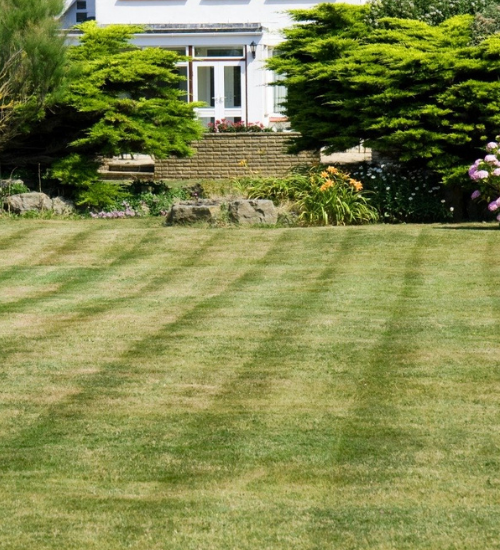
A brown lawn can be frustrating, especially when the rest of your yard looks healthy. You may be wondering, why is my grass turning brown when you water it regularly and try to keep up with mowing?
Brown grass does not always mean the lawn is dead. In many cases, the grass is stressed because of heat, drought, compacted soil, poor mowing habits, insects, disease, or too much water. The right solution depends on what is causing the problem.
Before adding more fertilizer or watering every day, take a close look at the grass, soil, weather, and surrounding landscape. Finding the cause first can save time, money, and unnecessary lawn treatments.
Why Does Grass Turn Brown?
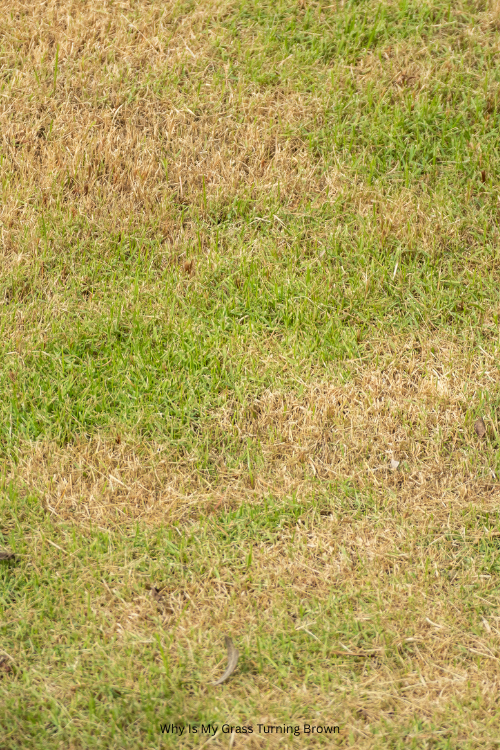
Grass turns brown when it cannot absorb enough water and nutrients to stay healthy. This can happen because the soil is too dry, the roots are damaged, the grass is being cut too short, or the lawn is affected by pests or disease.
Sometimes brown grass is part of the natural growth cycle. Cool-season grasses may turn brown during hot summer weather, while warm-season grasses can become dormant during cold winter temperatures.
The following table summarizes the most common causes.
| Cause | Common Signs | Best First Step |
|---|---|---|
| Drought stress | Dry, curled, brittle blades | Water deeply and less often |
| Mowing too short | Brown tips and thin patches | Raise the mower blade |
| Overwatering | Soft soil, yellow or brown grass | Improve drainage and reduce watering |
| Soil compaction | Water runs off or puddles | Aerate the lawn |
| Lawn disease | Circular patches or unusual spots | Improve airflow and avoid overwatering |
| Insects | Grass lifts easily or roots look damaged | Check for grubs and lawn pests |
| Pet urine | Small brown patches with green edges | Water the area and repair the soil |
| Dormancy | Even brown color during extreme weather | Wait for suitable growing conditions |
1. Drought and Hot Weather
Drought is one of the most common reasons grass turns brown. During long periods without rain, the soil dries out and grass roots cannot access enough moisture.
Grass may begin to:
- Curl or fold at the edges
- Lose its green color
- Feel dry and brittle
- Leave footprints after you walk across it
- Become thin in sunny areas
Many lawns naturally go dormant during severe heat or drought. Dormant grass may look brown but can recover when cooler temperatures and regular rainfall return.
How to fix drought-stressed grass
Water the lawn deeply rather than giving it a light sprinkle every day. Deep watering encourages roots to grow farther into the soil.
A general guideline is to provide about one inch of water per week, including rainfall, but the exact amount depends on your grass type, soil, climate, and local watering restrictions.
Water early in the morning when evaporation is lower. Place a small container or rain gauge on the lawn to measure how much water your sprinkler is applying.
2. Mowing the Grass Too Short
Cutting grass too short can weaken the root system and expose the soil to heat. This is sometimes called scalping. Short grass may appear neat immediately after mowing, but it can turn brown quickly during hot or dry weather.
Never remove more than one-third of the grass blade during a single mowing session. If the lawn has become very tall, gradually reduce the height over several mowings.
Recommended mowing approach
- Keep mower blades sharp
- Avoid mowing during extreme heat
- Raise the mowing height during summer
- Leave grass clippings on the lawn when possible
- Mow when the grass is dry
- Change mowing directions regularly
Grass clippings can return nutrients to the soil as they break down. They do not cause thatch when the lawn is mowed regularly and the clippings are short.
3. Poor Soil and Compaction
Compacted soil prevents water, air, and nutrients from reaching grass roots. This is common in areas with heavy foot traffic, clay soil, construction activity, or frequent use by children and pets.
Signs of compacted soil include:
- Water pooling on the surface
- Water running off instead of soaking in
- Thin grass
- Hard soil that is difficult to dig
- Bare paths through the lawn
How to improve compacted soil
Test the soil when it is slightly moist. Push a screwdriver or garden fork into the ground. If it is difficult to penetrate more than a few inches, the soil may be compacted.
Core aeration removes small plugs of soil and creates channels for water and air. For a small lawn, a manual aerator may be enough. Larger lawns may benefit from renting a core aerator.
After aerating, spread a thin layer of compost over the lawn. This can help improve soil structure over time.
4. Overwatering and Poor Drainage
Too much water can damage grass just as quickly as too little water. When the soil stays wet for long periods, grass roots may not receive enough oxygen. Constant moisture can also encourage fungal diseases.
Brown grass caused by overwatering may appear alongside:
- Yellowing blades
- Soft or muddy soil
- Mushy roots
- Standing water
- A musty smell
- Algae or moss
How to fix an overly wet lawn
First, reduce watering and check whether the lawn has enough time to dry between waterings. Inspect sprinkler heads for leaks or areas that receive too much water.
If water collects in the same location, improve the drainage. Possible solutions include:
- Adding compost to heavy soil
- Creating a shallow drainage channel
- Redirecting downspouts
- Installing a rain garden
- Removing low areas and adding soil
- Replacing a constantly wet section with moisture-tolerant plants
Avoid walking across soggy grass because foot traffic can make compaction worse.
5. Lawn Disease
Fungal diseases can cause brown patches, rings, streaks, or irregular areas. Disease is more likely when the weather is warm and humid, the lawn is overwatered, or grass remains wet overnight.
Common signs include:
- Small brown spots that grow larger
- Circular patches
- White, gray, orange, or reddish growth
- Thin grass surrounded by healthy grass
- Brown areas that do not improve after watering
How to reduce lawn disease
Improve airflow by trimming back overgrown shrubs and branches near the lawn. Water early in the day so grass blades have time to dry.
Avoid applying large amounts of nitrogen fertilizer during hot or humid weather. Excessive fertilizer can create soft, fast-growing grass that is more vulnerable to disease.
If the problem continues, take a sample or photograph to a local garden center or extension office for identification. Different diseases require different treatments, so using a random fungicide may not solve the problem.
6. Insects and Lawn Pests
Insects can damage grass roots, causing brown sections that become thin or easy to lift. White grubs, chinch bugs, billbugs, and other pests can affect lawns depending on the region.
To check for root-feeding insects, cut a small square of turf and gently pull it back. If the grass lifts easily and the roots are missing or damaged, inspect the soil for larvae or insects.
Birds, skunks, and other animals digging through the lawn can also indicate insect activity.
What to do about lawn pests
Identify the pest before applying treatment. Some insects are harmless, and unnecessary pesticide use can damage beneficial organisms.
Keep the lawn healthy through proper mowing, watering, and soil care. A strong lawn is better able to recover from minor insect damage.
For severe infestations, use a treatment labeled for the specific pest and follow the product instructions carefully.
7. Dog Urine and Pet Damage
Dog urine can create small brown spots surrounded by a ring of darker green grass. The concentrated nitrogen in urine may burn grass blades, while the extra nitrogen around the outside of the spot can encourage faster green growth.
How to repair pet urine spots
Remove the dead grass and loosen the soil. Rinse the area with water to dilute remaining salts. Add a small amount of compost or fresh topsoil, then reseed with a grass variety suited to your lawn.
Watering the area soon after your dog urinates may reduce damage, although this may not always be practical. Creating a designated pet area with mulch, gravel, or hardy ground cover can also reduce repeated lawn damage.
8. Fertilizer Problems
Both too much and too little fertilizer can cause lawn discoloration. Excess fertilizer may burn grass, especially when it is applied unevenly or during hot weather.
Fertilizer burn often appears as:
- Brown stripes
- Patchy areas matching the spreader pattern
- Grass that turns brown soon after fertilizing
- Dry-looking blades despite moist soil
If you suspect fertilizer burn, water the lawn deeply to help move excess nutrients below the root zone. Do not add more fertilizer until the grass recovers.
A soil test can help determine whether the lawn actually needs additional nutrients. Testing is more reliable than guessing based on grass color alone.
9. Thatch Buildup
Thatch is a layer of dead roots, stems, and organic material between the soil and grass blades. A thin layer is normal, but excessive thatch can prevent water and nutrients from reaching the roots.
To check for thatch, cut a small section of lawn and measure the brown layer above the soil. If it is more than about half an inch thick, the lawn may benefit from dethatching.
Dethatch during the active growing season for your grass type. Raking aggressively when the lawn is dormant or stressed can cause additional damage.
How to Tell If Brown Grass Is Dead
Brown grass is not automatically dead. Perform a simple tug test by pulling gently on a few blades.
- If the blades remain firmly rooted, the grass may be dormant or stressed.
- If the blades pull out easily, the roots may be damaged or dead.
- If the base of the plant is still flexible and green, recovery may be possible.
- If the soil is dry and the entire plant is brittle, reseeding may be necessary.
Give stressed grass time to recover after correcting the cause. Avoid immediately digging up every brown patch unless you have confirmed that the roots are dead.
How to Prevent Brown Grass
Healthy lawn care throughout the year can reduce the chance of brown patches.
Follow these basic practices:
- Water deeply and infrequently.
- Mow at the correct height for your grass type.
- Keep mower blades sharp.
- Aerate compacted soil.
- Test the soil before applying fertilizer.
- Improve drainage in wet areas.
- Remove excessive thatch.
- Avoid heavy foot traffic when the soil is wet.
- Watch for insects and disease early.
- Choose grass varieties suited to your climate.
It is also helpful to accept that some seasonal browning is normal. A lawn may not remain perfectly green during every season, especially during drought or extreme temperatures.
Frequently Asked Questions
Should I water brown grass every day?
Not usually. Daily shallow watering can create weak roots and encourage disease. Water deeply when the soil is dry, then allow the surface to dry slightly between watering sessions.
Will brown grass come back after rain?
Brown grass caused by drought or dormancy may recover after regular rainfall and cooler weather. Grass that has dead roots, severe disease, or insect damage may need reseeding.
Should I fertilize brown grass?
Do not fertilize until you know why the grass is brown. Fertilizer will not fix drought, poor drainage, disease, or insect problems and may make some conditions worse.
Is brown grass always a sign of poor lawn care?
No. Grass can turn brown because of drought, seasonal dormancy, extreme heat, or winter conditions even when it has been cared for properly.
Final Thoughts
If you have been asking, why is my grass turning brown, start by examining the soil, weather, brown lawns, watering schedule, and grass roots. Brown grass is usually a sign that the lawn is under stress, but the problem can often be corrected once the cause is identified.
Water deeply, avoid cutting the grass too short, improve compacted soil, and look closely for signs of pests or disease. With consistent care and a little patience, many brown lawns can become green and healthy again.
A perfect lawn is not created overnight. Small changes, made at the right time, can improve the appearance and strength of your grass throughout the growing season.
Last modified: September 28, 2026
