
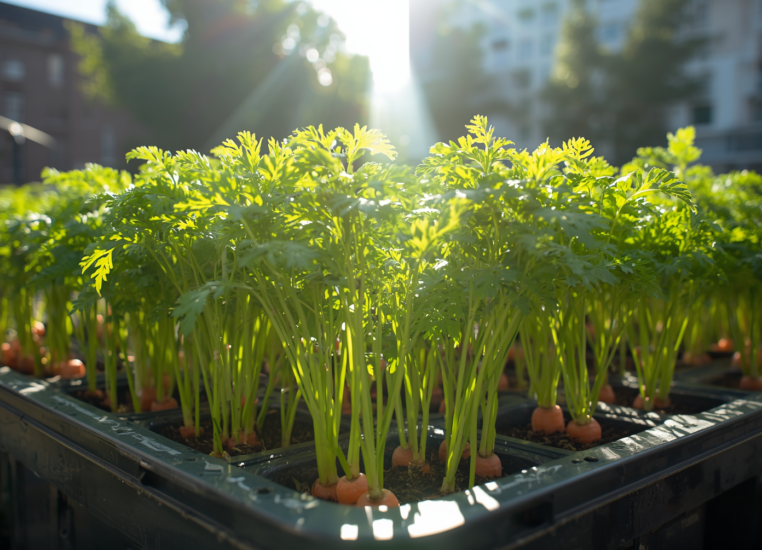
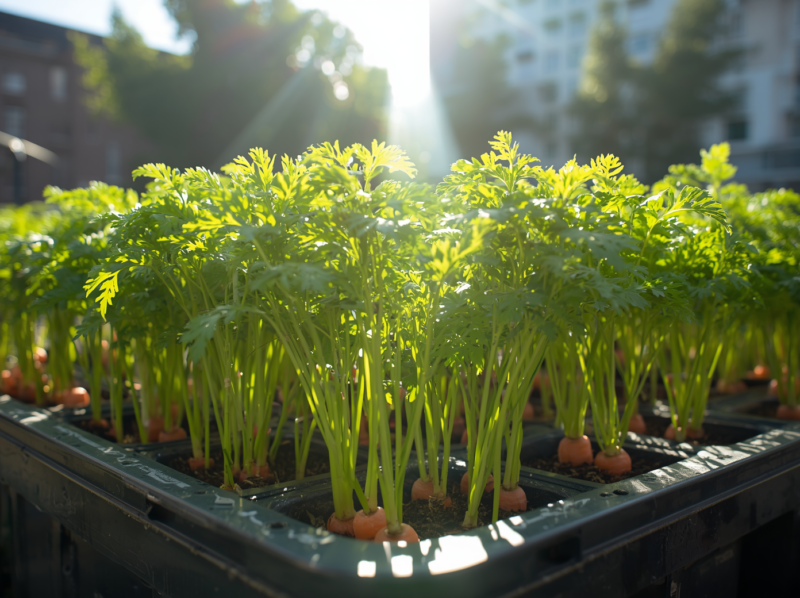
Carrots are well suited to container gardening because they do not need a large garden bed. A sunny patio, balcony, porch, or small yard can provide enough space for a productive crop as long as the container is deep, the soil is loose, and the plants receive consistent moisture.
Growing carrots in pots also gives gardeners better control over soil quality. Instead of fighting heavy clay, rocks, or compacted ground, you can fill a container with a light growing mix that allows roots to develop straight and evenly.
The process is simple, but carrots require patience. Seeds may take several days or even a few weeks to germinate, and young seedlings are easy to crowd. Careful sowing and thinning are more important than planting a large number of seeds.
Choose the Right Carrot Variety
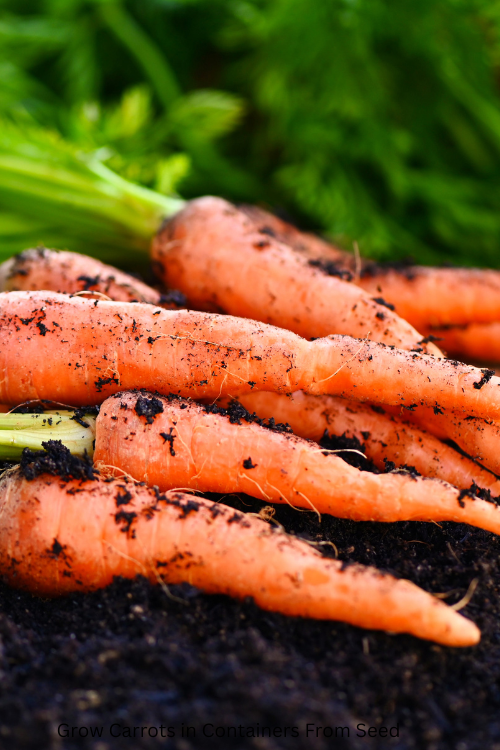
Not all carrots are the same size. Long varieties need deep soil, while short and rounded types are better for containers.
Good choices for pots include:
- Chantenay carrots
- Danvers carrots
- Nantes carrots
- Paris Market carrots
- Short or mini carrot varieties
- Round-rooted varieties
Read the seed packet before choosing a container. A variety that produces 8-inch roots needs considerably more growing depth than one that matures at 3 or 4 inches.
If your container is shallow, select a short-rooted carrot rather than trying to grow a long variety in insufficient soil.
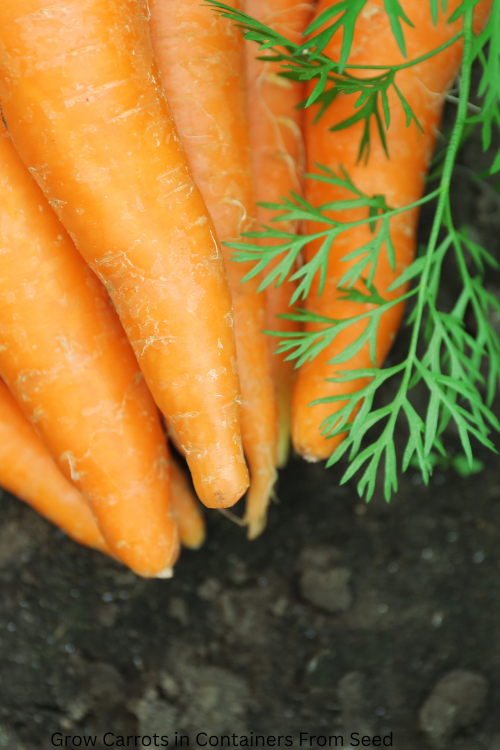
Grow Carrots in Containers From Seed
Select a Deep Container
The container should be deeper than the expected mature root length. A depth of at least 10 to 12 inches works for many shorter carrot varieties. Long carrots may need 14 inches or more.
Suitable containers include:
- Large nursery pots
- Five-gallon food-safe buckets
- Window boxes
- Fabric grow bags
- Wooden planters
- Half barrels
- Deep storage tubs with drainage holes
The width of the container determines how many carrots you can grow, while depth determines whether the roots have enough room to develop.
Every container must have drainage holes. Without drainage, water collects around the roots and may cause rot, poor growth, or misshapen carrots.
Use the Correct Growing Medium
Garden soil is often too dense for container carrots. It may compact after watering and prevent roots from expanding properly.
Use a loose, well-drained container mix made from materials such as:
- Quality potting mix
- Mature compost
- Coconut coir
- Fine bark
- Perlite or another drainage material
Avoid adding large pieces of wood, stones, or fresh manure. Obstacles in the soil can cause carrots to fork or grow around them.
A simple mix can contain approximately two parts potting mix, one part mature compost, and one part coconut coir or perlite. The final medium should hold moisture without becoming muddy.
Carrots do not need heavily fertilized soil. Too much nitrogen may produce abundant foliage with smaller roots.
Find a Sunny Location
Carrots grow best with at least six hours of direct sunlight each day. A location with morning and afternoon sun is ideal.
Containers can be placed on:
- A south-facing patio
- A sunny balcony
- A raised deck
- A rooftop garden
- A bright windowsill outdoors
- A small backyard growing area
If the container receives only partial sun, carrots may still grow, but roots may develop more slowly and remain smaller.
Place the pot where it is easy to water. Moving a large container after it is filled with wet soil can be difficult.
Sow Carrot Seeds Correctly
Carrot seeds are small, so sowing them too thickly is a common problem. Sprinkle the seeds thinly over the surface, then cover them with a light layer of growing mix.
Most carrot seeds should be planted approximately ¼ to ½ inch deep, although the exact depth depends on the variety and conditions. Always check the instructions on the seed packet.
After sowing:
- Smooth the soil surface.
- Scatter seeds as evenly as possible.
- Cover them lightly.
- Press the surface gently.
- Water with a fine spray.
- Keep the soil consistently moist.
Avoid using a strong stream of water, which can wash seeds into piles or expose them on the soil surface.
Keep the Soil Moist During Germination
Carrot seeds need steady moisture to germinate. If the surface dries out repeatedly, germination may be uneven.
Check the container every day during warm or windy weather. Water gently whenever the top layer begins to dry.
A thin layer of vermiculite, fine compost, or lightweight fabric can help reduce moisture loss. Do not use a thick mulch that makes it difficult to see or monitor the seedlings.
Germination time depends on temperature, seed freshness, and moisture. Some seeds emerge quickly, while others take longer. Avoid digging into the soil to check for growth because this can disturb developing roots.
Thin the Seedlings
Thinning is one of the most important steps in growing carrots in containers. If seedlings remain crowded, the roots compete for space and may stay thin, twisted, or undersized.
When seedlings are about 2 inches tall, thin them gradually. Aim for approximately 2 inches between mature carrots, or follow the spacing listed on the seed packet.
Cut unwanted seedlings at soil level with small scissors rather than pulling them. Pulling can disturb the roots of nearby plants.
If you prefer to avoid thinning, use pelleted seed or seed tape. These products are easier to space but may cost more than standard loose seed.
Water Consistently
Container soil dries faster than garden soil, particularly during sunny or windy weather. Carrots need consistent moisture while roots are developing.
Water deeply enough to moisten the full container, then allow excess water to drain from the bottom. Do not let the pot sit in a saucer filled with water.
Irregular watering can lead to:
- Small roots
- Cracked carrots
- Tough texture
- Bitter flavor
- Uneven growth
Check moisture by pressing a finger into the top inch of soil. If it feels dry, water the container. During hot weather, the pot may need water every day.
Feed Lightly
Carrots are not heavy feeders. If the container mix already contains compost, additional fertilizer may not be necessary during the early stages.
If growth is weak or foliage is pale, use a diluted, balanced fertilizer according to the label directions. Avoid high-nitrogen fertilizers because they encourage leaf growth instead of root development.
Do not apply fertilizer to dry soil. Water first, then feed to reduce the chance of root injury.
Protect Carrots From Heat
Carrots prefer cool to moderate growing conditions. In hot weather, containers can become warmer than the surrounding ground.
To reduce heat stress:
- Place pots where they receive morning sun and afternoon protection.
- Use a light-colored container.
- Group pots together.
- Add a thin layer of mulch.
- Water in the morning.
- Protect young seedlings from strong afternoon heat.
Do not move carrots into deep shade. They still need sufficient light for healthy growth.
Watch for Pests and Problems
Container carrots usually have fewer pest issues than in-ground crops, but problems can still occur.
Inspect the foliage for:
- Chewed leaves
- Yellowing
- Wilting
- Sticky residue
- Small insects
- White fungal growth
Good airflow and proper watering help reduce disease. Remove severely damaged foliage and avoid wetting the leaves unnecessarily.
If roots are forked or twisted, the cause is often compacted soil, stones, fresh manure, or overcrowding. Improve the growing medium before planting the next crop.
Know When to Harvest
Carrots can be harvested when they reach the size listed on the seed packet. Some gardeners prefer small, tender roots, while others wait for larger carrots.
To check the size, gently brush soil away from the top of one root. If it looks mature, loosen the soil around it and pull carefully.
Water the container before harvesting if the soil is dry. Moist soil makes it easier to remove carrots without breaking the roots.
Harvesting a few carrots at a time allows the remaining roots to continue growing. However, do not leave mature carrots in overheated containers for too long.
How to Store Freshly Harvested Carrots
After harvesting, remove the leafy tops because they draw moisture from the roots. Brush away loose soil, but avoid washing carrots until you are ready to use them.
Store carrots in a cool refrigerator drawer in a breathable bag or container. Properly stored carrots can remain crisp for several weeks.
Very small carrots are best eaten soon after harvest because they lose moisture more quickly.
Common Mistakes to Avoid
Using a shallow pot
Short varieties may grow in smaller containers, but long carrots need sufficient depth. A shallow pot restricts root growth.
Planting seeds too deeply
Carrot seeds are tiny and may struggle to emerge if buried too far below the surface.
Letting the soil dry out
Uneven moisture is one of the most common reasons for poor germination and cracked roots.
Skipping thinning
Crowded seedlings compete for water and nutrients, producing small or misshapen carrots.
Adding fresh manure
Fresh manure can contain excess nutrients and may encourage poor root formation. Use mature compost instead.
Overfertilizing
Too much nitrogen often produces large tops but disappointing roots.
Final Thoughts
Growing carrots in containers from seed is an excellent option for small spaces and beginner gardeners. Choose a deep pot, use loose soil, sow seeds shallowly, and keep the surface consistently moist during germination.
The most important maintenance step is thinning. Giving each carrot enough room to grow will produce straighter, healthier roots. With a sunny location and regular care, even a balcony or patio can provide a useful harvest of fresh carrots.
Editorial note: Container depth, seed spacing, and harvest timing vary by carrot variety. Extension guidance recommends following the seed packet and using loose, well-drained container mix with proper drainage. Growing Vegetables in Containers | Container Gardens | Illinois …
Last modified: October 5, 2026
