


A mattress collects dust, sweat, skin oils, hair, and odors over time, even when it looks clean. Regular mattress care can help your bedroom feel fresher and protect the condition of your bed without expensive equipment or professional cleaning.
The process is simple: remove the bedding, vacuum the mattress, treat stains carefully, deodorize the surface, and let it dry completely. The most important rule is to use as little moisture as possible. A mattress that stays damp can develop a musty smell and may be damaged, depending on its materials.
The star ratings in this guide are editorial ratings based on ease, cost, and usefulness for everyday household cleaning. They are not medical or product-performance ratings.
Before You Start: Check the Care Label
Read the manufacturer’s care instructions before using water, detergent, baking soda, or any other cleaning product. Memory foam and latex mattresses often need low-moisture cleaning, while other mattresses may have different recommendations.
Keep these safety rules in mind:
- Never soak or saturate a mattress.
- Test any cleaning solution on a hidden area first.
- Do not mix cleaning products.
- Keep the room well ventilated.
- Do not replace the bedding until the mattress is completely dry.
If the mattress has visible mold, a strong persistent odor, extensive bodily-fluid damage, or signs of pest infestation, ordinary surface cleaning may not be enough. Follow the manufacturer’s advice or arrange suitable professional treatment.
Step 1: Strip and Wash the Bedding
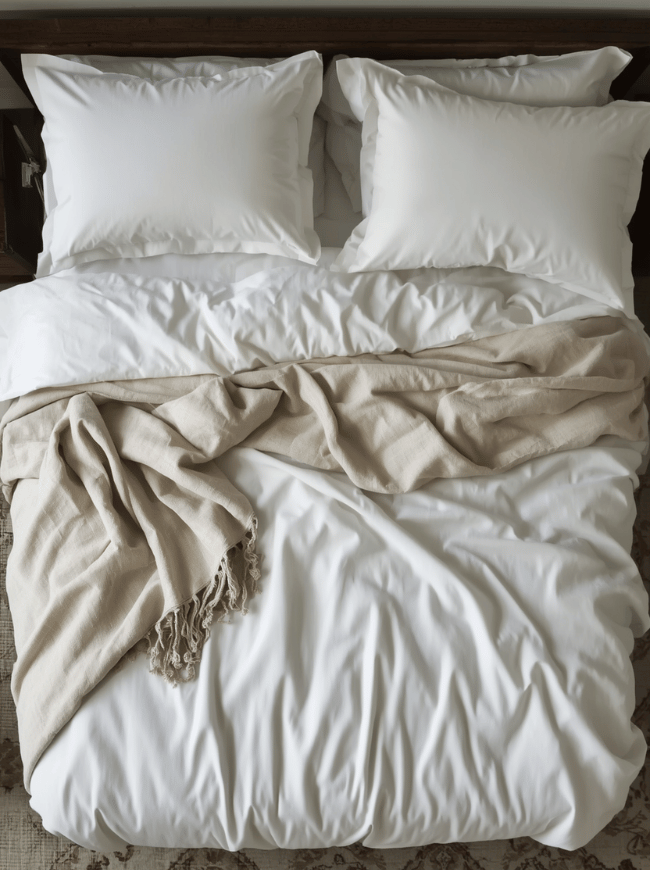
Remove the sheets, blankets, pillow covers, and mattress protector. Wash each item according to its care label, using the warmest safe setting for the fabric.
The mattress protector deserves regular attention because it catches much of the sweat, dust, and spilled liquid that would otherwise reach the mattress. If you do not already use one, choose a washable protector that fits securely and allows air to circulate.
Step 2: Vacuum the Entire Mattress
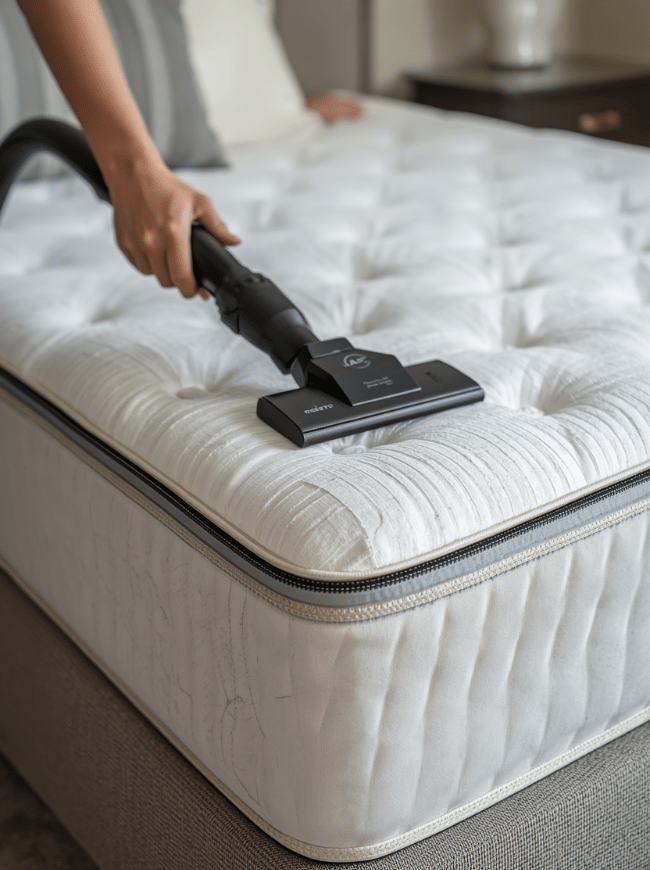
Attach the upholstery tool to your vacuum and move slowly over the top of the mattress. Pay close attention to seams, piping, corners, and the area around the edges, where dust and hair tend to collect.
Vacuum the sides as well. Clean underneath the mattress only if it can be lifted safely, and turn or rotate it only when the manufacturer allows it. Some mattresses are designed to stay in one position.
Method rating: Vacuuming – ★★★★★ 5/5
Best for: dust, crumbs, hair, and loose debris
Cost: low if you already own a vacuum
Why it earns five stars: vacuuming is quick, low-risk, and useful for nearly every mattress type when performed gently.
Step 3: Treat Stains Carefully
Fresh stains are easier to treat than old ones. Blot spills with a clean, dry cloth instead of rubbing them. Rubbing can spread the stain and push moisture deeper into the mattress.
For a small sweat or yellow stain, use a cloth that is only slightly damp with a small amount of mild detergent diluted in water, but only if the care instructions allow it. Dab the area gently, then use a separate cloth lightly dampened with clean water to remove residue. Do not pour the solution directly onto the mattress.
For urine stains, blot as much liquid as possible immediately, then use a suitable, lightly applied cleaning solution approved for the mattress material. Ventilate the room well while the area dries.
For blood stains, use cold water and blot carefully. Warm water can make protein-based stains more difficult to remove. For an unknown stain, always begin with the least-moist method and test it in an inconspicuous spot.
Method rating: Spot cleaning – ★★★★☆ 4/5
Best for: small, specific stains
Cost: low
Limitation: results vary according to the stain, mattress material, and how long the mark has been present.
Never combine bleach, ammonia, vinegar, hydrogen peroxide, or other cleaning products. Some combinations can create harmful fumes or damage the fabric.
Step 4: Deodorize With Baking Soda
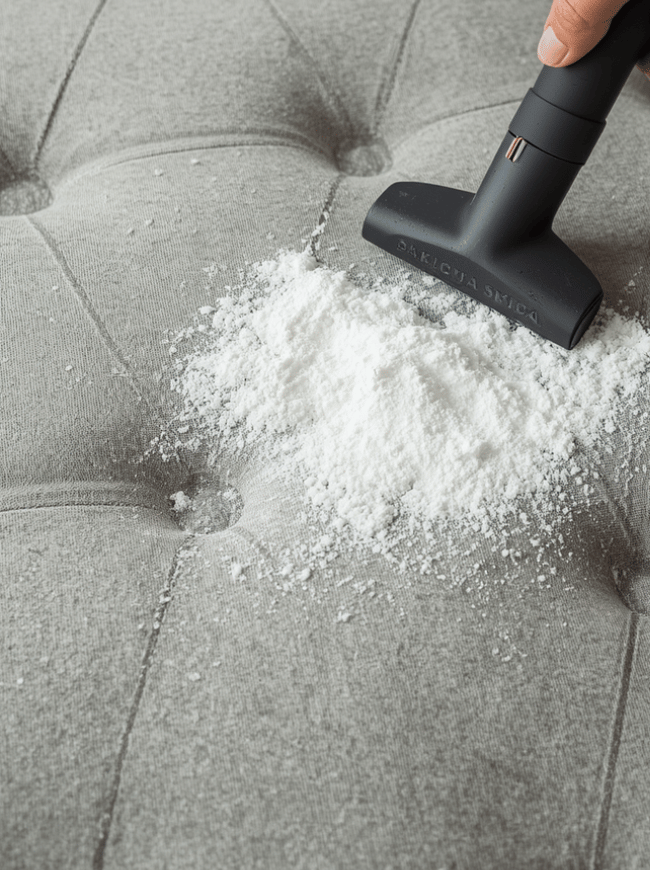
Once the mattress surface is dry, sprinkle a light, even layer of baking soda over it. Leave it for several hours so it can absorb some surface odors, then vacuum it thoroughly using the upholstery attachment.
Avoid applying a thick layer that is difficult to remove, and do not use baking soda as a substitute for treating stains or addressing mold. It can freshen the surface, but it will not solve every odor problem.
Method rating: Baking soda – ★★★★☆ 4/5
Best for: mild surface odors and routine freshening
Cost: low
Limitation: it will not remove deep stains, mold, or serious contamination.
Step 5: Air Out the Mattress Completely
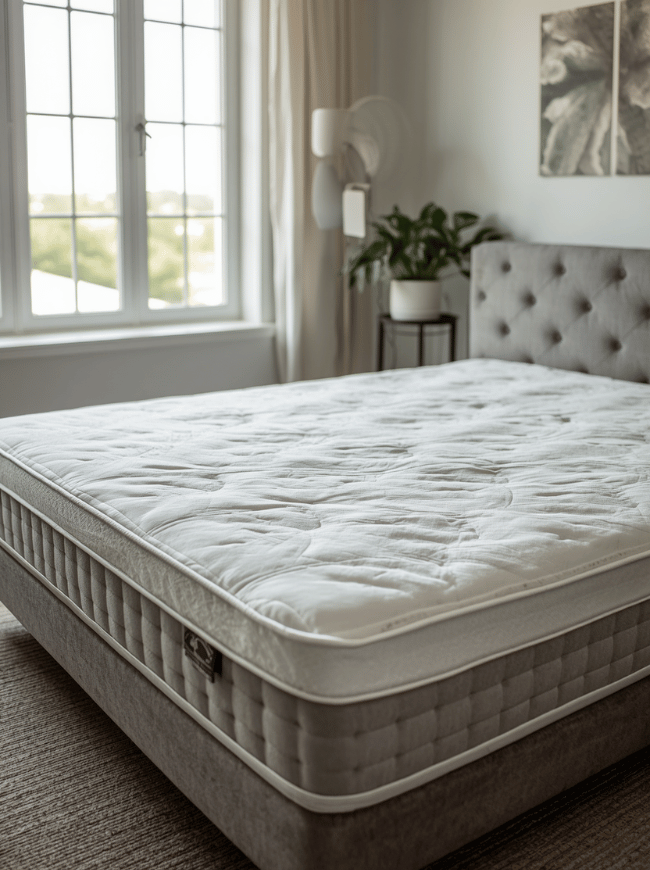
Drying is one of the most important parts of mattress cleaning. Open windows, turn on a fan, and allow plenty of time for the treated area to dry. If it is safe to do so, stand the mattress on its side briefly to improve airflow.
Do not put sheets, blankets, or a mattress protector back on while the mattress is damp. Check the seams and thicker areas carefully because they may take longer to dry than the surface.
How Often Should You Clean a Mattress?
Vacuum the mattress every few months or whenever you change seasonal bedding. Treat spills as soon as they happen, wash the mattress protector regularly, and deodorize the surface when it develops a mild stale smell.
Rotate the mattress only if the manufacturer recommends it. A washable, breathable mattress protector can reduce the amount of dirt and moisture that reaches the mattress and make future cleaning easier.
Common Mattress-Cleaning Mistakes
Avoid these common problems:
- Soaking the mattress with water
- Scrubbing stains aggressively
- Spraying perfume to hide odors
- Applying too many products at once
- Skipping the drying step
- Ignoring the care-label instructions
- Using a vacuum attachment that is too rough for the fabric
Excess moisture is the main issue to avoid. Gentle cleaning and thorough drying are safer than trying to remove every mark with a strong solution.
Final Thoughts
Learning how to clean a mattress does not require a complicated routine. Check the care label, remove and wash the bedding, vacuum every surface, treat stains with minimal moisture, use baking soda for mild odors, and let the mattress dry fully before making the bed.
Start with regular vacuuming and a clean mattress protector. These two habits reduce buildup and make deeper cleaning much easier. Save this guide for your next bedroom refresh, and share it with someone who wants a fresher mattress without buying a new one.
Last modified: September 17, 2026
