

A small front yard can still feel lush, polished, and seriously welcoming. I love the challenge, because a tight space pushes me to choose every plant, stone, and border with care, so nothing goes to waste.
Think clipped green edges, soft lavender spilling over brick, a neat gravel path, and a front step framed by pots that actually fit. These 15 smart ideas help me add color, height, and charm without crowding the walkway or making the whole yard feel cramped.
If your front yard feels bare, messy, or just blah, this list gives you a clear plan. I’m sharing simple ideas that look pretty, stay realistic on budget, and make a tiny space feel finished instead of forgotten 🙂
Small Front Yard Game Plan
A simple plan helps me fit beauty, flow, and function into every small front yard garden.
Small spaces punish random planting. I learned that the hard way after cramming too many flowers near my front walk and then stepping around them like I was in a yard obstacle course. A good plan fixes that, because it gives every inch a job.
My 15 front yard garden ideas at a glance
- Framed entry border for slim color along the walk
- Corner raised bed for height in one tucked spot
- Dwarf evergreen anchors for year-round structure
- Gravel ribbon path for texture and drainage
- Low hedge edge for a neat outline
- Window box flowers for color above eye level
- Tall planter pair for a balanced front step
- Climbing trellis panel for vertical charm
- Mini pollinator patch for bees and butterflies
- Rock and sedum strip for dry, sunny spots
- Stepping stone pocket bed for narrow entries
- Single specimen shrub for one strong focal point
- Layered porch pots for easy seasonal swaps
- Shade fern corner for cool, soft texture
- Edible herb edge for scent and daily use
I choose one main move before anything else, like a border bed or a raised corner bed. That one decision shapes the rest of the yard, therefore every later choice feels easier and less chaotic.
Measure Light and Walkways
I map sunlight, doors, and foot traffic first, so the garden looks good and still works in real life.
Pretty plants mean nothing if they block the path, scrape my legs, or fry in the wrong light. This step sounds boring, I know, yet it saves me from expensive mistakes. Also, it helps me match the right front yard garden ideas to the right spot.
I sketch the yard and mark morning sun, afternoon sun, shade, and any heavy walking zones. Then I match ideas to those zones. Sunny strip by the sidewalk? I like a rock and sedum strip there. Shady corner near the porch? A shade fern corner makes more sense. Narrow space by steps? A stepping stone pocket bed keeps movement easy.
Ideas I place using this method
- Dwarf evergreen anchors near the house for structure without crowding windows
- Window box flowers where I want color above ground level
- Tall planter pair by the entry for instant balance
- Climbing trellis panel on a blank wall or fence for height
- Mini pollinator patch in the sunniest open bed for the happiest blooms
Quick Cost Planning Table
A budget table helps me compare small front yard garden ideas before I spend money on the wrong mix.
Dreaming is fun. Paying for everything at once, less fun. I use a simple cost table because it shows which ideas give me the biggest visual lift for my budget, and it also reminds me to count upkeep, not just purchase price.
For a small front yard, I usually mix one anchor feature with a few lower-cost accents. That feels realistic, and it stops me from blowing the budget on fancy stone while the plants sit in plastic nursery pots for six months. Been there.
My quick comparison table
| Idea | Starter Cost | Material Notes | Upkeep Cost |
|---|---|---|---|
| Gravel ribbon path | $80–$250 | Pea gravel, edging, weed barrier | Low, with occasional top-up |
| Low hedge edge | $120–$350 | Dwarf boxwood or similar compact shrubs | Medium, with trimming |
| Single specimen shrub | $40–$150 | One standout hydrangea, maple, or dwarf conifer | Low to medium |
| Layered porch pots | $60–$220 | Planters, potting mix, seasonal plants | Medium, with seasonal swaps |
| Edible herb edge | $25–$90 | Thyme, chives, sage, compact edging plants | Low, plus easy harvesting |
Split costs into “build” and “care.”
I keep two numbers for each idea: what it takes to install and what it costs to maintain through the year. Because of that, I often choose one strong permanent feature, like gravel or a shrub, and then add cheaper seasonal color around it.
Idea 1: Framed Entry Border
A slim border along the walkway frames the entrance with color, texture, and structure without eating up precious width.
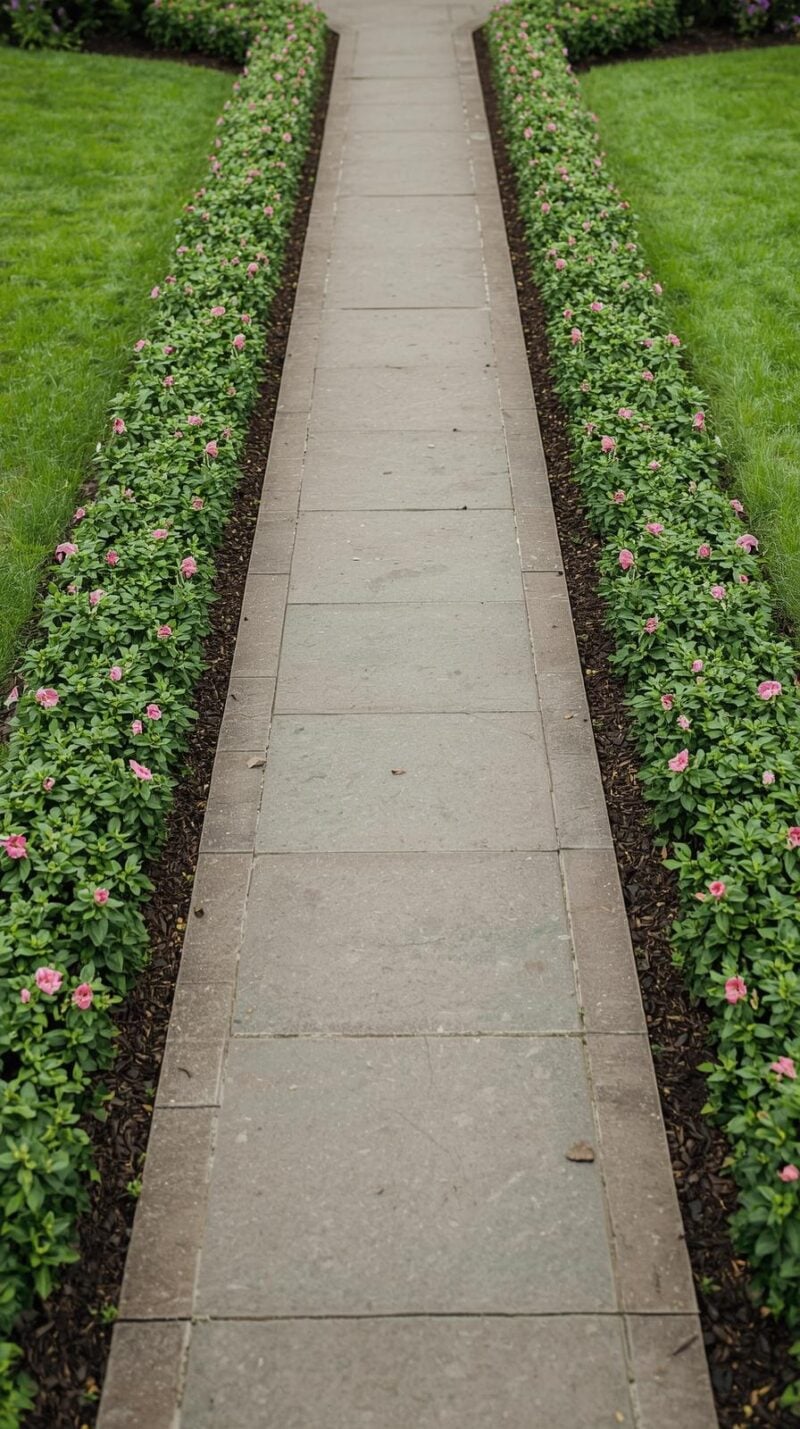
This is one of my favorite small front yard garden ideas because it gives instant polish. A narrow border can make the front walk feel designed instead of plain, and it still leaves enough room to move comfortably with groceries, kids, or that one giant delivery box nobody warned me about.
I like to build this border in layers. Closest to the edge, I use low edging plants or neat ground cover. Behind that, I add a middle layer of compact flowers or grasses. Then I finish with one or two repeating anchor plants, like dwarf shrubs, near the porch or gate. The whole thing feels tidy and full at the same time.
Why people love it
- Strong first impression
The front path becomes a feature, not just a strip of concrete. Even a basic walkway looks nicer with a planted frame. - Easy color control
I can keep the palette soft and calm or go bright with seasonal blooms. The border gives me flexibility without chaos. - Works in tiny spaces
A bed as narrow as 12 to 18 inches can still look layered. That makes it perfect for a small front yard.
When it’s a good idea
- ✓ Your walkway looks bare
This idea adds life to the exact spot people notice most when they approach the house. - ✓ You need structure without bulk
It gives shape and color, however it doesn’t fill the whole yard. - ✓ You want a beginner-friendly layout
A framed border feels manageable because it follows a clear line.
One smart tip
Repeat just three plant types.
I keep this border simple by repeating three plants down the length of the path, one edging plant, one flower, and one anchor. Repetition makes a small yard look calmer and more expensive, so I avoid the crowded “garden center jackpot” effect.
Idea 2: Corner Raised Bed
A raised bed tucked into one corner adds height, depth, and planting room while keeping the center of the yard open.
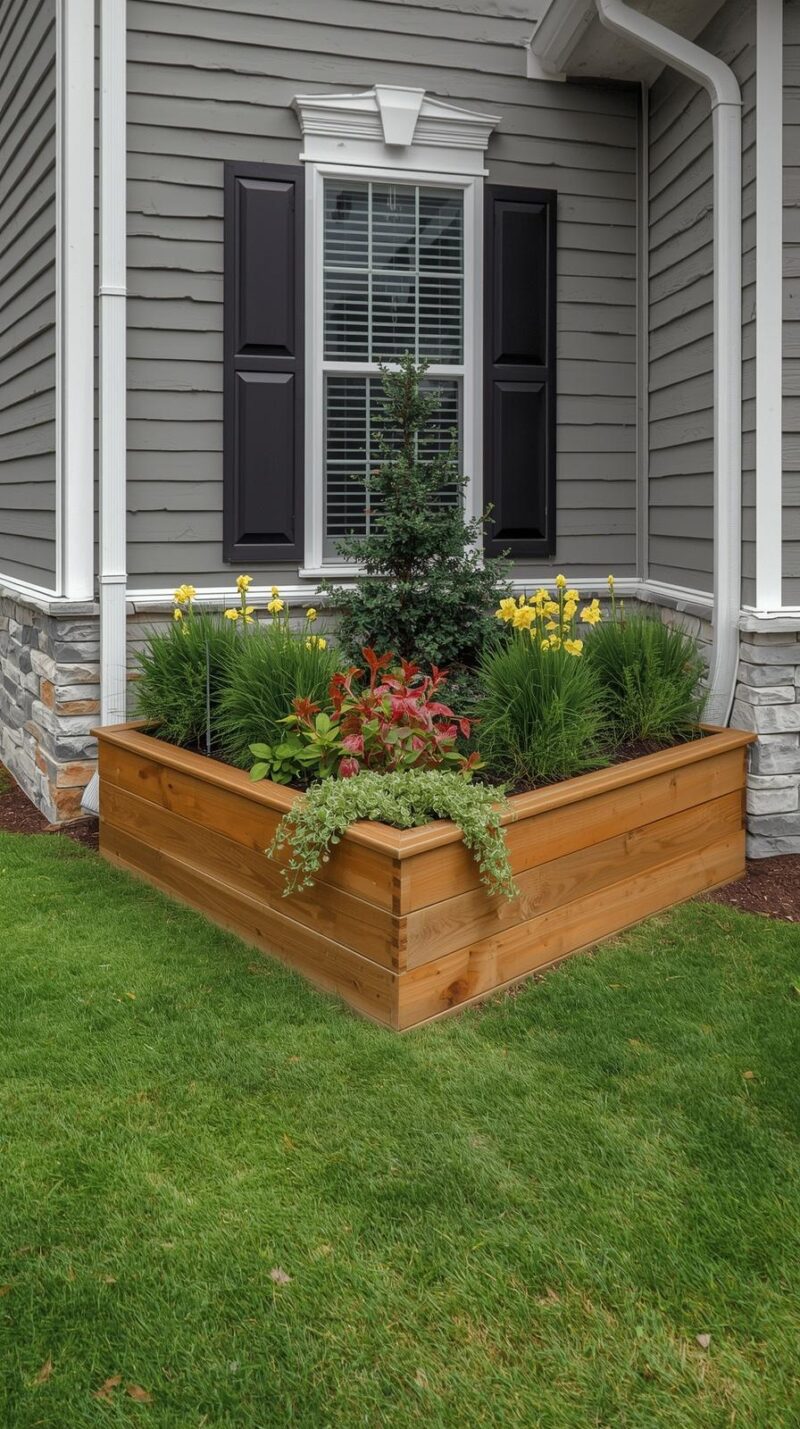
When a front yard feels flat, this is the move I try first. A corner raised bed creates a strong shape, gives me better soil control, and makes the whole yard look more layered. Because it sits off to one side, the space still feels open and easy to walk through.
I usually build mine in wood, stone, or block, depending on the house style and budget. Then I plant in a simple triangle pattern: tallest plants in the back, medium texture in the middle, and soft spillers at the front edge. That little rise changes the view from the street right away. Also, it helps plants stand out instead of disappearing into flat ground.
Why people love it
- Adds instant depth
The raised height makes a tiny yard feel more designed. My eye moves up and across, which makes the space seem larger. - Better planting control
I can fill the bed with fresh soil that drains well. That helps a lot in compacted builder-grade dirt, which honestly loves to fight back. - Keeps the layout open
One corner holds the visual weight, so the rest of the yard can stay simple and clean.
When it’s a good idea
- ✓ Your yard looks flat and empty
A raised corner adds shape without needing a huge footprint. - ✓ You have poor soil
This gives me a fresh planting zone fast, therefore I don’t need to fix the whole yard at once. - ✓ You want a focal point
The corner bed draws attention and gives the garden a clear anchor.
Idea 3: Vertical Trellis Wall
A vertical trellis wall lets me grow up instead of out, which saves precious ground space in a small front yard garden.
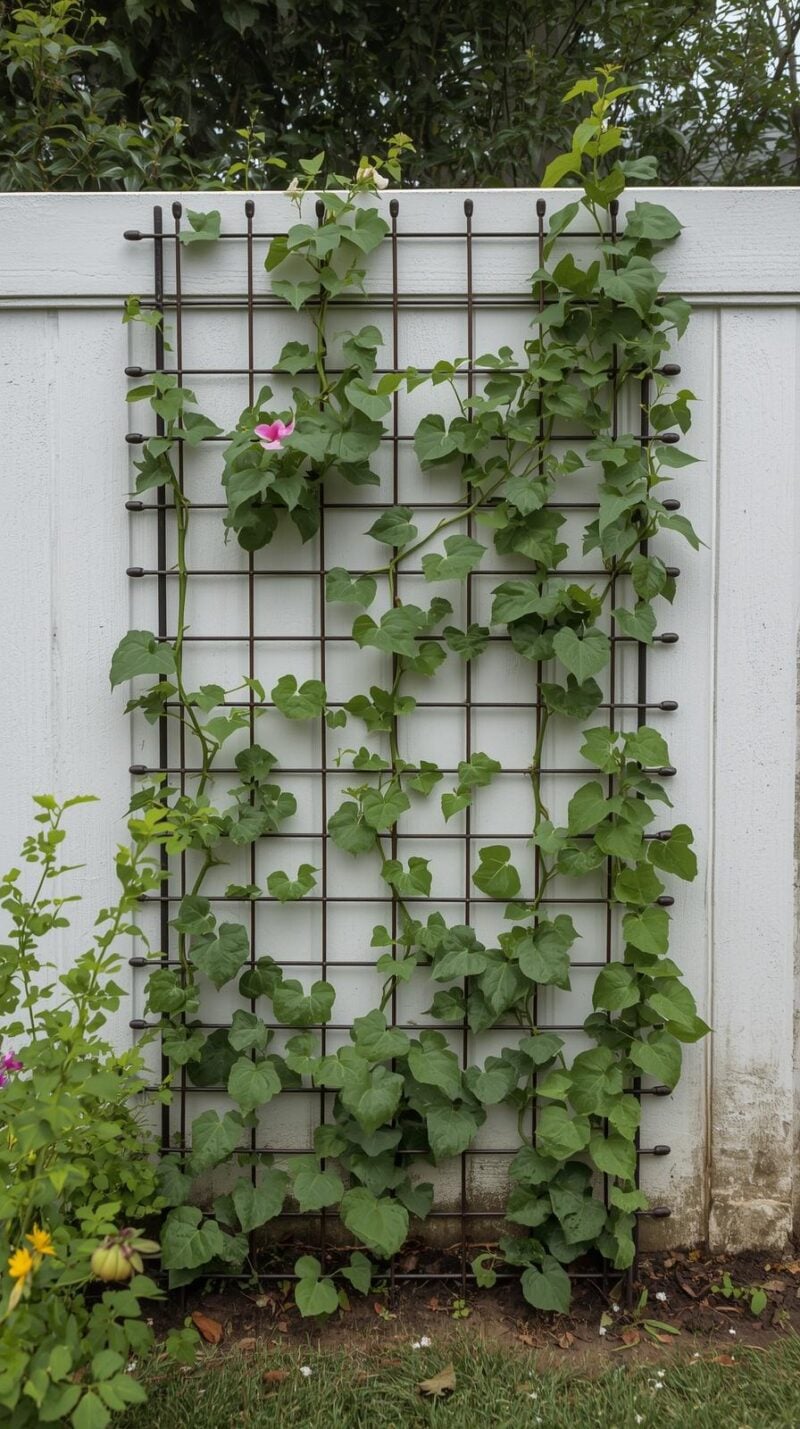
When a front yard feels tight, I stop trying to squeeze everything into the soil at my feet. A trellis gives vines and climbers a place to rise, so the yard feels layered instead of crowded. It also draws my eye upward, and that simple shift makes a small space feel bigger.
I like this idea beside a porch, along a fence, or near a blank wall that looks a little sad. Clematis, star jasmine, mandevilla, or even climbing roses can all work, depending on my climate. The structure adds shape even before the plant fills in, which helps if patience is not my strongest trait :/
Why people love it
- More greenery, less sprawl
I get a fuller look without blocking walkways or crowding the lawn. That matters a lot in a tiny front yard. - Instant height
Vertical lines make the entry look taller and more styled. A flat space suddenly has drama, in a good way. - Softens hard surfaces
A trellis can break up brick, siding, or fencing. Because of that, the whole front yard feels warmer and less boxy.
When it’s a good idea
- ✓ You have more wall than soil
I use this when the yard has narrow beds but plenty of vertical space. - ✓ Your path feels cramped
Climbers keep plants off the ground, so people can walk in without brushing through leaves. - ✓ You want privacy near the porch
A planted trellis can screen a sitting spot without building a heavy barrier.
Pick a plant that fits the scale.
I always match the vine to the wall size, because an aggressive climber can swallow a tiny house front fast. If I want easy control, I choose a lighter vine and a slim trellis panel, then I tie new growth loosely every week so it spreads where I want it.
Idea 4: Potted Porch Cluster
A potted porch cluster groups containers near the entry, so I can add color and texture without digging up the whole front yard.
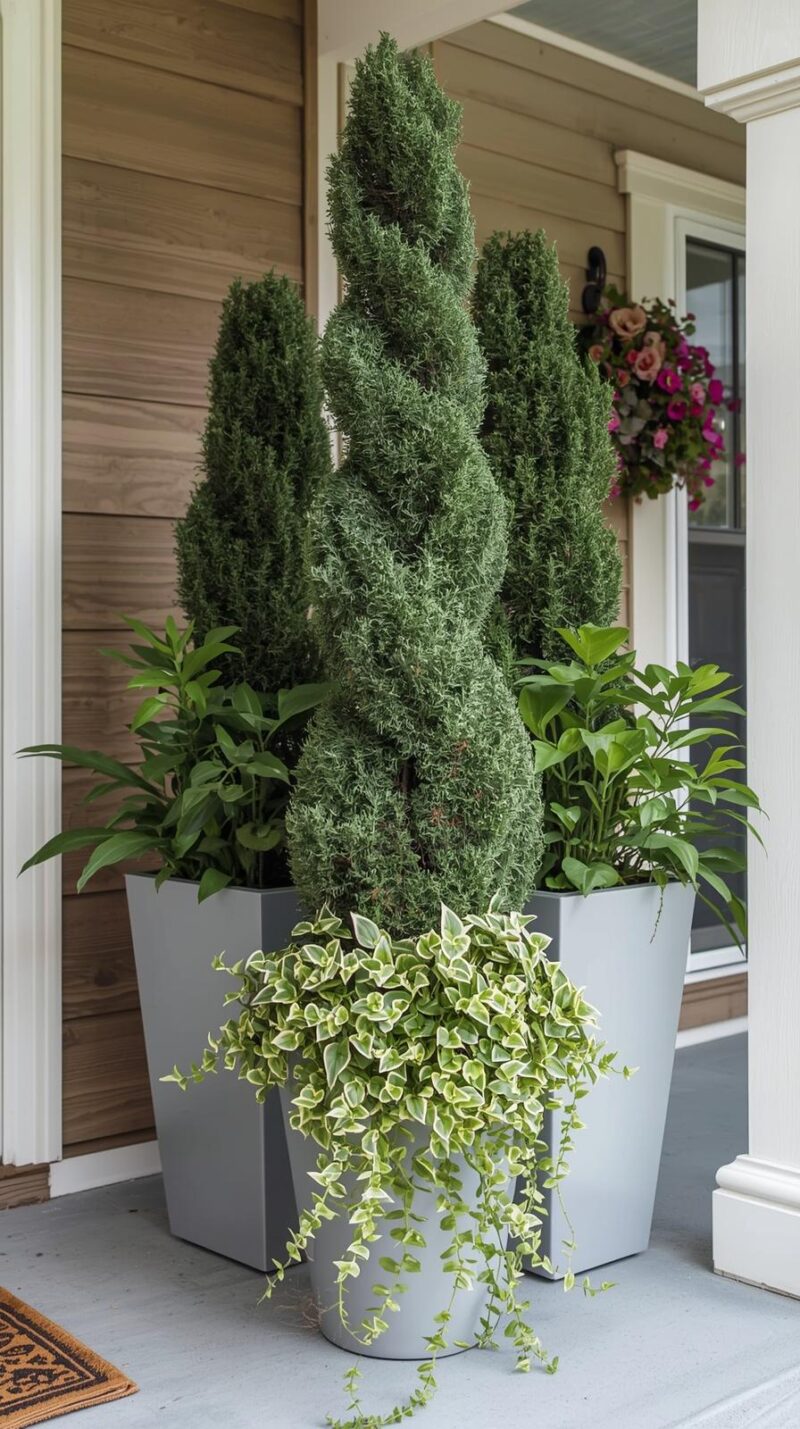
This idea works when I want a styled look with a lot of freedom. I gather pots in two or three sizes, repeat a color palette, and set them close to the porch steps or door. The yard looks more intentional right away, and I can swap plants with the seasons because containers make that easy.
Honestly, this is one of my favorite small front yard garden ideas because it bends with real life. If a plant hates my sun, I move it. If I want mums in fall and petunias in spring, done. No shovel drama.
Why people love it
- Easy seasonal updates
I can trade out flowers and keep the entry fresh through spring, summer, and fall. The whole space changes without a big budget. - Works in renters’ spaces
Containers give me garden style even if I can’t change permanent beds. I just place, water, and enjoy. - Adds a curated feel
A grouped set of pots looks thoughtful and layered. Even a tiny porch starts to feel styled instead of random.
When it’s a good idea
- ✓ Your soil is poor
I skip fighting bad dirt and use quality potting mix instead. - ✓ You like changing colors often
This setup fits me when I get bored and want a new look every few months. - ✓ Your front yard is mostly hardscape
Pots soften concrete, brick, and steps without taking up much room.
Use the thriller, filler, spiller mix.
I build each cluster with one tall plant, one rounded plant, and one trailing plant. That mix gives the pots shape from top to bottom, and it keeps the arrangement from looking flat. For a clean look, I repeat the same planter color even if the plants change.
Idea 5: Window Box Line
A window box line adds planting space above ground, so I can bring flowers closer to the house without crowding the yard below.
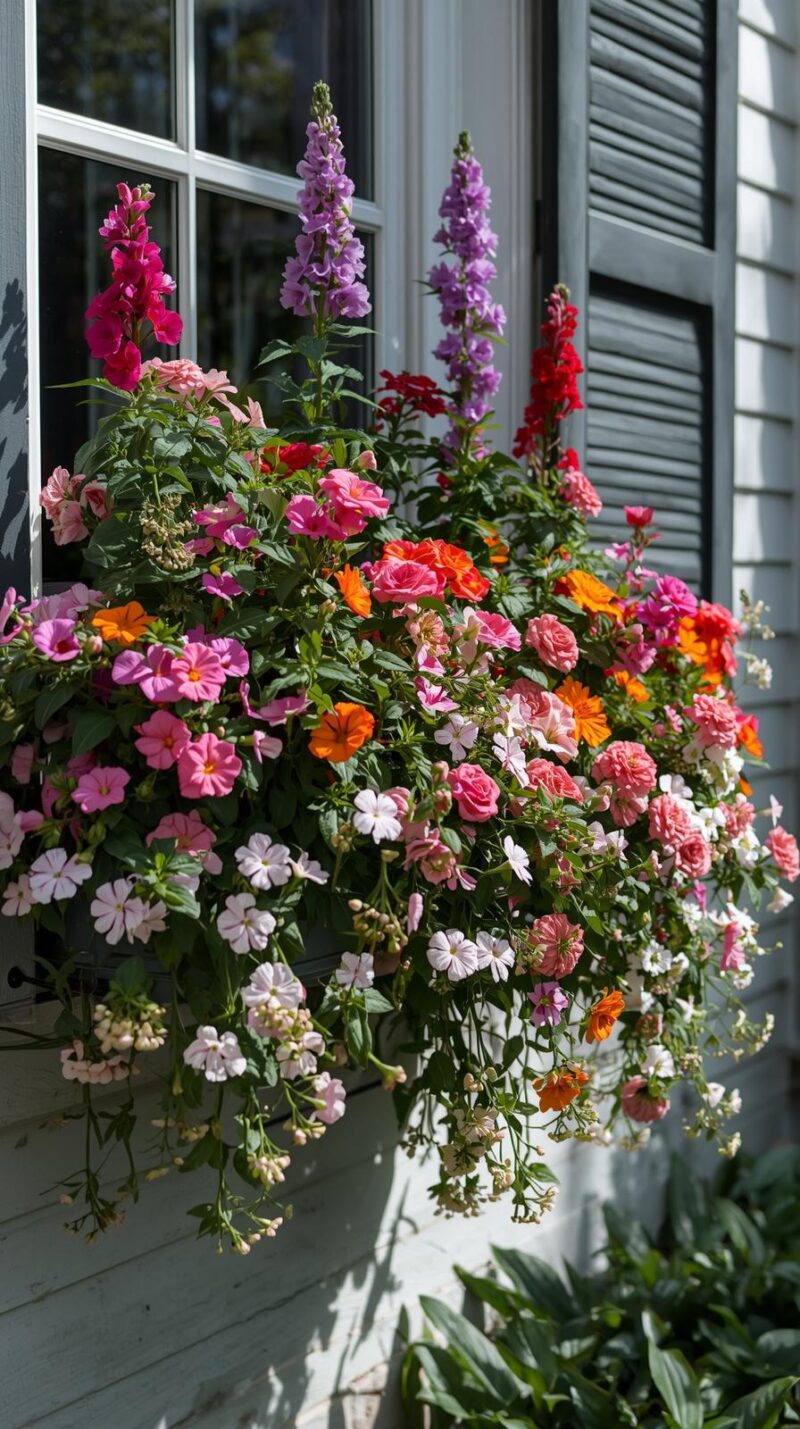
Some front yards just don’t have enough open soil for all the pretty ideas in my head. Window boxes fix that fast. They pull color upward, frame the windows, and keep the ground area cleaner and more open, which matters a lot in a small space.
I like how this idea makes the house itself part of the garden. That’s the trick. Instead of asking the tiny yard to do all the work, I let the windows help. A simple row of white, black, or wood boxes can make an ordinary front elevation look much more charming.
Why people love it
- Big charm in a slim space
Window boxes give me flowers without using valuable bed space. They add personality fast. - Keeps the yard open
I still get plants, however the walkway and lawn stay less crowded. The front yard breathes better. - Frames the house beautifully
Boxes under windows create symmetry and draw attention to the best parts of the home.
When it’s a good idea
- ✓ You have sunny front windows
Flowers and herbs often thrive there, so I get a bright display where people actually see it. - ✓ You want curb appeal fast
Window boxes can change the whole front view in a single afternoon. - ✓ Your ground plantings already feel full
This gives me extra planting room without stuffing more into the beds.
Add drip holes and light soil.
I never skip drainage because soggy boxes turn pretty flowers into a sad little mess. I also use lightweight potting mix, so the box drains better and puts less strain on the brackets. If I want a fuller look, I plant a mix of upright blooms, soft fillers, and one trailing vine at the edge.
Idea 6: Dwarf Shrub Rhythm
Dwarf shrub rhythm means I repeat compact shrubs in a pattern, so the front yard feels calm, neat, and easy on the eyes.
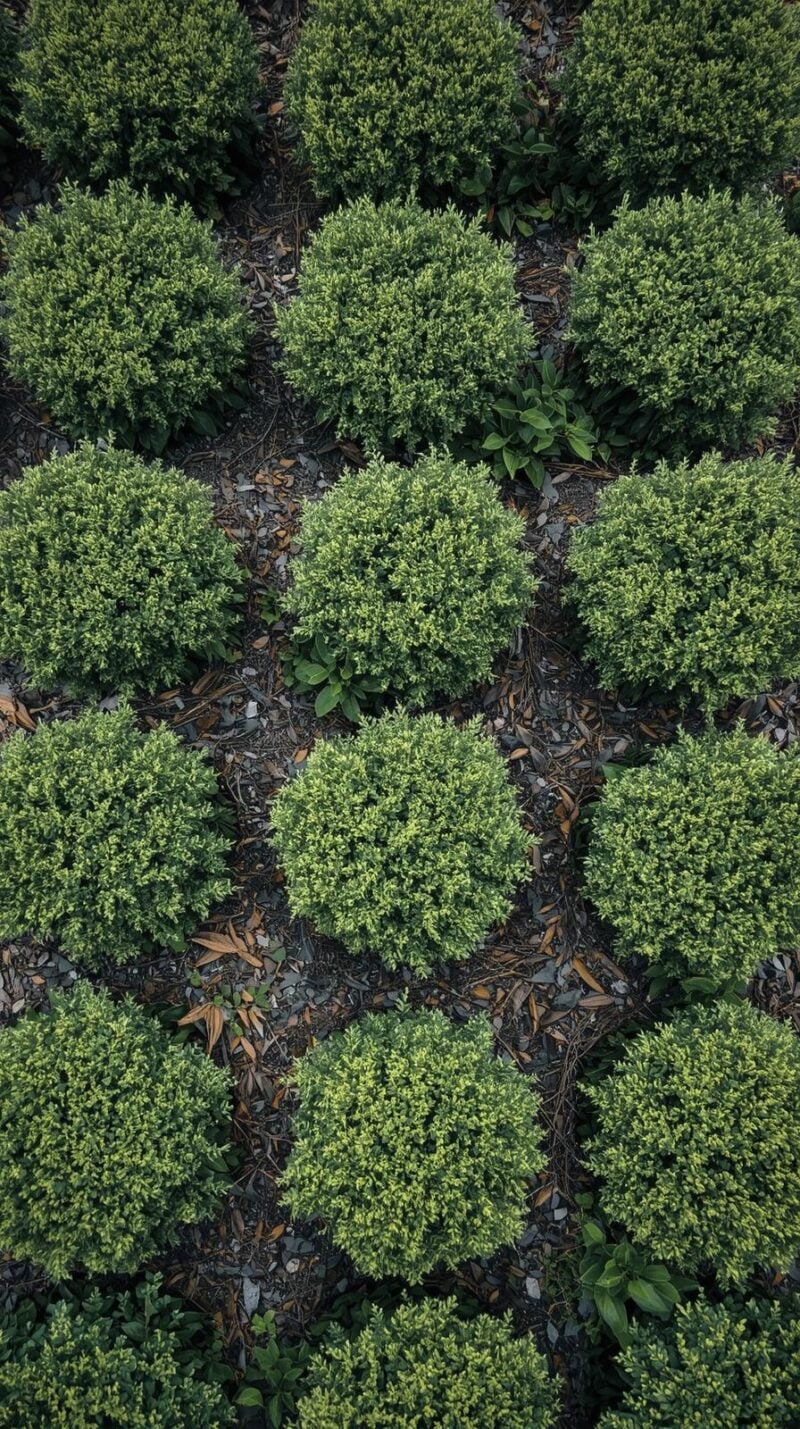
A small front yard can look messy fast if every plant tries to be the star. Repeating the same shrub solves that. I use two, three, or five of one compact variety, and suddenly the space feels organized because the eye reads the pattern as one clean design.
This is the quiet hero idea, in my opinion. It doesn’t scream for attention, but it makes everything else look better. Flowers pop more, edging looks sharper, and the whole yard feels polished because the shapes repeat with purpose.
Why people love it
- Creates order
Repeated shrubs make the layout feel less random. That sense of order helps a small yard look bigger. - Lower upkeep
I take care of one type of plant instead of five fussy ones. Watering, pruning, and feeding get simpler. - Looks good all year
Many dwarf shrubs hold their shape through more than one season, so the front yard still has structure when flowers fade.
When it’s a good idea
- ✓ You want a polished look
I use this when I want the front yard to feel tidy and planned, not chaotic. - ✓ You have a narrow foundation bed
Compact shrubs fit close to the house without taking over windows or paths. - ✓ You prefer simple plant care
Repeating one or two easy shrubs cuts down on guesswork.
Space for mature size, not baby size.
I’ve made the rookie mistake of planting tiny shrubs too close because they looked lonely at first. Then they grew, got cranky, and turned into a green traffic jam. I now check the mature width on the tag and space each plant for that future size, so the rhythm stays clean over time.
Idea 7: Mini Pollinator Patch
A mini pollinator patch gives bees and butterflies a small food stop, so my front yard adds life, motion, and real purpose.
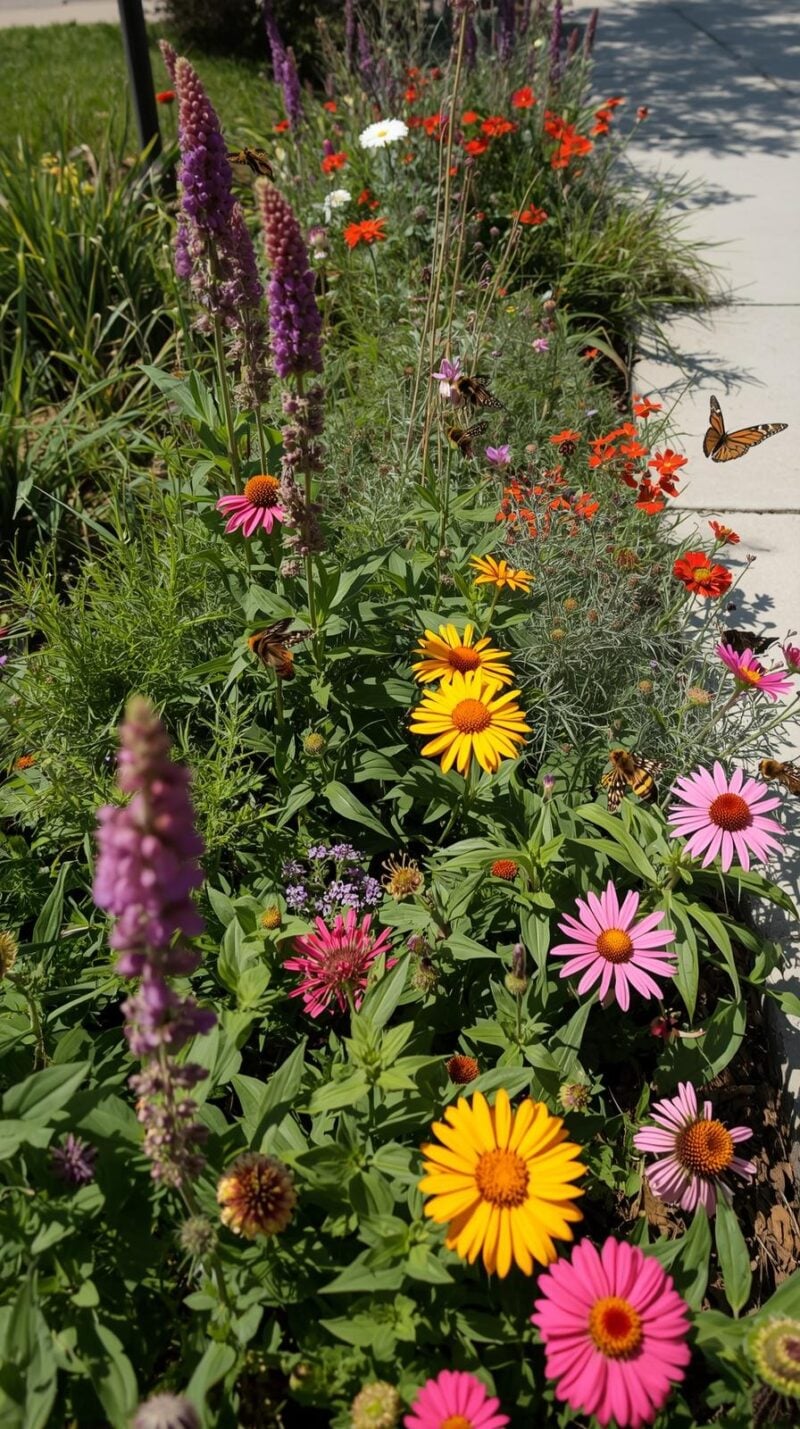
This idea may be small, but it does a lot. I set aside one sunny pocket for nectar-rich flowers, and the whole front yard starts to feel more alive because butterflies flutter through and bees get to work. The movement changes the mood of the space in a way plain mulch never will.
I like this front yard garden idea because it looks good and does good. Salvia, coneflower, lantana, catmint, yarrow, and zinnias all bring color, and they also support pollinators through the season. Therefore, even a narrow bed near the sidewalk can become a useful little habitat.
Why people love it
- Brings the yard to life
Bees and butterflies add movement that makes the space feel active and cheerful. - Gives small spaces meaning
I’m not just planting for looks. I’m also helping local pollinators in a simple way. - Packs in color
Pollinator plants often bloom bright and long, so the patch earns its spot visually.
When it’s a good idea
- ✓ You have a sunny corner
Most pollinator-friendly flowers bloom best with good sun. - ✓ You want less lawn
A mini patch can replace a small strip of grass with something more useful. - ✓ You enjoy a natural look
This style feels lively and a little relaxed, so it suits a softer front yard design.
Idea 8 Gravel Glow-Up
I use gravel and succulents to turn a hot, skinny front yard spot into a clean, modern garden that barely asks for water.
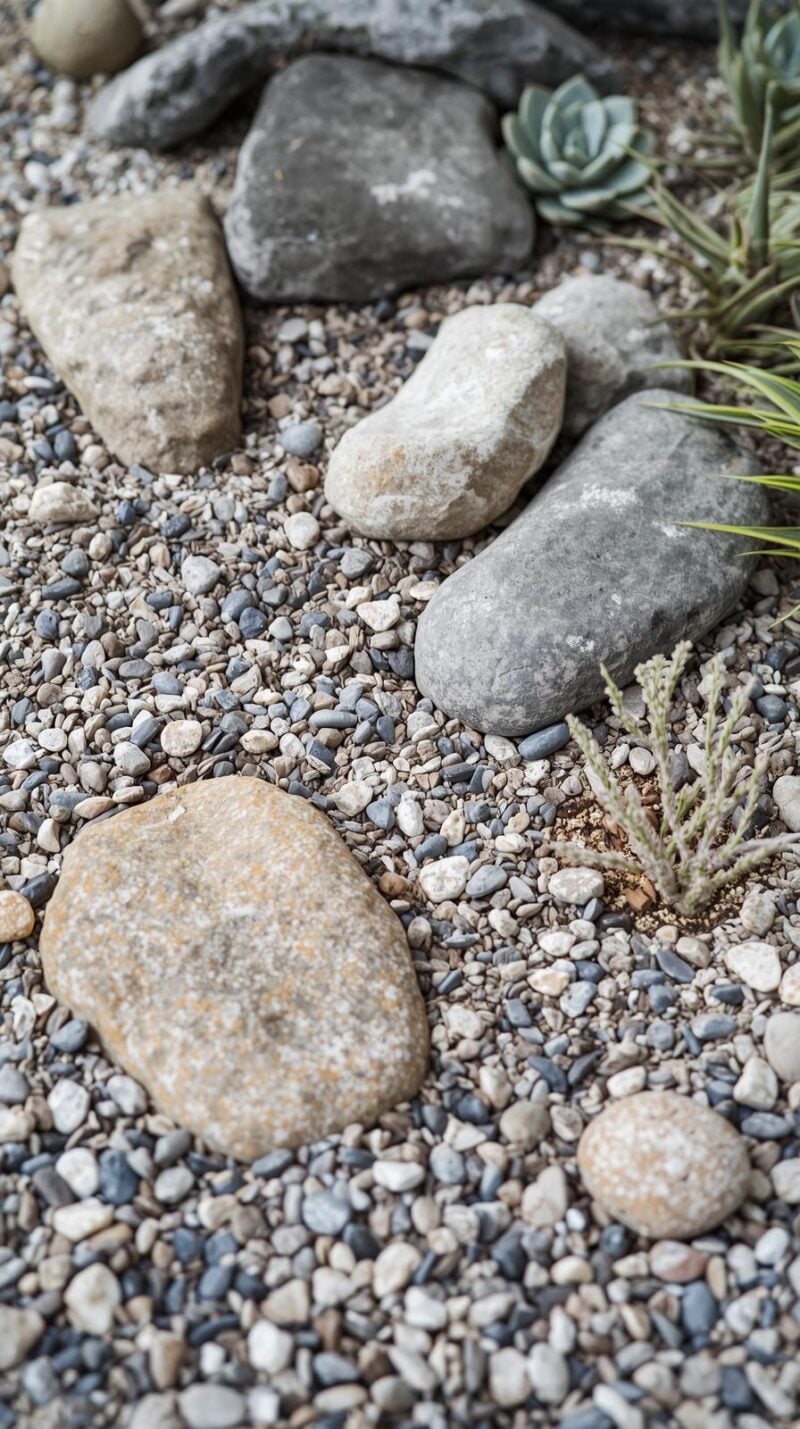
Some front yards bake in the sun all day, and plants throw a tiny protest. That’s where this idea shines. I like mixing pale gravel, chunky stone, and low succulents because the whole space looks calm, sculpted, and a little fancy without much fuss.
It also helps a small front yard feel bigger. Gravel reflects light, so the area looks brighter, and the simple plant shapes keep things from feeling crowded. If I only have a narrow strip near the walk or driveway, this is one of my favorite front yard garden ideas for a small space.
Why people love it
- Low water bills
I don’t need to water this setup much once it settles in. That makes it great for dry climates or busy weeks when life gets messy. - Clean modern style
The sharp contrast between gravel and fleshy leaves looks fresh and current. Even an older house gets a nice update from it. - Works in tight spots
Succulents stay compact, so they don’t spill all over the walkway. I can tuck several kinds into a very narrow bed and still keep it tidy.
When it’s a good idea
- ✓ Full sun all day
Hot spots near driveways, walls, or sidewalks often dry out fast. Succulents usually handle that better than thirsty flowers. - ✓ You want less upkeep
If I don’t want to prune every other weekend, this setup saves me. A quick weed pull now and then usually does the job. - ✓ Your style leans simple
This look fits modern, desert, and minimalist homes really well. It feels intentional, not random.
Use two gravel sizes.
I like a finer gravel for the main surface and a few larger stones as accents around the plants. That small change gives the bed depth, keeps it from looking flat, and makes the whole design feel more polished, because details matter, even in a tiny yard 🙂
Idea 9 One Tree, Big Impact
A small statement tree adds height and focus, so my front yard feels designed instead of scattered.
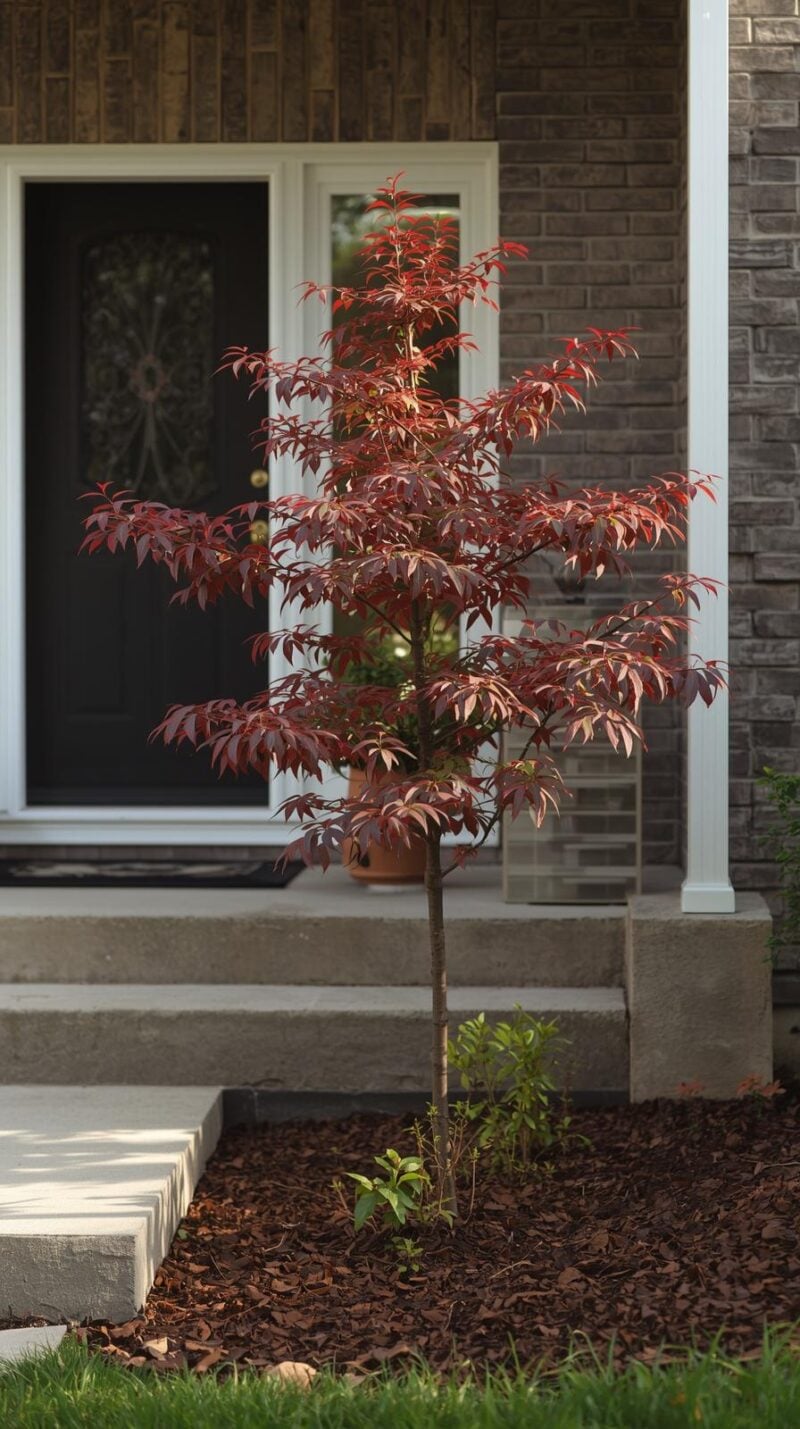
Sometimes a tiny yard needs one strong feature, not ten little ones fighting for attention. A statement tree does that job beautifully. I love using a compact ornamental tree, because it pulls my eye upward and makes the whole garden feel layered.
The trick, though, sits in the mature size. A tree that looks adorable in a nursery pot can turn into a roof-hugging giant later, and nobody needs that drama. I always check the final height and width first, then I place it where it can grow without blocking windows, paths, or the front door.
Why people love it
- Instant focal point
A small yard can look busy fast. One tree gives the eye a place to land, so the whole space feels calmer. - Four-season interest
Depending on the variety, I can get spring blooms, summer leaves, fall color, or pretty bark. That’s a lot from one plant. - Makes a yard feel taller
Height matters in a small space. A tree adds that vertical pull without taking up the whole ground plane.
When it’s a good idea
- ✓ The yard feels flat
If everything sits low to the ground, a tree breaks that pattern. It helps the garden feel more complete. - ✓ You need one clear feature
A statement tree anchors the design when I don’t want lots of different elements. It keeps the look simple and strong. - ✓ You have room for roots
I make sure the spot has enough open soil away from pipes and paving. Trees hate bad planning, and honestly, so do I.
Match the tree to the house scale.
I choose a tree that fits the size of the home and the yard, not just the nursery display. For a small front yard garden, trees like dwarf Japanese maple, serviceberry, or a compact crabapple often feel balanced, therefore the space stays charming instead of cramped.
Idea 10 Mailbox, But Make It Cute
I plant around the mailbox base to turn a plain post into a cheerful mini garden that connects the whole front yard.
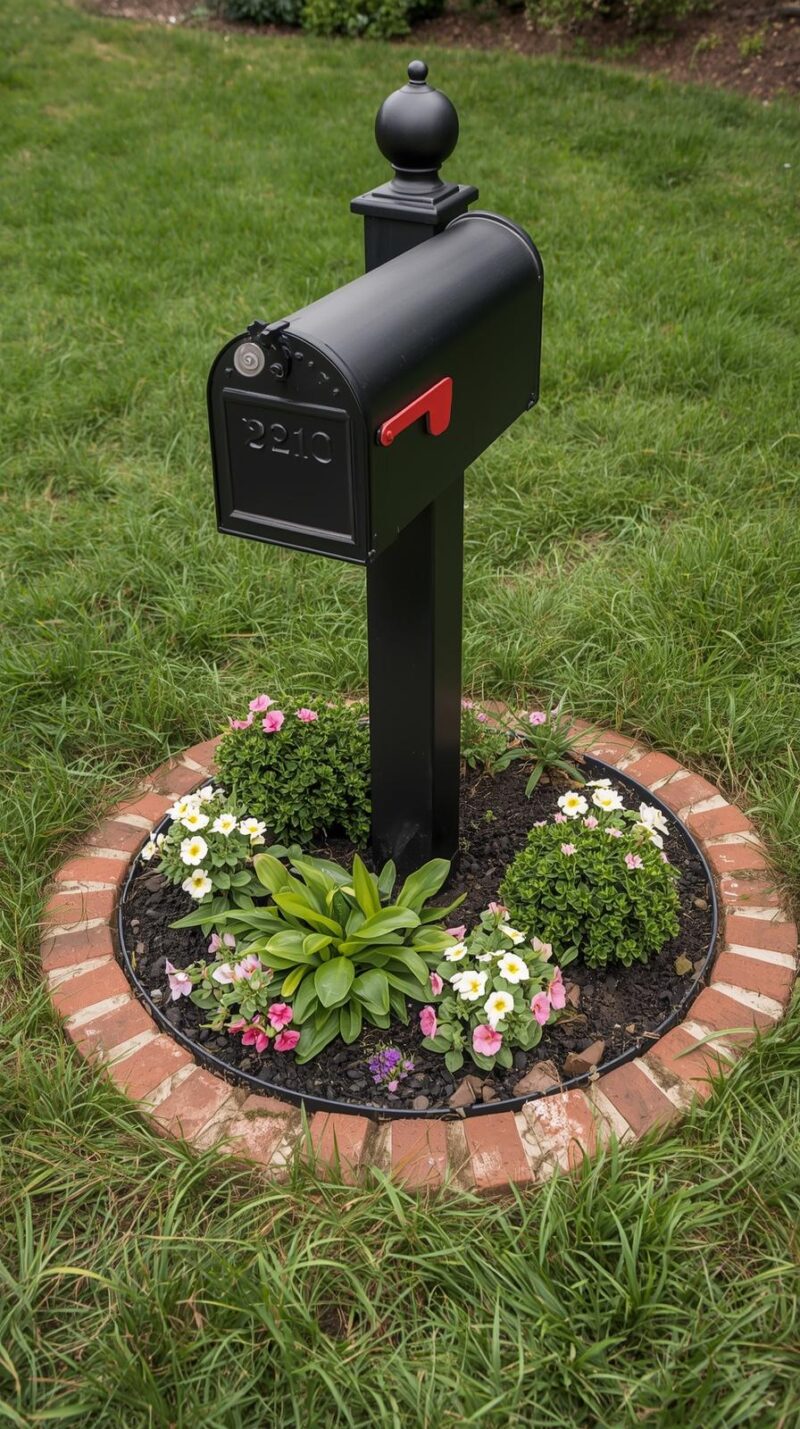
The mailbox usually sits there like an afterthought. I hate wasted spots, so I dress it up with a mailbox garden ring. It’s small, simple, and weirdly effective at making the front yard look finished.
This idea works best when I keep the shape neat and the plants low enough for mail delivery and street views. I like a tidy circle or soft oval, then I fill it with a few reliable plants that can handle heat, reflected light, and a little road grit. Glamorous? No. Cute? Very.
Why people love it
- Uses forgotten space
The mailbox area often gets ignored, yet it sits right in front where everyone sees it. A small planting there adds charm fast. - Ties the yard together
I repeat one or two plants from the main beds, so the design feels connected. That small echo makes the whole yard look more thoughtful. - Small budget, big payoff
This project needs only a few plants and a bit of edging. I get a lot of visual return without spending a ton.
When it’s a good idea
- ✓ Your mailbox stands alone
If the post looks bare in the middle of the lawn, this fixes it quickly. The base stops feeling awkward. - ✓ You want more curb appeal
Guests and delivery drivers notice this spot right away. A planted ring makes a sweet first impression. - ✓ You can keep plants low
I use compact flowers, dwarf grasses, or trailing plants. That keeps numbers visible and access easy.
Add edging before planting.
I always define the ring with brick, metal, or stone first, because a clear border makes even a tiny planting look intentional. It also helps me keep grass from creeping in, and that saves me from doing annoying cleanup every other week.
Idea 11 Snackable Sunny Strip
I turn a skinny sunny edge into an edible planting strip with herbs, lettuce, and strawberries, so the front yard looks pretty and earns its keep.
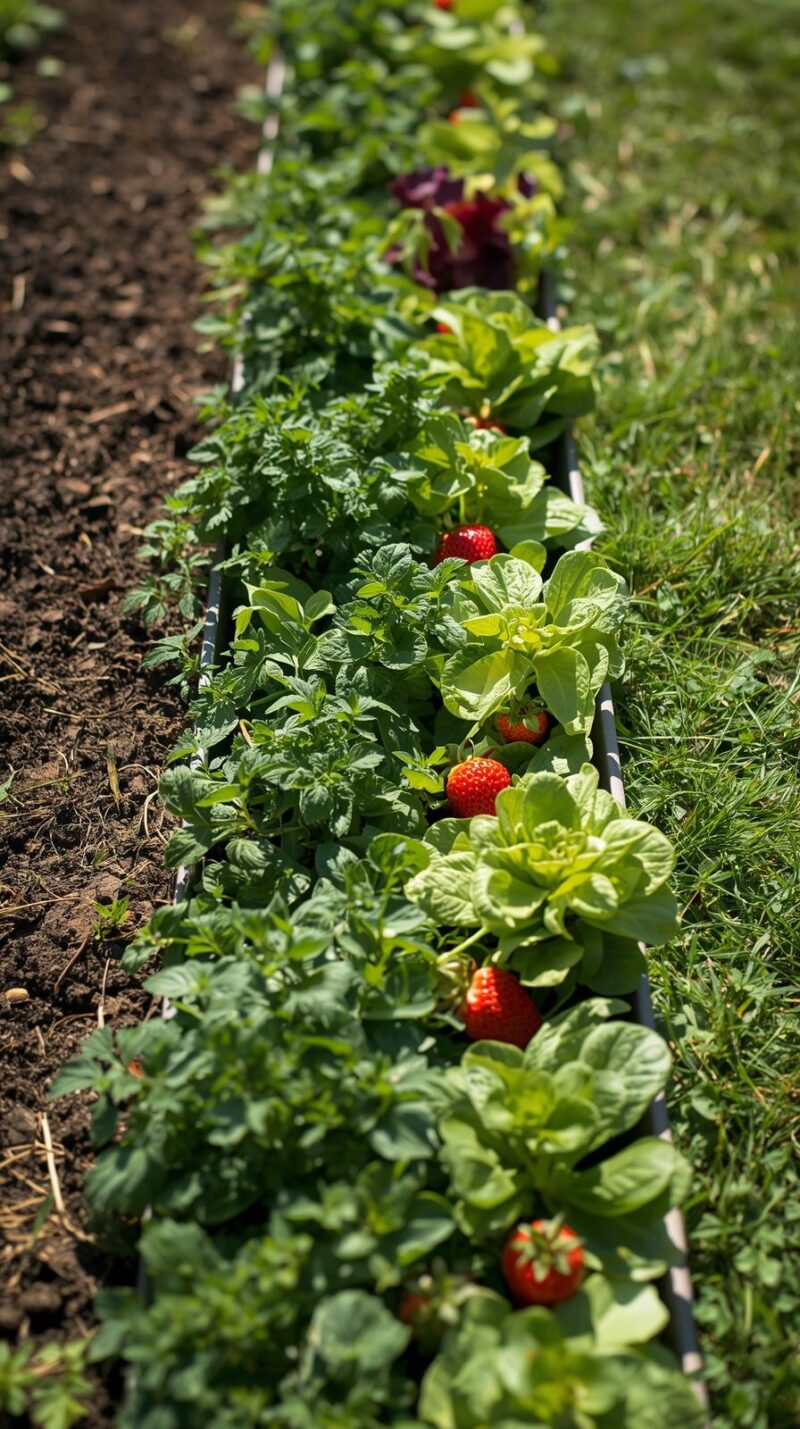
An edible front yard can look neat and stylish, not like I gave up and planted a grocery aisle outside. In a small space, a narrow edible strip works beautifully along a fence, path edge, or driveway line. I like this idea because it mixes beauty and use in one skinny footprint.
I usually plant herbs first, then tuck in compact lettuce and everbearing strawberries. The textures play well together, and the whole strip looks fresh instead of messy. Also, I can snip basil on my way inside, which makes me feel wildly organized for about five minutes.
Why people love it
- Pretty and useful
This planting does more than sit there. I get color, texture, and food from the same small area. - Easy to manage
A narrow strip feels less overwhelming than a full vegetable bed. I can weed, water, and harvest it quickly. - Great for renters or small homes
If I don’t have much yard, this still gives me a kitchen-garden feel. It’s a smart way to use every inch.
When it’s a good idea
- ✓ You get at least six hours of sun
Herbs and strawberries need strong light to do well. A bright edge near the sidewalk often works perfectly. - ✓ You want a tidy edible look
Compact crops stay neater than sprawling vegetables. The front yard still looks polished. - ✓ You like quick harvests
Lettuce and herbs give fast rewards. That keeps the garden fun, because waiting all season can test my patience.
I pick three reliable edibles and repeat them down the strip instead of planting one of everything. That makes the bed look cleaner, helps me shop faster, and keeps the whole front yard garden design from turning chaotic.
Simple starter cost guide
| Item | Typical Cost |
|---|---|
| 6 herb plants | $18-$30 |
| 2 packs lettuce starts | $8-$12 |
| 6 strawberry plants | $12-$20 |
| Compost and mulch | $15-$25 |
| Total | $53-$87 |
Idea 12 Stepping Stones, Softer Look
I plant low growers between stepping stones to soften hard surfaces, add texture, and keep the path safe in a small front yard.
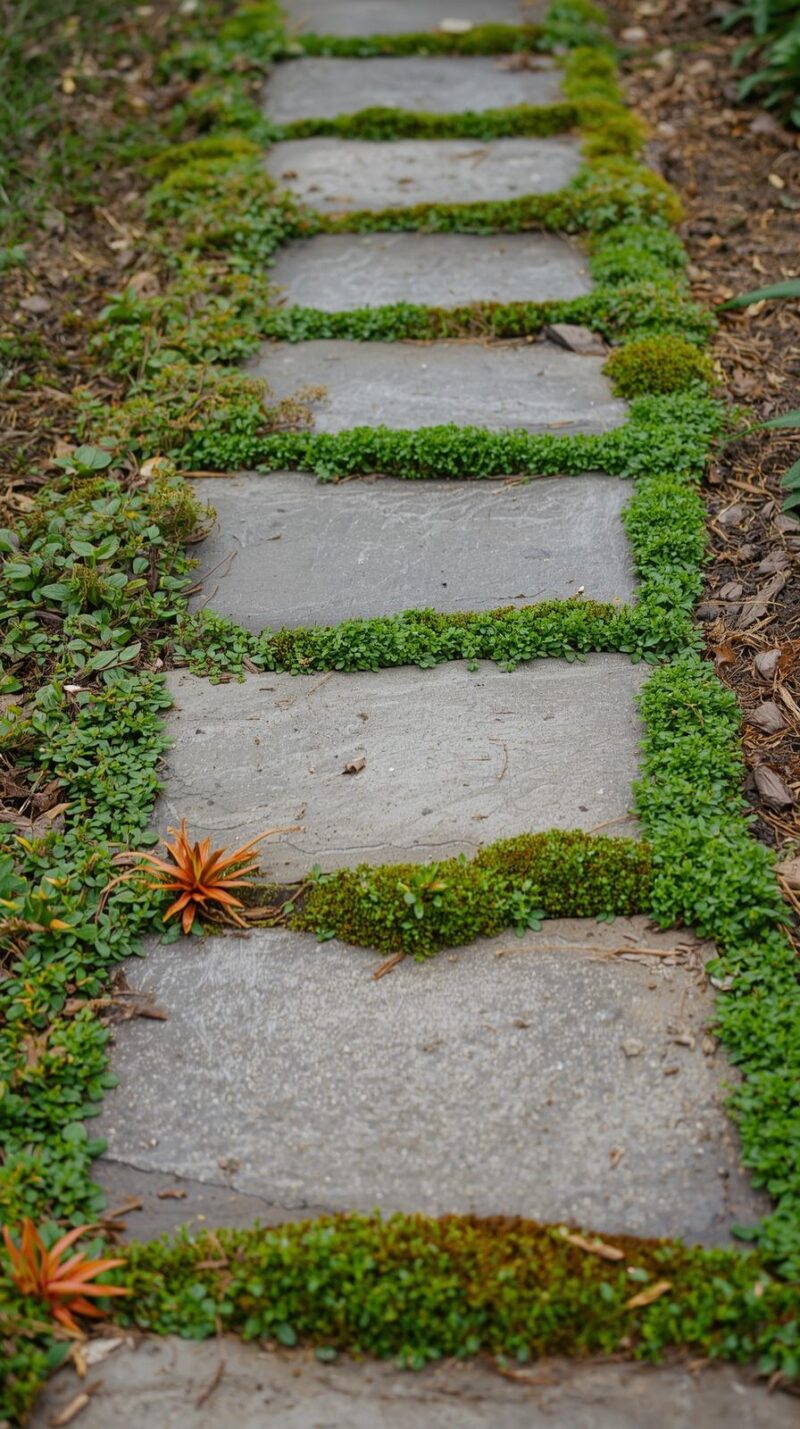
Stone paths can look a little harsh on their own. Pretty, yes, but also a bit stiff. I like adding planting pockets between or beside stepping stones because they bring in life and color without eating up much space.
This works best when I stay low and simple. I choose plants that can handle light foot traffic nearby and won’t flop over the path. Creeping thyme, Irish moss, blue star creeper, or dwarf mondo grass often do the trick, depending on the climate. However, I always think about safety first, so I keep the walking surface clear and level.
Why people love it
- Softens hard materials
Stone, brick, and concrete look warmer with greenery around them. The path feels more welcoming right away. - Adds texture in tiny spaces
Even a narrow walkway can hold a lot of visual interest. Small plants between stones create detail without clutter. - Can smell amazing
If I use creeping thyme, I get a light scent when I brush past it. That little bonus feels special every single time.
When it’s a good idea
- ✓ Your path looks too bare
If the walkway feels plain or stark, planted pockets warm it up. A little softness goes a long way. - ✓ You have good drainage
These low plants usually prefer soil that doesn’t stay soggy. Dry-to-average ground keeps them happier. - ✓ You can keep growth trimmed
I check the edges often, so plants don’t creep onto the stepping surface. That keeps the path tidy and easy to use.
Idea 13: Low Hedge Frame
A low hedge frame uses short, tidy shrubs to outline the edge of a small front yard and make the whole space feel planned.
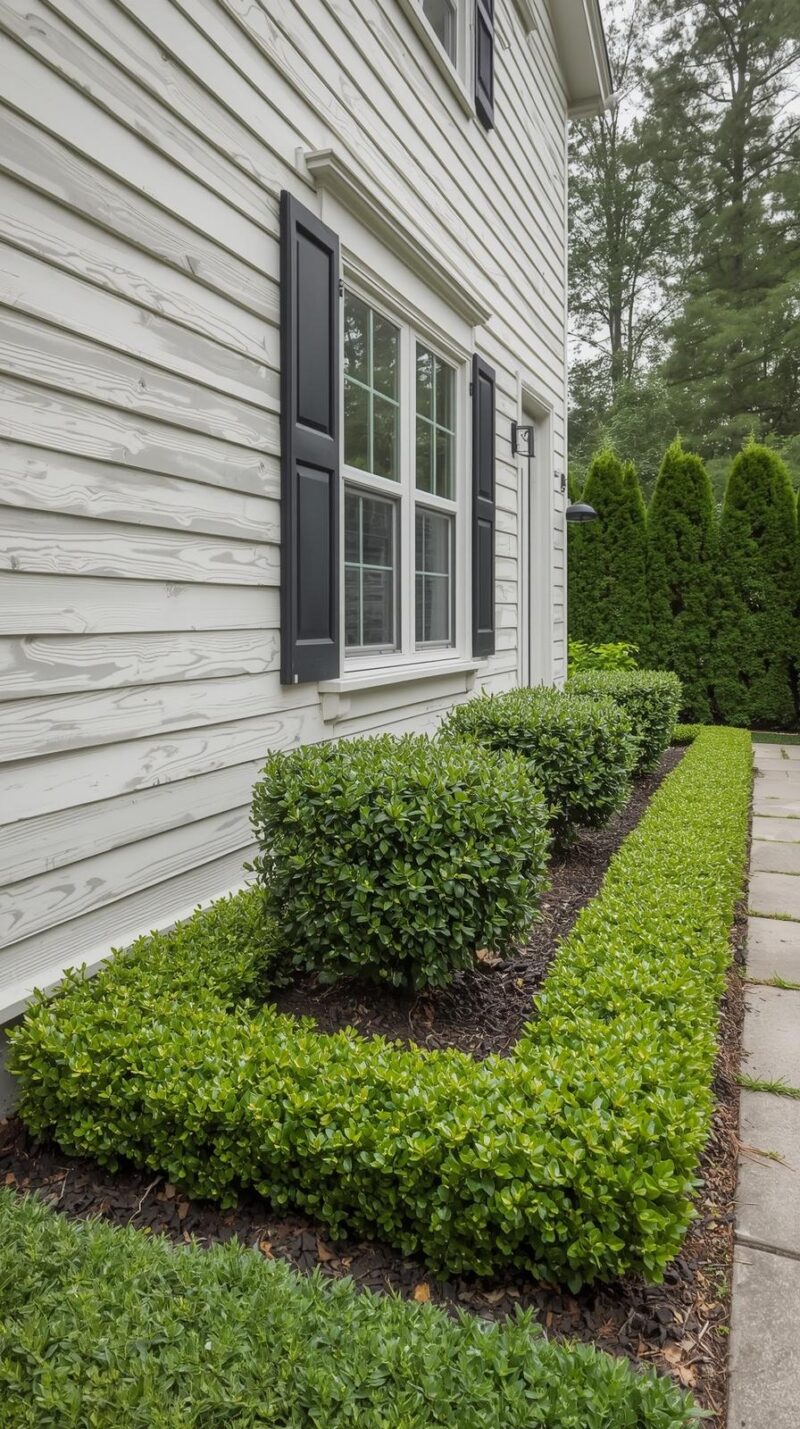
This idea works because a small yard often needs a visual border more than it needs more stuff. I use a low hedge to define the garden, soften the edges near the walk, and give flowers or gravel a cleaner backdrop. It feels polished, even when the planting inside stays very simple.
A clipped low hedge also helps a tiny front yard look bigger. Strange but true. My eye reads the outline first, so the space feels organized instead of random. That little bit of order goes a long way.
Why people love it
- Clean shape
I get instant structure from a hedge, even in winter. The whole front yard keeps its shape when flowers come and go. - Easy backdrop
Bright annuals, a mailbox bed, or a single tree all look better with a neat green edge around them. It makes everything else look more intentional. - Small-space friendly
I can keep it narrow and low, so it won’t eat the yard. That matters when every foot counts.
When it’s a good idea
- ✓ You want more structure
If the front yard feels scattered, a hedge pulls it together fast. - ✓ You like tidy curb appeal
This works well if you enjoy a neat, clipped look instead of a wild cottage style. - ✓ You need a simple border
I like this when fencing feels too heavy and flowers alone feel too loose.
Choose slow growers first.
I always pick compact shrubs that stay naturally short, like dwarf boxwood, Japanese holly, or lavender in warmer spots. If I start with fast growers, I sign myself up for way too much trimming, and honestly, I already have enough chores.
Idea 14: Rock Garden Layering
A rock garden layering plan mixes stones, low plants, and varied textures to create depth in a tiny front yard.
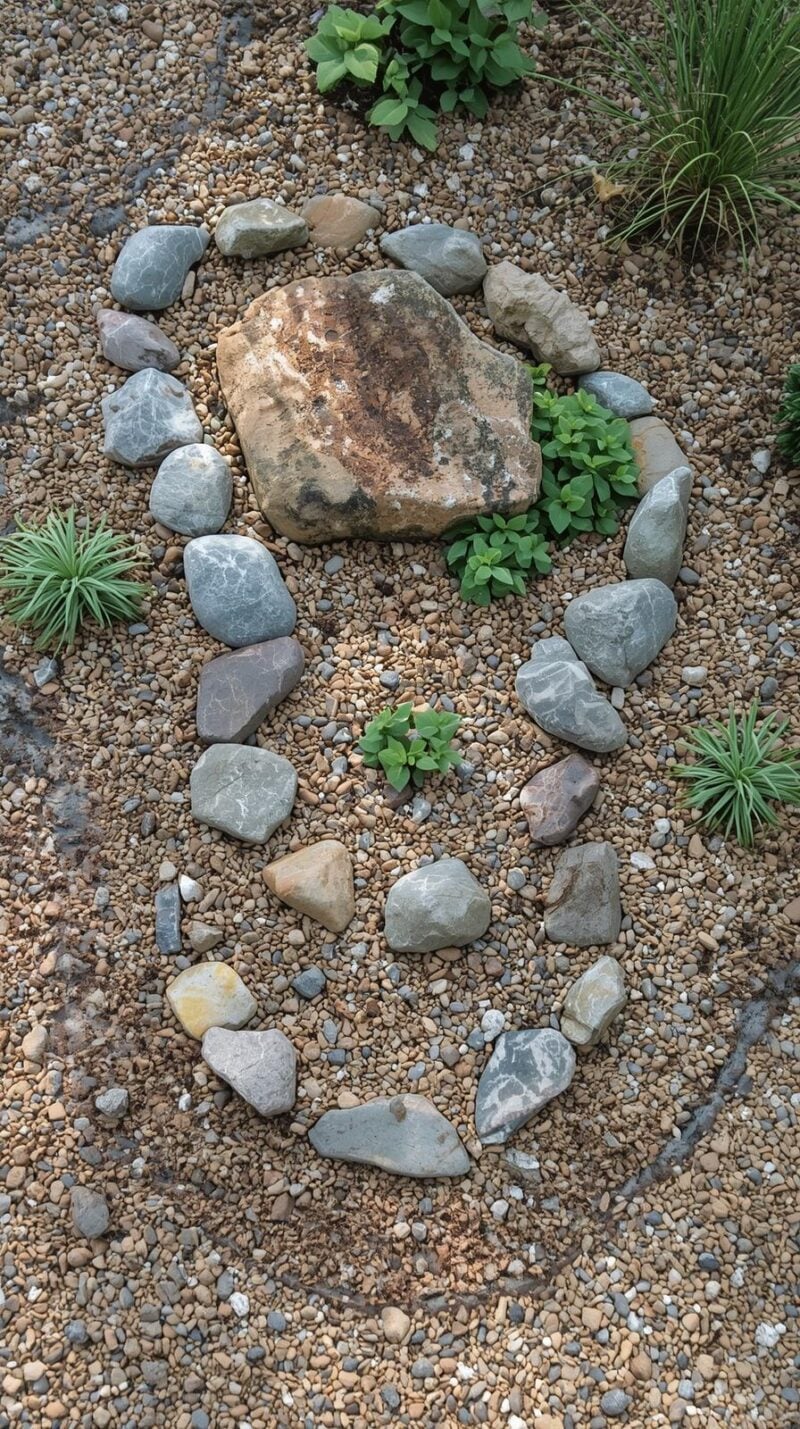
Some small spaces need more contrast, not more plants. That’s where I love a compact rock garden. I can use two or three stone sizes, tuck in alpine or drought-tolerant plants, and create a front yard that feels detailed without feeling crowded.
Texture does the heavy lifting here. Smooth river rock, rough stone, silvery foliage, and spiky grasses all play off each other, so even a narrow strip near the porch or walk feels interesting. I also like that this idea cuts back on watering in hot spots.
Why people love it
- Big texture, small footprint
A layered rock garden gives me visual depth without needing a large bed. It packs a lot of style into a tight area. - Less thirsty planting
I can choose sedum, hens-and-chicks, thyme, or dwarf grass and keep water use lower. That helps during dry spells. - Year-round interest
Rocks still look good in winter, and evergreen or semi-evergreen plants help the bed stay alive-looking all year.
When it’s a good idea
- ✓ Your soil drains well
Many rock garden plants hate soggy roots, so this setup works best in dry or improved soil. - ✓ You have a sunny front yard
Most classic rock garden plants love sun and reward it with strong color and shape. - ✓ You want lower upkeep
If you don’t want to baby a flower bed, rocks and hardy plants can keep things simpler.
Use three stone sizes.
I group one larger anchor stone, medium stones around it, and a smaller gravel layer to finish the surface. That mix looks natural because it copies what I’d see on a real slope, and it keeps the rock garden from looking like I dumped one sad bag of pebbles and called it done.
Idea 15: Seasonal Color Swap
A seasonal color swap means I rotate a few annuals through the year so my front yard stays fresh without a full redesign.
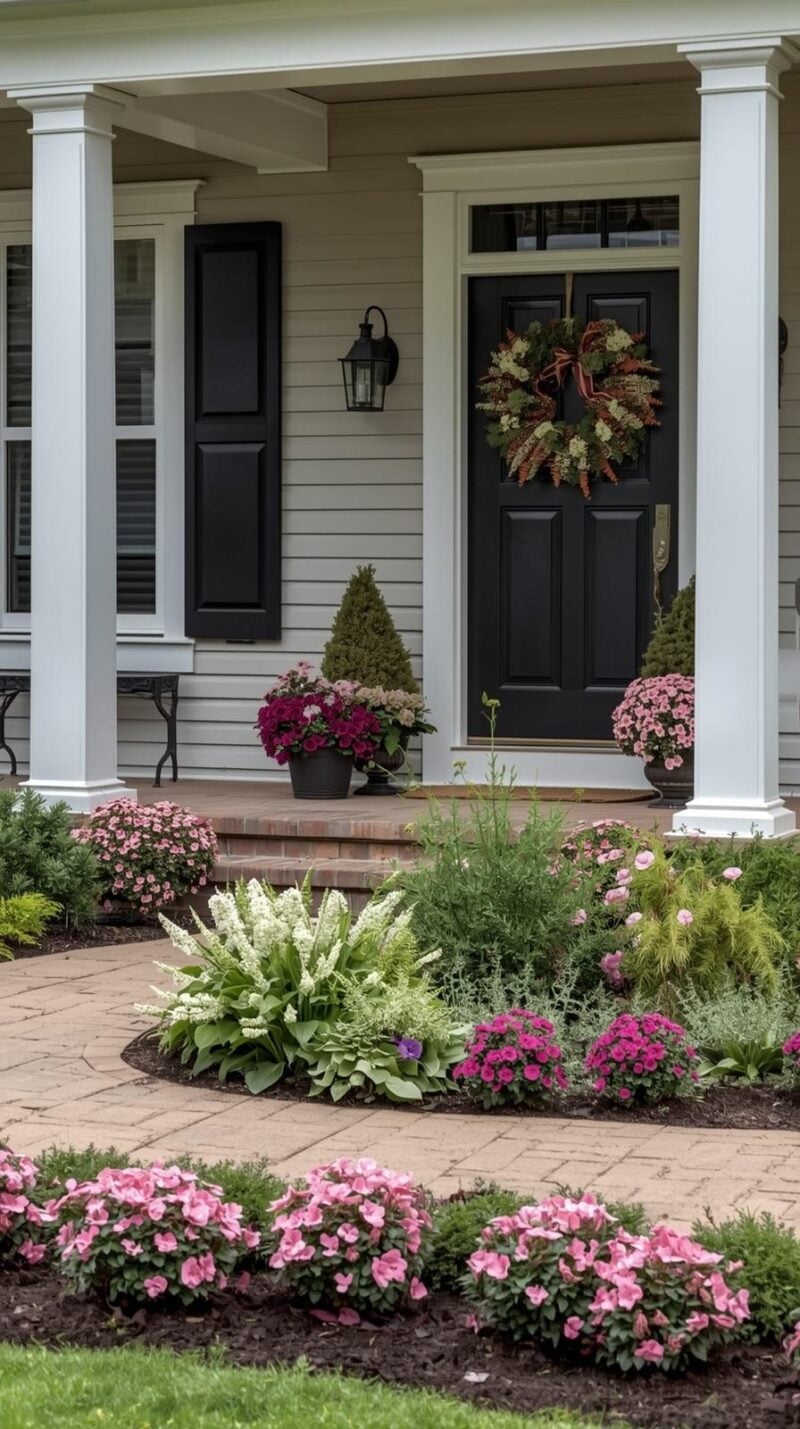
This is one of my favorite small front yard garden ideas because it keeps things flexible. I don’t have to rip out the whole garden when I want a new look. I just switch a few front-row flowers, porch-side pots, or tiny bed fillers to match the season.
Spring can bring pansies or alyssum. Summer can take petunias, zinnias, or vinca. Fall loves mums, kale, and ornamental peppers. That small shift changes the mood of the whole entry, and I get that “new garden” feeling without starting over. FYI, this idea also helps if I get bored easily, which I absolutely do.
Why people love it
- Fresh look all year
I can update the yard in small moves instead of doing one giant makeover. It keeps the space lively and current. - Budget control
I only replace a handful of plants each season. That costs less than rebuilding beds or buying new hardscape. - Easy experimenting
If I want to try coral one season and purple the next, I can. Annuals let me play without long-term commitment.
When it’s a good idea
- ✓ You already have evergreen structure
This works best when shrubs, edging, or hardscape already hold the main shape. - ✓ You want color near the entry
A few swapped flowers near the door or walk make a strong first impression. - ✓ You like small seasonal projects
I enjoy this because it feels manageable, not overwhelming.
Keep one color thread.
I choose one repeat color, like white, pink, or deep purple, and carry it through every season. That makes the changes feel connected, so my front yard looks thoughtful instead of random, however playful I get with the rest of the palette.
Mixing Ideas Without Clutter
This approach combines two or three front yard garden ideas in a way that feels balanced, not busy.
A small yard can handle more than one idea, but it needs editing. I usually pick one structure idea, one planting idea, and one detail idea. For example, I might pair a low hedge frame with a mini pollinator patch and a cute mailbox bed. That mix feels full, yet still calm.
The mistake I see most often? Too many focal points. A trellis, a bold tree, bright annuals, oversized pots, and fancy edging can all fight for attention. My rule stays simple: if everything tries to be the star, the yard starts yelling at me.
I make a tiny table before I buy anything, because that keeps me from tossing “just one more plant” into the cart six times. My rough starter version looks like this:
| Feature | Low Cost | Mid Cost |
|---|---|---|
| Low hedge frame | $60 | $180 |
| Rock garden corner | $75 | $220 |
| Seasonal color swap | $25 | $70 |
That little chart helps me choose what matters most now, and what can wait until next season.
Wrap-Up and Next Steps
This final step turns front yard garden ideas into a simple plan I can actually start and finish.
After looking at all 15 front yard garden ideas, I keep coming back to one thing: small spaces reward restraint. I don’t need to use every idea in one yard. I just need a few that match the light, the walkway, and the amount of upkeep I can honestly handle. That last part matters because a pretty plan still has to work on a Tuesday when I’m tired and the hose looks annoying.
Conclusion
If I wanted a front yard that looked good fast, I’d save this list and choose just two ideas to start. One should shape the space, like a hedge or raised bed. The other should add charm, like seasonal flowers or a pollinator patch. That combo usually gives me the biggest visual change for the least stress.
I also keep a simple note with plant names, costs, and what worked each season. It sounds nerdy, I know, but it saves me money later. A small front yard doesn’t need more clutter. It needs a plan, a little patience, and a few smart choices that make coming home feel extra nice 🙂
Last modified: May 27, 2026
