

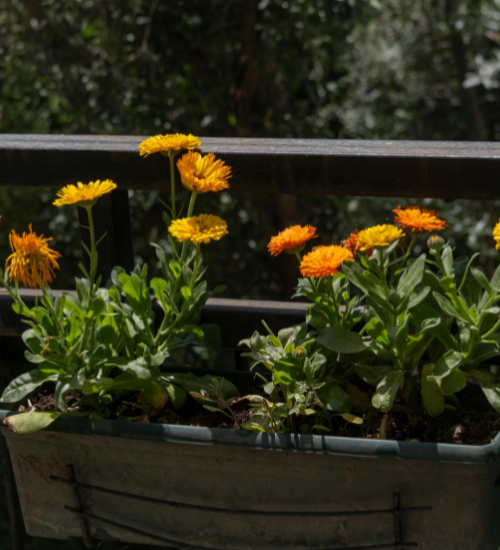
You do not need a large backyard to grow flowers for bouquets. A sunny balcony, apartment terrace, rooftop, or sturdy window ledge can produce enough stems for small arrangements throughout the growing season.
A balcony cut flower garden in containers works best when it is planned around practical limits. Containers dry out faster than garden beds, balconies may be exposed to strong wind, and not every building allows heavy planters or large structures. The most successful setup uses compact, productive flowers in containers that are easy to water, harvest, and move.
The goal is not to grow every flower at once. Instead, choose a manageable group of plants that provides different colors, heights, textures, and flowering times.
Check the Balcony Before Planting
Before buying containers, inspect the growing space.
Ask:
- How many hours of direct sun reach the balcony?
- Does the balcony receive strong wind?
- Is there a nearby water source?
- Can the floor safely support containers?
- Are hanging baskets permitted?
- Could water drain onto people or property below?
- Is there enough room to move safely around the pots?
A sunny balcony may support sun-loving flowers such as zinnias, marigolds, calendula, petunias, and compact salvias. A shaded balcony may be better suited to begonias, impatiens, violas, and foliage plants.
Weight matters. Wet soil, large pots, and mature plants can become surprisingly heavy. Follow building rules and use lightweight containers where appropriate.
Choose Containers for Flower Production
Decorative pots are attractive, but the container must also support healthy roots.
Look for:
- Drainage holes.
- A stable base.
- Enough depth for the mature plant.
- A material suited to your climate.
- A shape that will not tip in wind.
Small containers may be easier to move, but they dry quickly. Larger containers provide more root space and buffer moisture changes. A pot around 12 to 18 inches wide can often support a useful combination of compact flowers, although the correct size depends on the plants.
Avoid placing a small nursery pot inside a decorative container without checking drainage. Standing water can collect around the inner pot and leave roots saturated.
Use Potting Mix, Not Garden Soil
Garden soil is usually too dense for containers. It can compact around roots and drain poorly.
Use a quality potting mix designed for containers. A good mix should:
- Hold moisture without becoming waterlogged.
- Drain excess water.
- Remain light enough for balcony use.
- Provide space for roots and air.
- Support repeated watering.
Container plants also lose nutrients through frequent watering. Slow-release fertilizer or regular feeding may be necessary, depending on the potting mix and plant type. The University of Minnesota Extension notes that container plants often require more attention because watering can leach nutrients from the growing medium. Fertilizing and watering container plants | UMN Extension
Choose Flowers That Earn Their Space
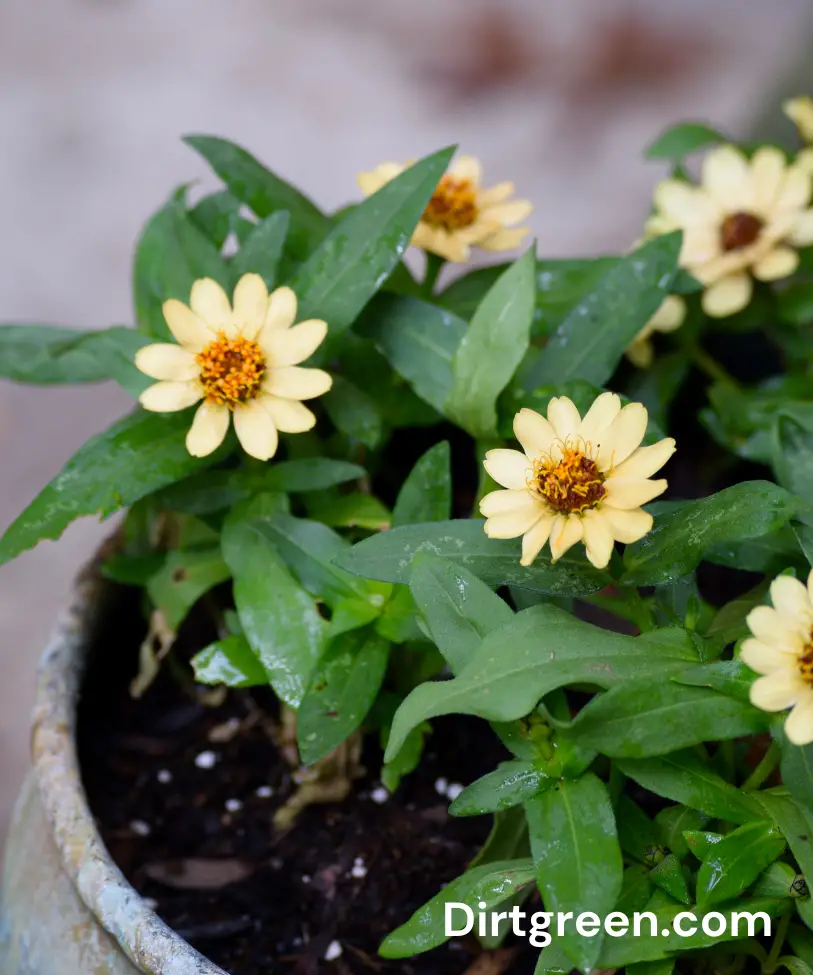
A balcony cut flower garden in containers should focus on flowers that produce usable stems or abundant blooms.
Zinnias
Compact zinnias can provide bright colors and sturdy stems for casual bouquets. Choose dwarf or container-friendly varieties when space is limited. Harvest when flowers are partly open and stems feel firm.
Calendula
Calendula offers warm yellow and orange flowers. The stems are useful in small arrangements, and the petals can also be used as edible garnishes when grown without unsuitable pesticides.
Marigolds
Marigolds are productive, tough, and suitable for sunny containers. Some varieties form compact plants while others become taller. Remove faded blooms to encourage continued flowering.
Nasturtiums
Nasturtiums trail beautifully over the edges of containers. Their stems are less formal for bouquets, but the flowers are excellent for loose, garden-style arrangements.
Celosia
Celosia adds strong texture and unusual shapes. Plume types provide vertical color, while crested forms create a bold focal point. Harvest before the flowers become fully mature for the best vase performance.
Cosmos
Compact cosmos varieties can grow well in large containers. They create airy stems and delicate flowers, although they may need support in windy locations.
Sweet peas
Sweet peas provide fragrance and elegant stems but usually need a trellis. Their season can be brief in hot weather, so they are especially useful in cooler spring conditions.
Snapdragons
Snapdragons bring vertical lines to arrangements. They may need staking, particularly on exposed balconies. Choose a container deep enough to support the roots and use a sheltered position.
Dwarf sunflowers
Dwarf sunflowers can become strong focal flowers in large containers. Their mature height varies, so select compact varieties and place them where they will not shade everything else.
A Practical Container Combination
Instead of placing one plant in every pot, combine flowers by growth habit.
A useful formula is:
- One upright flower.
- One rounded or mounding flower.
- One trailing plant.
- One foliage plant for contrast.
For example:
| Container role | Possible plant |
|---|---|
| Upright | Snapdragon or celosia |
| Mounding | Calendula or compact marigold |
| Trailing | Nasturtium or sweet alyssum |
| Foliage | Ornamental grass or silver-leaved plant |
Not every combination will have identical water needs. Group plants with similar light and moisture requirements.
Protect Plants From Wind
Wind is one of the biggest challenges on balconies. It can break stems, dry leaves, tip containers, and increase water loss.
Reduce wind stress by:
- Placing pots near a stable wall.
- Using heavier containers for tall plants.
- Adding stakes early.
- Grouping pots together.
- Avoiding loose hanging baskets in exposed positions.
- Choosing compact varieties.
- Checking plants more often during hot, windy weather.
Do not seal the balcony completely with an improvised barrier. Air movement is still important, and building rules may restrict screens or structures.
Watering a Balcony Cut Flower Garden
Container plants often need more frequent watering than flowers growing in the ground. However, watering every day on a fixed schedule is not always correct.
Check the pot by touching the surface and lifting the container when possible. Water thoroughly when the upper layer has begun to dry, then allow excess water to drain.
Watering tips:
- Water at the base of the plant.
- Avoid wetting flowers repeatedly.
- Water early in the day when possible.
- Empty saucers after heavy watering.
- Check small pots more often than large pots.
- Expect increased water needs during heat and wind.
Overwatering can be just as damaging as drought. Roots need both moisture and air.
Feed for Flowers, Not Just Leaves
Flowers grown in containers eventually use the nutrients available in the potting mix. A fertilizer suitable for flowering plants can support continued growth when applied according to the label.
Avoid adding extra fertilizer simply because the plant is not blooming. Poor light, excessive heat, root stress, and overwatering can all reduce flowering. Feeding cannot correct every problem.
Harvest Flowers Correctly
Harvesting is one of the most important parts of a balcony cut flower garden in containers. Cutting correctly can encourage branching and extend production.
Follow these steps:
- Harvest during the cool part of the day.
- Choose stems with flowers that are opening but not fading.
- Use clean, sharp scissors.
- Cut above a healthy leaf node when appropriate.
- Remove foliage that would sit below the waterline.
- Place stems into clean water immediately.
Arrange Balcony-Grown Flowers
Balcony-grown flowers often have different stem lengths, which suits relaxed arrangements.
Try a simple design:
- Begin with one or two tall stems.
- Add rounded flowers near the center.
- Place airy flowers around the outside.
- Use trailing stems to soften the rim.
- Remove leaves below the waterline.
- Turn the vase as you work.
Do not force every stem into a perfect shape. The charm of container-grown flowers is often their informal movement.
Keep Bouquets Fresh
Use a clean vase and fresh water. Recut the stems before placing them in the vase, and remove leaves that would sit underwater.
Keep the bouquet away from:
- Direct sunlight.
- Heating vents.
- Strong drafts.
- Ripening fruit.
- Very hot rooms.
Change the water when it becomes cloudy and remove fading flowers before they affect the rest of the arrangement.
Seasonal Balcony Planting Plan
Early season
Use violas, pansies, sweet peas, calendula, and snapdragons where the climate allows.
Warm season
Shift toward zinnias, marigolds, celosia, nasturtiums, cosmos, and heat-tolerant annuals.
Late season
Keep productive marigolds, celosia, zinnias, and chrysanthemums going where temperatures permit. In cooler regions, move frost-sensitive containers to protection when necessary.
Common Problems
Plants wilt every afternoon
The pot may be too small, the plant may be exposed to wind, or the container may need more frequent watering.
Plants grow leaves but few flowers
Check sunlight first. Many flowering plants need several hours of direct light. Petunias, for example, produce more flowers in stronger sunlight and require well-drained soil. Growing petunias
Stems bend or break
Use stakes, choose compact varieties, and move tall plants to a sheltered location.
Flowers fade quickly in the vase
Harvest earlier, recut the stems, keep leaves out of the water, and change cloudy water promptly.
Final Thoughts
A balcony cut flower garden in containers can provide a steady supply of small bouquets without requiring a traditional garden. Start with a few reliable flowers, use containers with good drainage, protect plants from wind, and harvest stems regularly.
The best balcony garden is not the one with the most pots. It is the one you can water, feed, harvest, and enjoy consistently.
Last modified: October 23, 2026
