

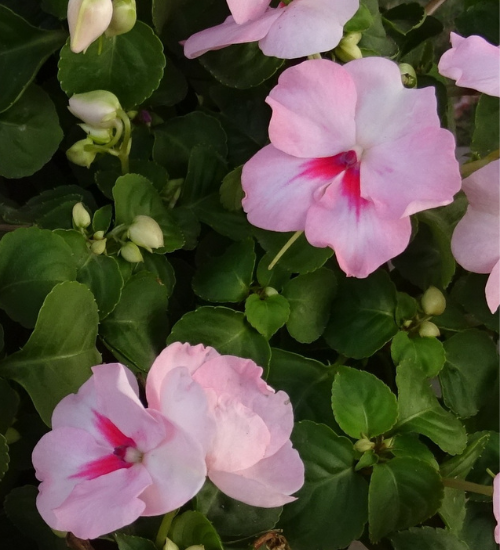
A balcony does not need all-day sunshine to become a beautiful flower garden. In fact, shaded balconies can feel cooler, calmer, and more private than bright, exposed spaces. The key is choosing plants that match the amount of light your balcony actually receives instead of trying to force sun-loving flowers into a dim corner.
The best shade-loving flowers for balcony containers bring color through blooms, foliage, or both. Some thrive in bright indirect light, while others prefer gentle morning sun and afternoon shade. A few can even flower beneath an overhang or beside a north-facing wall.
Before buying plants, spend a day observing your balcony. Notice when direct sunlight reaches the floor, railing, and containers. A space with two to four hours of morning sunlight is different from a balcony that receives only reflected light. Your results will improve when the flowers match those conditions.
How Much Shade Does Your Balcony Have?
“Shade” can mean several different things. Use this simple guide before selecting plants.
| Balcony condition | Approximate light | Good plant direction |
|---|---|---|
| Bright shade | No direct sun, but plenty of daylight | Begonias, fuchsias, impatiens |
| Part shade | Two to four hours of gentle sun | Violas, wax begonias, torenias |
| Afternoon shade | Morning sun followed by shelter | Hydrangeas in large pots, impatiens |
| Deep shade | Very little direct or reflected light | Foliage plants with a few flowering accents |
| Windy shade | Shade combined with drying air | Tough begonias, heuchera, ivy companions |
A balcony can also have several microclimates. The railing may receive more light than the wall, while a corner beneath an awning may stay darker and wetter. Place brighter-light plants near the outer edge and shade plants closer to the building.
1. Tuberous Begonias
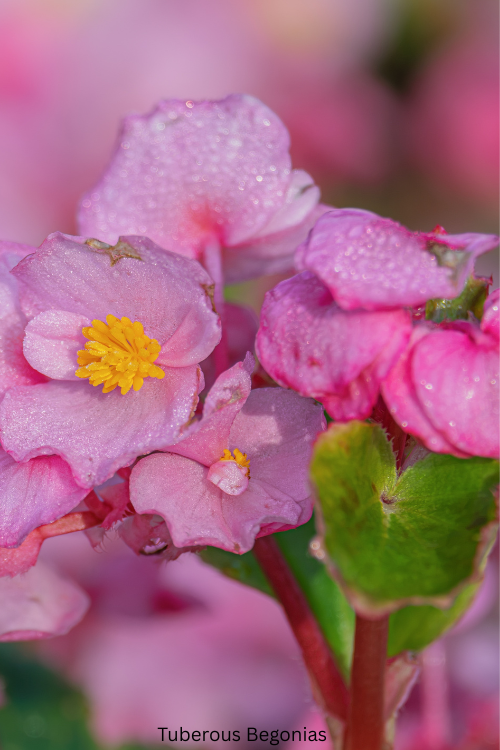
Tuberous begonias are among the most rewarding shade-loving flowers for balcony containers. Their large blooms can be single, double, ruffled, or camellia-like, with colors ranging from white and yellow to pink, orange, and red.
They work especially well in pots where their flowers can be viewed at eye level. Upright types create a formal display, while trailing varieties are useful in hanging baskets or containers placed on a shelf.
Use a loose, well-draining potting mix. Water when the surface begins to dry, but do not leave the container sitting in a saucer of water. Tuberous begonias prefer consistent moisture without soggy roots.
Choose a sheltered location because strong wind can damage their large petals and soft stems. If your balcony is exposed, place begonias against a wall or use a heavier container that will not tip easily.
2. Impatiens
Shade-Loving Flowers for Balcony Containers
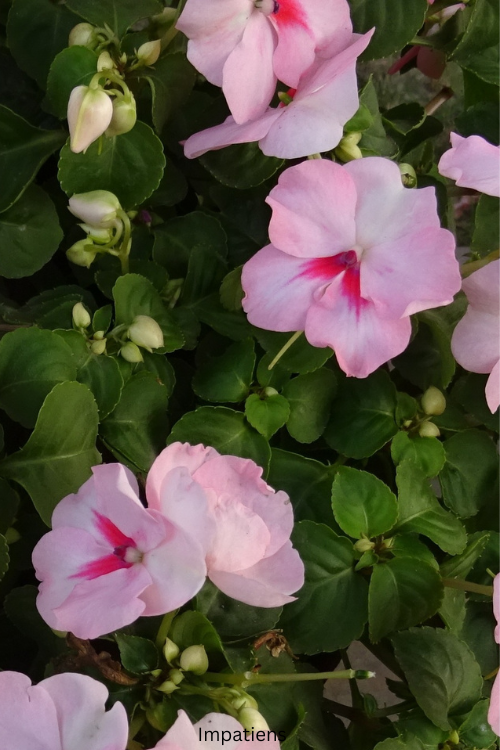
Impatiens are reliable choices for bright shade and gentle morning light. They produce flowers in white, pink, red, coral, violet, and other shades, making them easy to coordinate with existing balcony furniture or outdoor textiles.
Plant them in groups rather than scattering one plant in every pot. A bowl filled with three or five impatiens often looks fuller and more intentional than several small individual containers.
Impatiens prefer fertile, well-drained soil that does not dry out completely. Check containers frequently during hot weather, especially if the balcony is sheltered from rainfall. A pot beneath an awning may need watering even when the rest of the neighborhood has received rain.
Avoid placing them in harsh afternoon sun unless the variety is specifically labeled for brighter conditions. Traditional impatiens are generally most comfortable in shade or filtered light. Impatiens | UMN Extension
3. Fuchsias
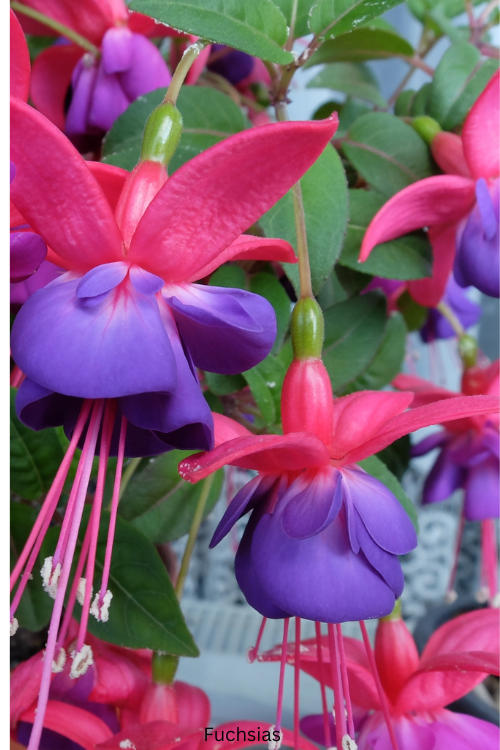
Fuchsias bring an elegant, almost jewelry-like quality to shaded balconies. Their hanging flowers often combine two contrasting colors, such as pink and purple or red and white.
They are excellent for hanging baskets because the flowers naturally face downward. If you use a floor container, choose a raised stand so the blooms can be seen instead of hidden behind the pot rim.
Fuchsias appreciate cool conditions, filtered light, and steady moisture. They may struggle on balconies that become extremely hot, especially when dark walls or concrete reflect heat. During a heat wave, move them into the most protected area available and check the soil daily.
Pinch the tips of young plants to encourage branching. This creates a fuller plant with more flowering stems instead of one long, thin branch.
4. Wax Begonias
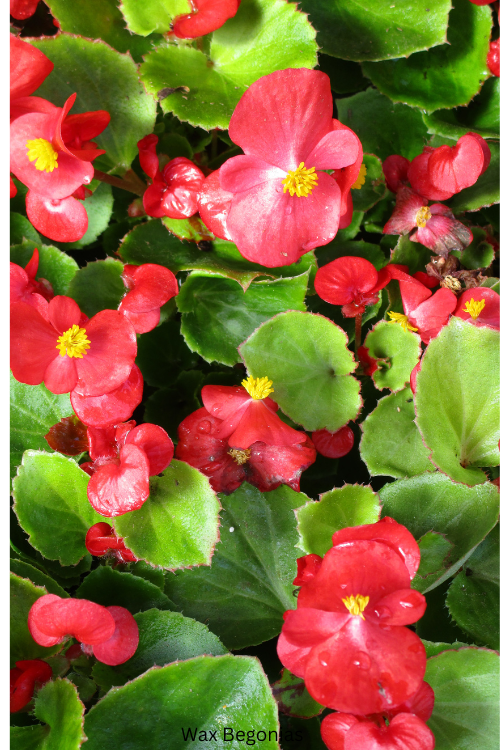
Wax begonias are compact, dependable, and easier to manage than many larger flowering plants. Their glossy leaves provide structure even between flushes of flowers.
They tolerate bright shade and some gentle morning sun. Use them as edging plants around taller flowers or plant a single-color group for a clean, modern look.
White wax begonias brighten dark corners particularly well. Pink and red varieties create a warmer, more traditional display. Their compact shape also makes them suitable for narrow balcony shelves.
5. Torenia
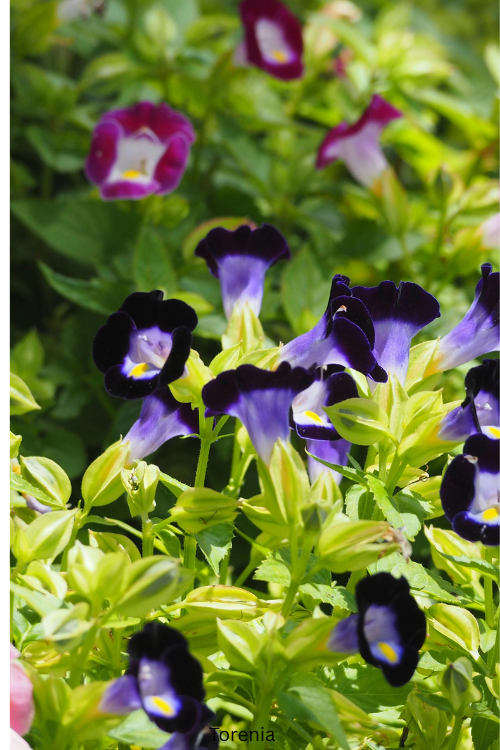
Torenia, sometimes called wishbone flower, produces small, colorful blooms with a cheerful, snapdragon-like appearance. It is a useful choice when you want flowers that look delicate but fill a container effectively.
Torenia works well in mixed pots with impatiens, begonias, and shade-tolerant foliage. Its trailing habit allows it to soften the edge of a container without taking over the entire arrangement.
Keep the soil evenly moist and remove faded flowers if the plant begins to look untidy. Torenia is especially useful for balconies where you want continuous color without tall plants blocking the view.
6. Browallia
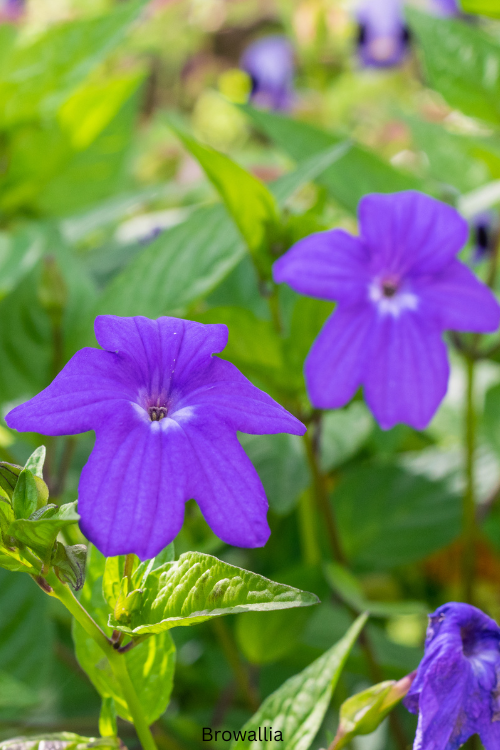
Browallia produces blue, violet, or white flowers and can add cooler tones to a shaded balcony arrangement. Blue flowers are valuable in low-light spaces because they create a calm, recessive effect rather than making the area feel visually crowded.
Use browallia in a pot near pale walls or light-colored furniture, where the flowers will be easier to see. It combines well with silver foliage, white begonias, or green-and-white variegated plants.
7. Violas
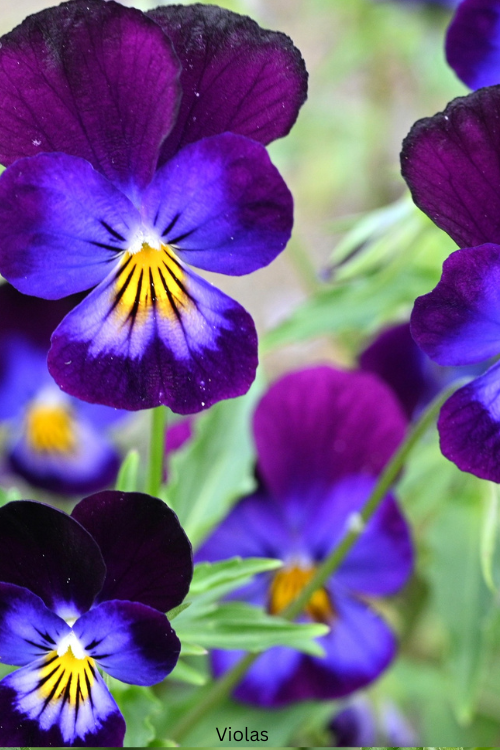
Violas are small but versatile flowers for balconies. They perform best in cooler seasons and can provide color in spring or fall when many summer flowers are fading.
Use them in shallow bowls, window boxes, or small railing planters. Their compact habit makes them easy to combine with trailing ivy, ornamental grasses, or small evergreen foliage.
Violas prefer evenly moist soil and benefit from regular removal of faded blooms. In hot climates, provide afternoon shade and expect flowering to slow during the hottest part of summer.
8. Coleus as a Flower Companion
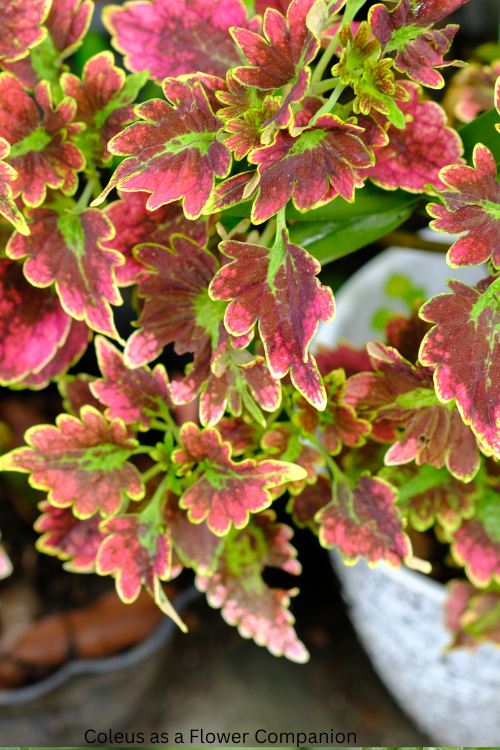
Coleus is grown mainly for its foliage, but it is one of the best companions for shade-loving flowers. Leaves may be lime green, burgundy, copper, pink, or patterned with several colors.
Because coleus varieties differ in their light needs, read the plant label carefully. Some tolerate sun, while others perform best in shade or partial shade. Use them as the “foliage anchor” in a mixed container, then add two or three flowering plants around them.
Pinch flower spikes if you prefer to keep the foliage dense. Coleus is generally grown for its leaves rather than its flowers. Coleus | UMN Extension
Three Easy Container Recipes
Cool and Romantic
- One pink fuchsia
- Two white impatiens
- One trailing ivy
- A charcoal or pale gray container
This combination works well near seating because the hanging fuchsia flowers create movement at eye level.
Bright Shade
- Two orange or coral begonias
- One lime-green coleus
- One trailing chartreuse plant
- A blue ceramic pot
The warm flowers stand out against the bright foliage without requiring full sun.
Simple White Display
- Three white wax begonias
- One silver-leaved foliage plant
- One green trailing plant
- A rectangular window box
A monochromatic design makes a small balcony look more organized and spacious.
Choosing the Right Container
Shade does not eliminate drainage problems. A container without drainage holes can still damage roots, even when the plant receives little sunlight.
Choose pots with drainage holes and use a commercial potting mix rather than garden soil. Garden soil is often too heavy for containers and may compact around roots.
Plastic pots are lightweight and practical for railings. Ceramic pots are attractive but heavier. If you use railing planters, confirm that they are secured properly and do not create a hazard below.
Dark containers can become hot in direct sun, while terracotta dries faster than plastic. Match the container material to your balcony’s exposure and watering routine.
Watering and Feeding Tips
Shade plants usually lose water more slowly than plants in full sun, but they can still dry out quickly in wind. Check the soil with your finger rather than watering on a fixed schedule.
Water thoroughly until excess moisture drains from the bottom. Then empty saucers if rain or watering has collected in them.
Feed flowering container plants according to the label on the fertilizer. Overfertilizing can create excessive leafy growth with fewer flowers. A balanced, diluted fertilizer used periodically is usually more useful than frequent heavy feeding.
Common Mistakes to Avoid
The most common mistake is treating all shade as identical. A bright balcony may support flowering begonias, while a deeply shaded corner may be better suited to foliage.
Another mistake is overcrowding containers at planting time. Small nursery plants need room to expand. A pot that looks slightly sparse at first may become full after several weeks.
Do not place delicate flowers where strong wind constantly hits them. Wind can dry foliage, break stems, and knock over containers.
Finally, rotate containers occasionally so plants do not grow toward one direction of light. This helps create a more balanced display.
Final Thoughts
The best shade-loving flowers for balcony containers are not limited to one type of plant. Begonias, impatiens, fuchsias, torenias, violas, and foliage companions can create a layered display with color from spring through fall.
Start by measuring your balcony’s light, choose containers with drainage, and group plants according to their moisture needs. With those basics in place, even a dim balcony can become one of the most inviting parts of your home.
Last modified: October 12, 2026
