

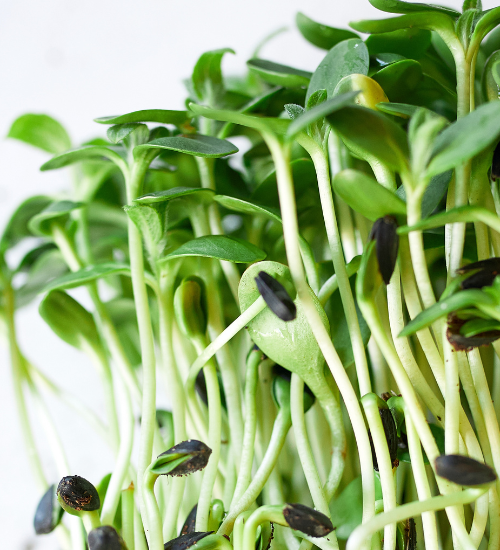
You do not need a backyard, raised bed, or bag of potting mix to grow fresh greens. Microgreens can be grown indoors on a hydroponic mat or another soilless growing medium, making them a convenient project for kitchens, apartments, and small homes.
Most microgreens are harvested while they are still young, often within one to three weeks after sowing. Radish, broccoli, kale, arugula, pea shoots, and sunflower are beginner-friendly choices with different colors, flavors, and textures. Grow Your Own Microgreens | USU
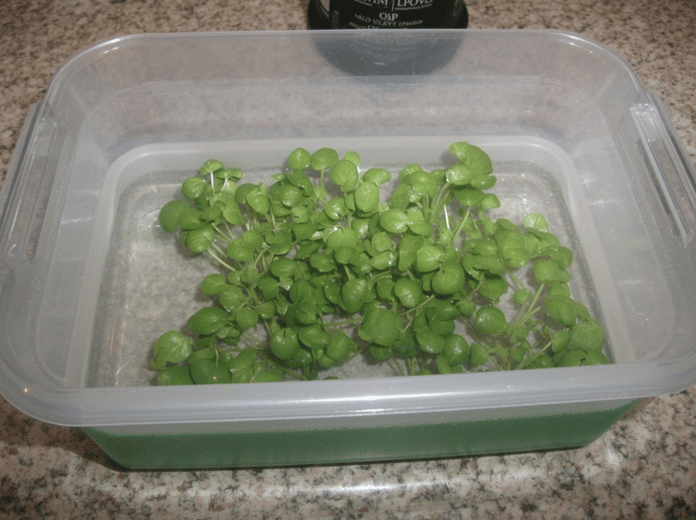
How to Grow Microgreens Without Soil
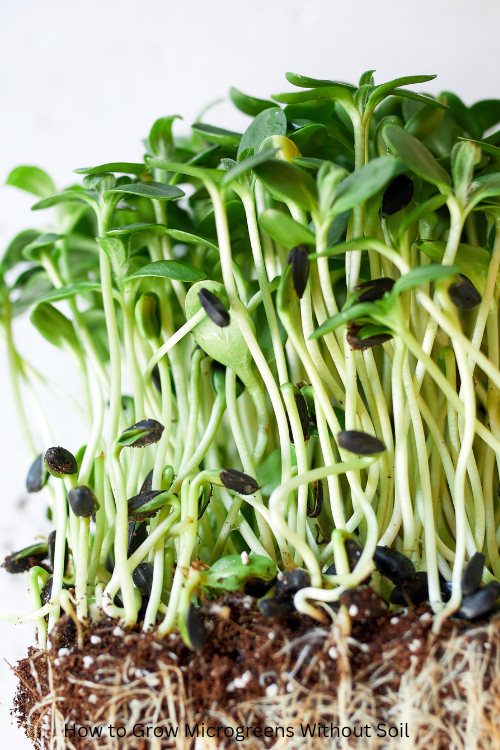
What Are Microgreens?
Microgreens are young edible plants harvested after the first true leaves begin to develop. They are larger than sprouts but younger than mature greens.
Common varieties include:
- Radish: Fast-growing with a peppery flavor
- Broccoli: Mild and slightly sweet
- Arugula: Spicy and leafy
- Pea shoots: Crisp with a fresh, pea-like taste
- Sunflower: Nutty and substantial
- Kale: Mild, tender, and easy to grow
- Basil: Fragrant but slower than many other varieties
Microgreens are often added to sandwiches, salads, soups, grain bowls, omelets, and wraps.
Gather the Necessary Supplies
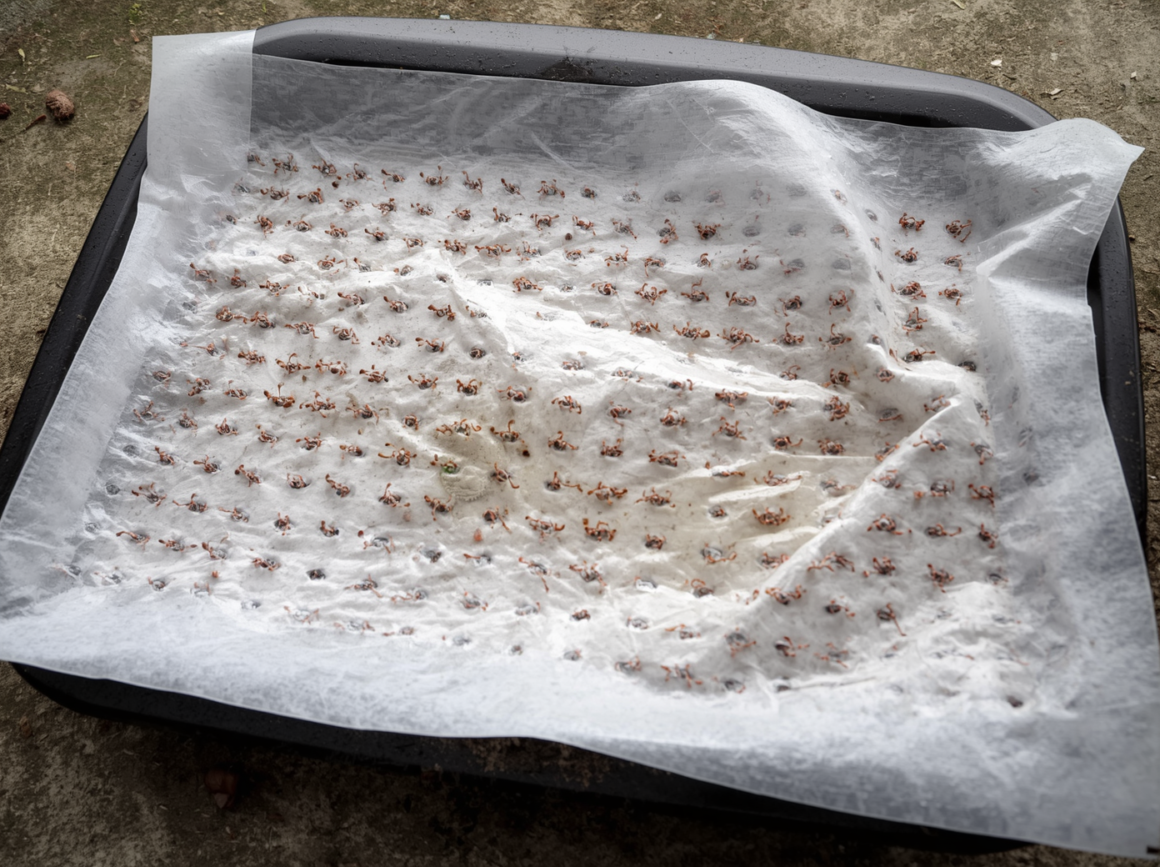
A simple soil-free setup requires only a few items:
- Microgreen seeds
- A shallow growing tray
- A hydroponic grow mat, coco coir mat, or similar medium
- A second tray for watering from below
- Clean water
- A spray bottle
- A bright window or grow light
- A small fan, if airflow is limited
Use seeds sold for microgreens or edible sprouting. Avoid seeds treated with chemicals or seeds intended only for ornamental planting.
A shallow tray with drainage holes works well, although some growers use repurposed food containers. Any recycled container should be thoroughly cleaned, and it must allow excess water to drain. Grow Your Own Microgreens | USU
Prepare the Growing Mat
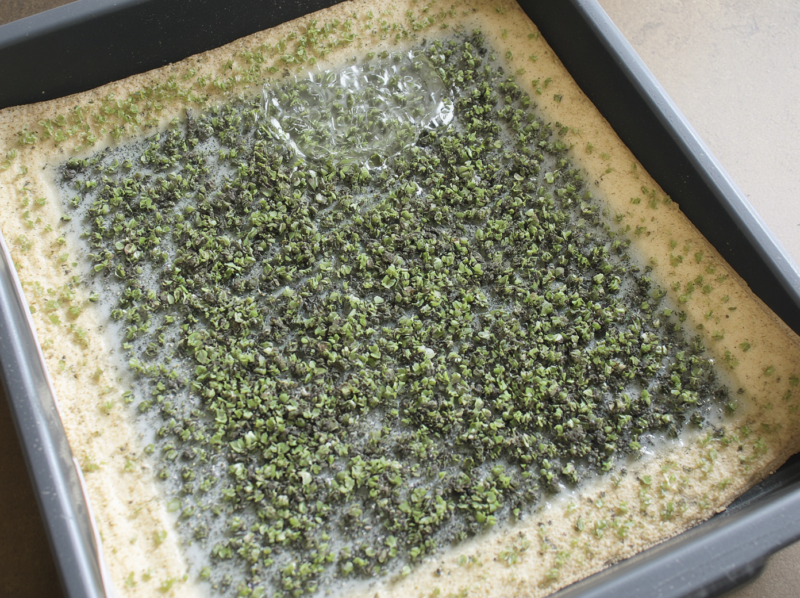
How to Grow Microgreens Without Soil
Cut the growing mat to fit inside the tray. Place it evenly across the bottom and wet it thoroughly with clean water.
The mat should be damp but not floating in water. If it is extremely dry, allow it to absorb water for several minutes before sowing.
Different materials hold water differently. Coco mats may need more frequent watering, while thicker fiber mats can retain moisture longer. The surface should remain moist throughout germination without becoming soggy.
Sow the Seeds Evenly
Scatter the seeds across the surface of the mat. Aim for a fairly even layer rather than placing all the seeds in one area.
Do not create thick piles of seed. Overcrowding reduces airflow and can encourage mold. Larger seeds, such as peas and sunflowers, may need to be soaked beforehand according to the seed supplier’s directions.
Mist the seeds gently after sowing. Then cover the tray with a second tray, a humidity dome, or another clean cover that blocks most light.
Covering the tray helps maintain humidity and encourages even germination. Check it daily so the mat does not dry out.
Manage the Germination Period
During the first few days, keep the tray in a warm location away from direct sunlight. The exact germination time depends on the crop.
Typical examples include:
- Radish: about one week
- Broccoli: roughly eight to twelve days to harvest
- Pea shoots: around eight to ten days
- Sunflower: approximately nine to ten days
- Arugula: about six to eight days
- Basil: often twelve to sixteen days
These timeframes are general estimates. Temperature, seed quality, light, and moisture all affect growth.
Once most seeds have sprouted and the shoots begin pressing against the cover, remove it. Leaving the cover on too long can trap excess moisture and reduce airflow.
Provide Strong Light
After germination, microgreens need bright light. A sunny window may work, although plants can lean toward the glass if the light is weak or comes from only one direction.
A grow light provides more even growth. Position it according to the manufacturer’s instructions and keep it on a consistent schedule. The plants should receive enough light to develop sturdy stems and strong color.
If the shoots become tall, thin, and pale, they likely need more light. Move the light closer if appropriate or choose a brighter growing location.
Water From the Bottom
Bottom watering is one of the easiest ways to grow cleaner, healthier microgreens. Add water to the lower tray and allow the mat to absorb it through the drainage holes.
After several minutes, pour away any remaining water. Do not let the tray sit in standing water for long periods.
Bottom watering keeps the foliage drier and reduces the chance of splashing soil or debris onto the edible leaves. It also encourages the roots to grow downward into the moist mat.
Check the tray at least once a day. Small mats can dry out quickly, particularly in homes with warm air or low humidity.
Improve Airflow
Good airflow helps prevent excessive moisture from building around the stems and leaves. A small fan set on low nearby can improve circulation, but it should not blast the plants or dry the mat.
Avoid placing trays tightly against walls or crowded among other houseplants. Leave space around the container so air can move freely.
If you notice a musty smell, slimy stems, or fuzzy growth spreading across the tray, remove the affected crop. Mold can develop when seeds are sown too thickly, moisture is excessive, or air circulation is poor.
Know the Difference Between Root Hairs and Mold
Some microgreens develop fine white root hairs around the base of the stem. These hairs can look like mold but are usually harmless. They tend to appear evenly around the roots and disappear when the plant is watered.
Mold often appears as irregular fuzzy patches that spread across seeds, stems, or the growing medium. It may also be accompanied by a sour or unpleasant smell.
When in doubt, do not eat questionable growth. Clean the tray thoroughly before starting another crop, and reduce seed density and moisture next time.
Harvest at the Right Time
Most microgreens are ready when they have developed a strong stem and their first true leaves are beginning to appear. Use clean scissors to cut the greens just above the growing mat.
Harvest only what you plan to use soon. Freshly cut microgreens are best stored dry in the refrigerator. Place them in a clean container lined with a paper towel to absorb excess moisture.
Do not wash the entire harvest until you are ready to eat it. Extra moisture can shorten storage life.
Many microgreens are harvested only once because the growing medium is shallow and the plant has limited stored energy. After harvesting, compost the used mat if the material is compostable and clean the tray before starting again.
Best Crops for Beginners
Radish
Radish microgreens are fast, colorful, and forgiving. Their spicy flavor works well in salads, tacos, sandwiches, and rice bowls.
Broccoli
Broccoli microgreens grow evenly and have a mild flavor. They are a good choice if you prefer greens that are not strongly spicy.
Pea shoots
Pea shoots produce thick stems and a satisfying crunch. Soak large seeds before planting if the instructions recommend it.
Sunflower
Sunflower microgreens have a nutty taste and substantial texture. They need enough space because their seeds are relatively large.
Arugula
Arugula grows quickly and adds a peppery flavor to meals. It is a practical choice when you want a small harvest in under two weeks.
Common Problems and Solutions
Seeds are not sprouting: The seeds may be old, the mat may be too dry, or the growing location may be too cold.
Plants are falling over: Improve airflow, reduce overcrowding, and provide stronger light.
The mat smells sour: Too much standing water may be present. Improve drainage and discard the affected crop.
Shoots are pale: Increase light exposure or use a grow light.
The surface dries out quickly: Check moisture more often, use a thicker mat, or move the tray away from heat sources.
Final Thoughts
Growing microgreens without soil is a clean and space-saving way to produce fresh food indoors. Start with a shallow tray, a suitable growing mat, quality seeds, and a reliable watering routine.
Radish, broccoli, pea, and sunflower microgreens are excellent first crops because they grow quickly and offer noticeable results. Once you understand moisture, light, and airflow, you can keep a small rotation of trays growing throughout the year.
Last modified: October 5, 2026
