

Indoor gardening is an easy way to bring more greenery into your home, even if you do not have a backyard, balcony, or large outdoor space. A sunny windowsill, small shelf, or spare corner can become a productive growing area with the right plants and a little regular care.
Many indoor plants fail because of too much water, poor lighting, small containers, or sudden changes in temperature. The good news is that most of these problems are easy to prevent once you understand what plants need.
Whether you want to grow herbs in the kitchen, houseplants in the living room, or vegetables under grow lights, these indoor gardening tips can help you create a healthier and more enjoyable garden at home.
1. Start With Easy Indoor Plants
If you are new to indoor gardening, begin with plants that can handle a little neglect. Some plants are more forgiving when watering is delayed or light conditions are not perfect.
Good beginner-friendly indoor plants include:
- Pothos
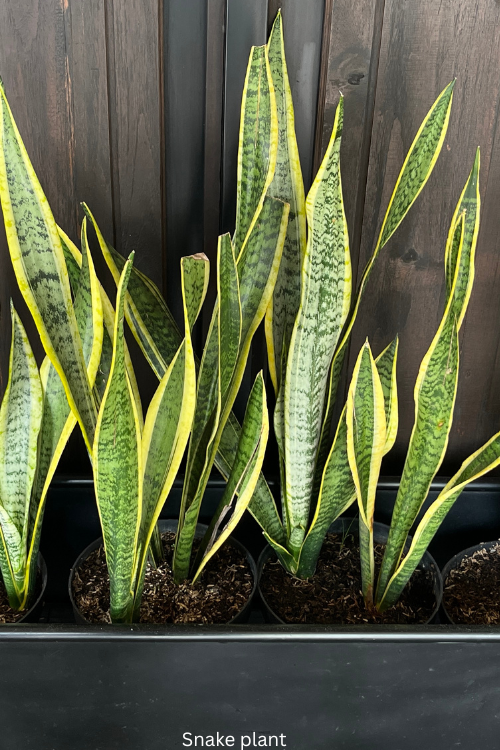
- Snake plants
- Spider plants
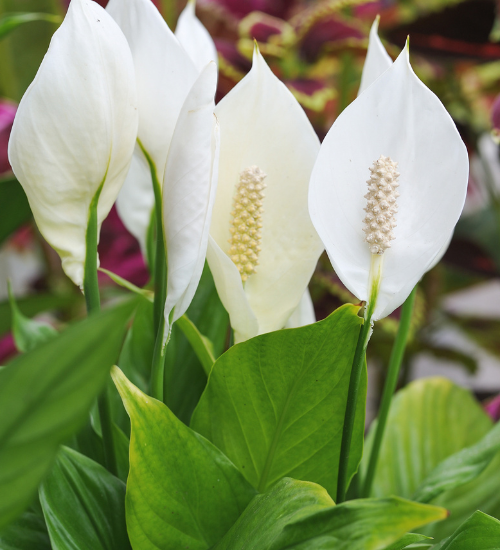
- Peace lilies
- ZZ plants
- Philodendrons
- Aloe vera
- Rosemary
- Mint
- Chives
- Basil
For edible plants, herbs are often easier to grow indoors than large vegetables. Start with one or two plants rather than filling your home with plants that may have different care requirements.
2. Choose the Right Location
The location of an indoor garden affects how well plants grow. Before placing a plant, consider sunlight, drafts, temperature, humidity, and how easy it will be to water.
Most houseplants prefer bright, indirect light. A location near an east-facing window may provide gentle morning sunlight, while a south-facing window usually receives stronger light.
Avoid placing plants directly beside:
- Heating vents
- Air-conditioning units
- Cold windows
- Exterior doors
- Radiators
- Fireplaces
- Areas with constant drafts
A plant may look attractive near a window, but extreme temperature changes can damage leaves and slow growth.
3. Understand Indoor Light
Light is one of the most important indoor gardening factors. Plants use light to create energy, and a room that looks bright to you may still be too dark for certain plants.
Signs of insufficient light include:
- Long, thin stems
- Pale leaves
- Small new growth
- Leaves leaning toward a window
- Slow growth
- Lower leaves falling off
If natural light is limited, use a grow light. LED grow lights are available in different sizes and are useful for herbs, seedlings, succulents, and houseplants.
Place the light according to the manufacturer’s instructions. Many plants need about 12 to 16 hours of light per day when grown under artificial lighting, followed by a period of darkness.
4. Avoid Overwatering
Overwatering is one of the most common indoor gardening mistakes. People often water plants on a fixed schedule even when the soil is still wet.
Before watering, check the soil with your finger. If the top inch feels dry, the plant may need water. Some plants, such as succulents and snake plants, prefer the soil to dry more deeply between waterings.
Water slowly until a small amount drains from the bottom of the container. Empty any water that collects in the saucer so the roots are not left sitting in moisture.
General watering guide
| Plant Type | Watering Preference |
|---|---|
| Succulents | Let soil dry well between watering |
| Tropical houseplants | Water when the top inch is dry |
| Herbs | Keep soil lightly moist but not soggy |
| Seedlings | Keep soil evenly moist |
| Snake plants | Water sparingly |
| Ferns | Prefer consistent moisture and humidity |
These are general guidelines. The amount of water a plant needs also depends on light, temperature, pot size, soil, and humidity.
5. Use Containers With Drainage Holes
A decorative pot may look beautiful, but it must provide proper drainage. Without drainage holes, extra water can collect around the roots and cause root rot.
Choose containers with at least one drainage hole. If you want to use a decorative outer pot, place the plant in a plastic nursery pot inside it. Remove the inner pot when watering and allow it to drain before returning it.
Do not rely on a layer of rocks at the bottom of a pot to fix poor drainage. Water can still collect above the rock layer. A drainage hole and suitable potting mix are more effective.
6. Use the Right Potting Mix
Indoor plants should not usually be planted in heavy garden soil. Outdoor soil can become compacted inside a container and may contain insects, weed seeds, or disease organisms.
Use a quality indoor potting mix. Different plants may need different blends.
For example:
- Succulents need a fast-draining mix
- Tropical plants prefer a loose, moisture-holding mix
- Herbs need fertile but well-drained soil
- Seedlings benefit from a light seed-starting mix
- Orchids need a specialized bark-based mix
Do not pack the soil tightly around the roots. Loose soil allows air and water to move through the container.
7. Give Plants Enough Humidity
Indoor air can become very dry, especially during winter when heating systems are running. Low humidity can cause brown leaf tips, curled leaves, and slow growth.
You can increase humidity by:
- Grouping plants together
- Using a room humidifier
- Placing plants in a naturally humid bathroom
- Keeping plants away from heating vents
- Using a pebble tray beneath the pot
If using a pebble tray, keep the water level below the top of the pebbles. The bottom of the pot should not sit directly in water.
Misting leaves may provide temporary moisture, but it does not always increase humidity for long. Excess moisture on leaves can also encourage fungal problems if airflow is poor.
8. Rotate Plants Regularly
Plants naturally grow toward light. If a plant stays in one position, it may become uneven or lean toward the window.
Turn indoor plants a quarter turn every week or two. This encourages more balanced growth and helps all sides of the plant receive light.
Do not rotate plants suddenly from a dark area into strong direct sunlight. Gradual changes are less likely to cause leaf scorch.
9. Fertilize During Active Growth
Indoor plants need nutrients, but adding too much fertilizer can damage roots and create salt buildup in the soil.
Most plants grow actively during spring and summer. This is usually when they benefit most from regular feeding. Growth may slow during fall and winter, so fertilizer may need to be reduced or stopped.
Use a balanced liquid fertilizer according to the label directions. Never assume that using extra fertilizer will make plants grow faster. Strong fertilizer can burn roots and cause brown leaf edges.
If a white crust appears on the soil surface, flush the container with clean water and allow it to drain thoroughly.
10. Repot Plants When Necessary
A plant may need a larger container when roots begin growing through the drainage holes, the soil dries very quickly, or growth has slowed despite good care.
Other signs include:
- Roots circling tightly around the pot
- The plant becoming top-heavy
- Soil pulling away from the sides
- Water running straight through the container
- Frequent wilting after watering
Choose a pot only one or two sizes larger. Moving a small plant into a very large container can leave too much wet soil around the roots.
Repot during active growth when possible. Handle the roots gently and water the plant lightly after repotting.
11. Keep Leaves Clean
Dust can collect on leaves and block some light. It can also make it more difficult to notice pests or disease.
Wipe large leaves with a soft, damp cloth. For smaller plants, a gentle rinse in the shower may work. Allow leaves to dry in a place with good airflow.
Do not use household cleaners, cooking oils, or shiny leaf products. These can damage leaf surfaces and interfere with natural plant functions.
12. Check for Indoor Plant Pests
Indoor plants can attract spider mites, fungus gnats, mealybugs, scale, and aphids. Inspect new plants before bringing them home and check leaves regularly.
Look underneath leaves and around stems for:
- Tiny moving insects
- Sticky residue
- Fine webbing
- White cotton-like spots
- Yellow speckling
- Distorted new growth
Separate an infested plant from other plants. Wipe leaves with a damp cloth and use an appropriate insecticidal soap or other treatment labeled for indoor plants.
Fungus gnats are often linked to constantly wet soil. Allowing the top layer of soil to dry can help reduce their numbers.
13. Grow Herbs in the Kitchen
A kitchen windowsill can be a convenient place to grow herbs. Basil, chives, thyme, oregano, parsley, and mint can all be grown indoors with enough light.
Use containers with drainage holes and place the herbs near a bright window. Harvest regularly by trimming the stems just above a leaf pair. This encourages bushier growth.
Mint can spread quickly, so grow it in its own container. Basil may need extra light during winter because natural sunlight is weaker.
14. Start Seeds Indoors
Starting seeds indoors gives young plants a head start before the outdoor growing season. Use a seed-starting mix and small containers with drainage.
Seedlings need:
- Bright light
- Even moisture
- Good airflow
- Warmth
- Adequate spacing
Once seedlings develop their first true leaves, they may need to be moved into larger containers. Before planting them outdoors, gradually expose them to outdoor conditions over several days. This process helps prevent transplant shock.
15. Avoid Crowding Plants
A crowded indoor garden can reduce airflow and make it easier for pests and disease to spread. Leave enough space between plants for leaves to grow without touching constantly.
Arrange plants according to their mature size. Place trailing plants on shelves, tall plants on the floor, and smaller plants on windowsills or tables.
Vertical shelves can increase growing space, but make sure each plant still receives adequate light.
16. Keep a Simple Care Routine
Indoor gardening becomes easier when you check plants regularly rather than waiting until a problem becomes severe.
Once or twice a week:
- Check the soil
- Look for pests
- Inspect leaves
- Rotate plants
- Remove dead growth
- Check for new growth
- Empty water from saucers
- Clean dusty leaves if needed
A quick routine takes only a few minutes and helps you notice changes early.
Common Indoor Gardening Mistakes
One common mistake is assuming every plant needs the same amount of water. Succulents, herbs, ferns, and tropical plants have different needs.
Another mistake is placing plants in a dark corner because they look good there. If the location lacks light, the plant may slowly decline.
Avoid changing several conditions at once. If you move a plant, repot it, fertilize it, and change its watering schedule on the same day, it can be difficult to know what caused a problem.
Start with the basics: light, water, drainage, and suitable soil.
Frequently Asked Questions
What is the easiest plant to grow indoors?
Pothos, snake plants, spider plants, and ZZ plants are popular beginner choices because they tolerate a range of indoor conditions.
How often should indoor plants be watered?
Water when the soil moisture matches the plant’s needs. Check the soil instead of following a strict calendar.
Can indoor plants grow without sunlight?
Some plants can survive in low light, but most need some natural or artificial light to grow well. A grow light can help in dark rooms.
Why are my indoor plant leaves turning brown?
Brown leaves may result from dry air, underwatering, too much fertilizer, poor-quality water, root problems, or excessive sunlight.
Should I mist my houseplants?
Misting can temporarily add moisture to leaves, but it may not raise room humidity for long. A humidifier or grouping plants together is often more effective.
Final Thoughts
Indoor gardening can be simple when you focus on the conditions that matter most. Choose plants that match your home’s light, use containers with drainage holes, water according to the soil, and provide the right potting mix.
You do not need a greenhouse or a large collection of plants to enjoy gardening indoors. A few herbs on a sunny windowsill or several easy-care houseplants can bring life to your home throughout the year.
Pay attention to small changes, adjust care gradually, and give plants time to settle into their environment. With these indoor gardening tips, you can build a healthy indoor garden that is attractive, useful, and easier to maintain.
Last modified: October 1, 2026
