

Sandy soil is easy to dig, warms quickly in spring, and drains faster than many other soil types. Those qualities can be helpful, but they also create familiar gardening problems: plants wilt soon after watering, nutrients disappear quickly, and the soil may feel dry only a day or two after rain.
The solution is not to turn sandy soil into heavy clay. A better approach is to gradually increase its organic matter, improve its ability to hold moisture, and adjust watering and fertilizing habits.
With steady improvement, sandy soil can become productive and pleasant to work with. The most effective changes usually come from repeated additions of finished compost, organic mulch, cover crops, and thoughtful irrigation.
How to Tell Whether You Have Sandy Soil
How to Improve Sandy Soil for a Vegetable Garden
Sandy soil contains relatively large particles and usually feels gritty between your fingers. When dry, it may appear loose and pale. When wet, it often fails to hold together in a ball.
A simple test can provide a rough indication:
- Take a handful of slightly damp soil.
- Squeeze it firmly.
- Open your hand and observe what happens.
If the soil falls apart immediately, it may contain a high proportion of sand. If it forms a weak ball but breaks easily, it may be a sandy loam. A soil test provides a more dependable analysis of texture, pH, nutrients, and organic matter.
Not all sandy soils behave the same way. A garden with some silt and organic matter may need only modest improvement, while extremely sandy soil may require several seasons of regular amendments.
Why Sandy Soil Dries Out Quickly
The large spaces between sand particles allow water to move rapidly downward. This creates excellent drainage, but it also means that water may move below the main root zone before plants can use it.
Sandy soil also tends to hold fewer nutrients because dissolved nutrients can be carried away with water. Nitrogen is especially vulnerable to leaching, so applying a large amount of fertilizer at once can be wasteful and may damage plants.
Organic matter helps create smaller spaces that hold water and nutrients while still preserving drainage. Research from the University of Minnesota notes that adding organic matter can produce a particularly noticeable improvement in plant-available water in coarse-textured soils. The connection between soil organic matter and soil water
Start With a Soil Test
Before adding lime, fertilizer, sulfur, or large quantities of compost, test the soil.
A soil test can help answer important questions:
- Is the pH suitable for your crops?
- Does the soil contain enough phosphorus and potassium?
- Is nitrogen likely to be limiting?
- How much organic matter is present?
- Are there salinity or contamination concerns?
Gardeners often add amendments based on appearance alone, but sandy soil can be low in some nutrients and excessive in others. Testing helps you spend money more effectively and prevents unnecessary fertilizer buildup.
Follow the recommendations from the soil-testing laboratory. Do not assume that every garden needs lime or the same fertilizer blend.
Add Finished Compost Regularly
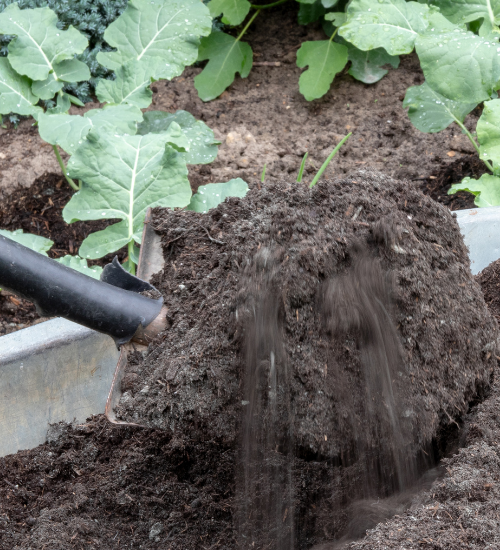
Finished compost is one of the most useful amendments for sandy vegetable soil. It contributes organic matter, improves moisture retention, and supports biological activity.
Spread approximately 1 to 2 inches of finished compost over the bed and mix it lightly into the upper few inches of soil before planting. You can also apply compost as a surface layer around established plants.
The goal is consistency rather than a one-time transformation. Adding a moderate amount every year is generally more practical than adding a huge amount once.
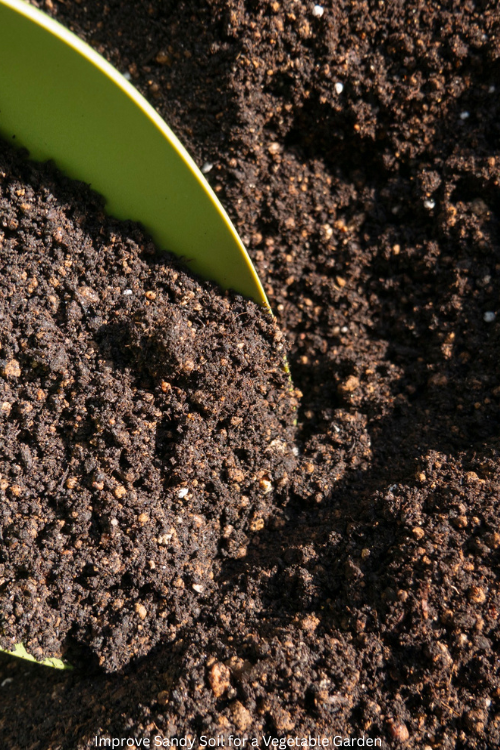
Compost should be dark, crumbly, and earthy-smelling. Avoid using unfinished compost that still contains recognizable food scraps, generates heat, or has a strong ammonia odor.
Compost can improve sandy soils by helping them retain moisture and nutrients, but applying excessive amounts may create nutrient or salt problems. Less is More: How to Apply Compost in Your Vegetable Garden
Use Organic Mulch on the Soil Surface
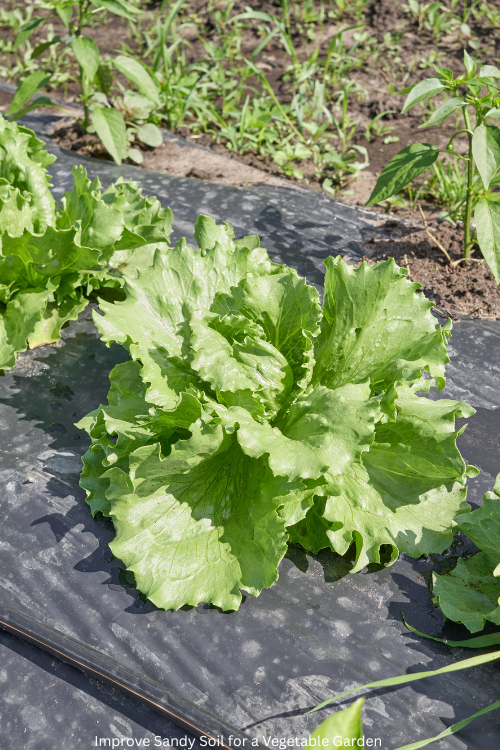
Mulch is especially valuable when soil dries quickly. It reduces evaporation, protects the surface from heavy rain, and moderates temperature around plant roots.
Good options include:
- Shredded leaves
- Straw
- Chopped grass clippings
- Pine needles
- A thin layer of finished compost
- Well-aged wood-based mulch around pathways and permanent plantings
For vegetables, apply mulch after seedlings are established and the soil has warmed. Keep it a few inches away from plant stems to reduce the chance of rot and pest problems.
Mulch should be thick enough to shade the soil but not so thick that water cannot reach the roots. A layer of 2 to 4 inches is often suitable, depending on the material.
Organic mulches gradually break down and add small amounts of organic matter to the soil. Mulching also reduces maintenance by suppressing weeds. Mulching for soil and garden health | UMN Extension
Water Slowly and Deeply
Frequent light watering may wet only the upper inch of sandy soil. That encourages shallow roots and leaves plants vulnerable during hot weather.
Instead, water slowly enough for moisture to move into the root zone. Drip irrigation or soaker hoses are useful because they deliver water close to the soil surface with less evaporation.
Check the soil before watering. Push a finger several inches into the bed or use a hand trowel to inspect the root zone. If the soil is dry below the surface, water deeply. If it is still moist, wait.
Newly planted seeds and seedlings need more frequent attention because their roots are shallow. Once established, many vegetables benefit from deeper, less frequent watering.
Fertilize in Smaller Applications
Sandy soil often loses nutrients more quickly than heavier soil. Instead of applying a large dose of fertilizer once, divide the recommended amount into smaller applications during the growing season.
A soil test should guide your fertilizer choices. Avoid applying fertilizer simply because a plant looks slightly pale; yellow leaves may result from watering problems, disease, root damage, or other causes.
For crops that need steady nutrition, side-dress with a modest amount of compost or an appropriate fertilizer according to the label. Keep granular fertilizer away from stems and water after applying it.
Too much fertilizer can burn roots and increase nutrient loss. More is not a shortcut to healthier plants.
Grow Cover Crops Between Seasons
Cover crops can protect sandy soil between vegetable plantings. Their roots help hold soil in place, while the plant material contributes organic matter when managed correctly.
Possible cover crops include:
- Oats
- Winter rye
- Crimson clover
- Hairy vetch
- Field peas
- Tillage radish
The best choice depends on your climate, planting date, and whether you want the crop to winter-kill or survive until spring. Early fall crops such as oats and peas need enough time to establish before freezing, while winter rye, winter wheat, hairy vetch, and red clover can overwinter in many regions. Best practices for planting fall cover crops
Before planting a cover crop, check whether it is suitable for your area and vegetable rotation. Some crops can become difficult to manage if allowed to mature and set seed.
Avoid Adding Clay to Sandy Soil
A common suggestion is to mix clay into sandy soil. This usually creates more problems than it solves unless the process is carefully engineered at a large scale.
Small amounts of clay mixed unevenly with sand can create a dense, concrete-like texture. Compost, leaf mold, aged organic matter, and cover crops are safer choices for improving home garden soil.
The goal is to increase organic matter and biological activity, not to create an artificial soil mixture from unrelated materials.
Use Raised Beds Carefully
Raised beds can improve sandy soil management, but simply building a frame around the existing soil will not solve moisture loss. The bed still needs an appropriate growing mix and reliable irrigation.
If filling a new raised bed, combine quality topsoil with finished compost rather than using pure compost. Pure compost can shrink, dry unevenly, or contain excessive nutrients and salts.
Raised beds also drain faster because they are elevated above the surrounding ground. Mulch and drip irrigation are especially helpful in raised beds built over sandy ground.
Choose Crops That Tolerate Fast Drainage
Some crops perform well in sandy soil once watering and fertility are managed. Possible choices include:
- Carrots
- Radishes
- Potatoes
- Sweet potatoes
- Asparagus
- Herbs such as thyme and rosemary
- Bush beans
- Peanuts in suitable climates
- Melons with regular irrigation
Root crops often appreciate loose soil because their roots can expand without hitting dense clods. However, even drought-tolerant crops need consistent moisture while seeds are germinating and fruits are developing.
Choose varieties suited to your growing season and local climate rather than relying only on soil type.
Common Mistakes When Improving Sandy Soil
Adding too much compost at once
Large quantities can create nutrient imbalances and may be expensive. Moderate annual applications are more sustainable.
Watering only the surface
A quick sprinkle may evaporate before reaching the main roots.
Applying fertilizer without testing
Sandy soil may be nutrient-poor, but guessing can lead to unnecessary or excessive applications.
Leaving soil bare
Bare soil loses moisture quickly and is more vulnerable to erosion. Mulch or cover crops can protect it.
Working soil when it is very dry
Dry sandy soil can become dusty and difficult to amend evenly. Slightly moist conditions are easier to work with.
A Simple Improvement Plan
For a new vegetable bed, use this approach:
- Have the soil tested.
- Remove weeds and loosen compacted areas.
- Add a moderate layer of finished compost.
- Install drip irrigation or plan a slow watering method.
- Add organic mulch after planting.
- Apply fertilizer only according to soil-test or crop needs.
- Grow a cover crop when the bed would otherwise remain bare.
- Repeat compost and mulch applications each season.
The soil may not look dramatically different after one year, but its behavior should gradually improve. Plants should remain hydrated longer, watering should become more predictable, and the bed should develop a darker, more crumbly texture.
Conclusion
The best way to improve sandy soil for a vegetable garden is to build organic matter over time. Finished compost, organic mulch, cover crops, and careful watering can help sandy soil hold moisture and nutrients without sacrificing drainage.
Start with a soil test, make moderate changes, and observe how your plants respond. With patience and regular care, sandy soil can support productive vegetables, healthy roots, and a much easier gardening routine.
Last modified: October 2, 2026
