

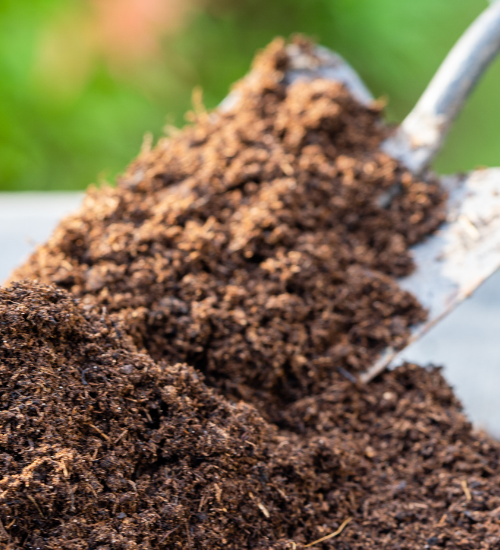
Clay soil can make gardening feel harder than it needs to be. It turns sticky after rain, dries into hard clumps during hot weather, and can seem impossible to dig. Water may sit on the surface, yet plants can still struggle because their roots cannot get enough air.
The good news is that clay soil is not useless soil. It often holds nutrients well and can become productive, crumbly ground when you improve it gradually. The most reliable approach is to add organic matter, avoid working the soil when it is wet, and choose plants that can handle the conditions while the soil improves.
Here is how to improve clay soil for a garden without wasting money on quick fixes that create more problems later.
First, confirm that you have clay soil
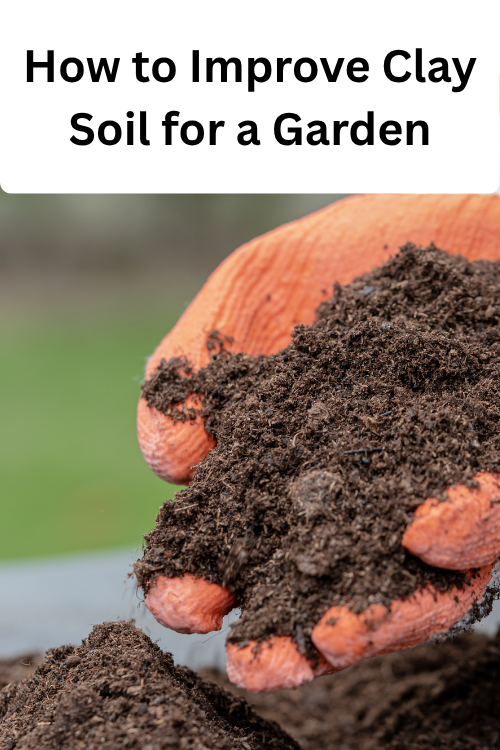
A simple hand test gives you a useful clue. Take a small handful of soil when it is damp but not soaking wet. Squeeze it into a ball, then try to roll it into a short ribbon between your fingers.
If it forms a smooth, flexible ribbon and feels sticky, it probably contains a high amount of clay. Sandy soil will usually fall apart quickly, while loamy soil forms a ball but breaks apart more easily.
A soil test is still worthwhile before you add lime, fertilizer, or other products. Clay soil can be acidic, neutral, or alkaline, and its texture does not tell you the pH. A test can also show whether nutrients such as phosphorus or potassium are already high.
Add compost regularly
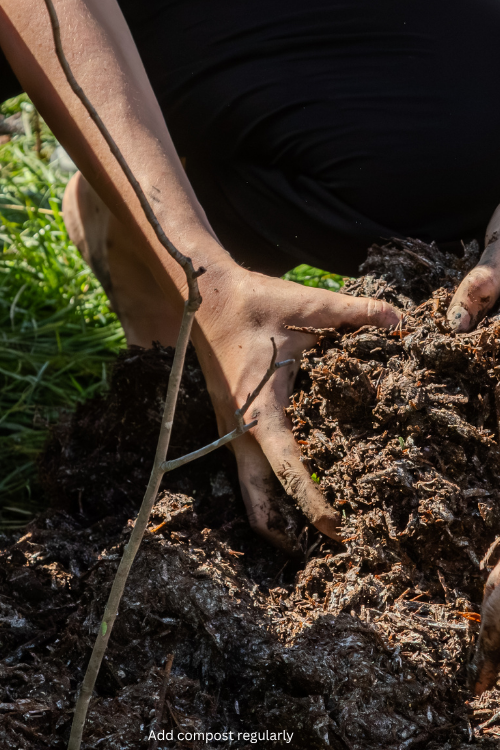
The best long-term amendment for most heavy clay gardens is organic matter. Finished compost, homemade leaf mold, well-rotted manure, and other mature organic materials help create spaces between tightly packed clay particles.
Spread a layer about 2 to 3 inches deep over the planting area. Work it gently into the top few inches of soil if the ground is workable, or leave it on the surface as mulch. Earthworms and soil organisms will gradually carry organic matter downward.
Repeat this process once or twice a year, especially when preparing a new bed. One large application may make a visible difference, but regular smaller additions are easier on your back and better for steady soil improvement.
Use only finished compost
Fresh manure and unfinished compost can damage roots, smell unpleasant, or temporarily tie up nitrogen as they break down. Good compost should be dark, crumbly, and earthy-smelling. If you are unsure, let it mature longer before using it around vegetables or young plants.
Composted material from a reputable source is also less likely to contain weed seeds or unwanted residues.
Do not add sand to heavy clay
Mixing sand into clay soil sounds logical because sand drains quickly. In practice, adding a small amount of sand to a large amount of clay can create a dense, cement-like mixture. The amount of sand needed to change the texture significantly would be expensive and difficult to distribute evenly.
Compost and other organic matter are a safer choice for a home garden. They improve structure while also supporting beneficial organisms and adding some nutrients.
Avoid digging clay when it is wet
Wet clay compacts easily. Walking on it, turning it over, or driving a wheelbarrow across it can squeeze out the air spaces that roots need. It may also form hard clods that remain after the soil dries.
To check whether the soil is ready, squeeze a handful. If it stays as a shiny, sticky ball, wait a few days. The soil should crumble when pressed rather than smear across your hand.
If you need to plant while the surrounding ground is damp, work from a path or board so your weight stays off the bed.
Improve drainage without removing all the soil
Clay soil often drains slowly because water cannot move through its fine particles quickly. Organic matter helps, but some sites need a little extra planning.
Build raised beds
Raised beds are useful for vegetable gardens and small planting areas. Fill them with a quality topsoil and compost blend rather than placing a thin layer of soil over compacted clay. A deeper bed gives roots more usable space and lets excess water move away from the planting surface.
Do not line the bottom with plastic. It can trap water. Instead, loosen the existing soil underneath when it is dry enough to work and make sure the bed does not sit in a natural low spot where rain collects.
Create planting mounds
For individual shrubs, herbs, or ornamental plants, a low mound can lift the root zone above soggy ground. Blend compost into the native soil and shape a broad, gently sloping mound. Avoid a narrow cone, which can dry out quickly and allow water to run away from the roots.
Use a simple drainage test
Dig a hole about 12 inches deep and fill it with water. Let it drain, then fill it again and observe how quickly the water disappears. If water remains for many hours, the site may have serious drainage limitations. In that case, choose moisture-tolerant plants or consider a dedicated rain garden rather than forcing plants that need dry soil to survive.
Mulch the surface every year
Mulch protects clay soil from both pounding rain and intense sun. A 2- to 3-inch layer of shredded bark, leaf mold, compost, or other suitable organic mulch helps maintain even moisture and gradually feeds the soil as it decomposes.
Keep mulch a few inches away from plant stems and tree trunks. Mulch piled against bark can encourage rot and provide shelter for pests.
Avoid very fine mulch applied in a thick layer. It can mat together and prevent water from soaking in. Coarser materials usually allow better air movement.
Grow cover crops in empty beds
A cover crop can protect unused garden soil between growing seasons. Plants such as oats, crimson clover, field peas, or annual ryegrass cover the surface, reduce erosion, and add roots that help create channels through the soil.
Choose a cover crop suited to your climate and planting season. Before it sets seed, cut it down and leave the material on the surface as mulch, or lightly incorporate it according to the crop and your garden system. Allow fresh plant material time to break down before planting delicate seedlings.
For a small backyard bed, even a season of living roots can make the soil easier to work.
Choose plants that tolerate clay soil
Soil improvement takes time. You can make the garden more successful immediately by choosing plants that tolerate heavy, moisture-retentive ground.
For sunny areas, consider plants such as daylily, black-eyed Susan, coneflower, switchgrass, hardy geranium, and bee balm, depending on your local climate. For partly shaded areas, hosta, astilbe, coral bells, and some fern varieties may perform well. Always check the mature size, sunlight needs, and hardiness of a plant before buying it.
For vegetables, raised beds can make growing carrots, onions, and other root crops easier. Leafy greens, beans, squash, and many brassicas can grow well when the soil is amended and drainage is reasonable.
Planting in clay does not mean ignoring moisture. A plant that tolerates clay may still fail in a place that stays waterlogged for days.
Plant trees and shrubs correctly
A common mistake is digging a deep, narrow hole in clay, filling it with loose compost, and placing the root ball below the surrounding grade. That hole can act like a bowl and collect water around the roots.
Dig a hole two to three times wider than the root ball, but no deeper than the root ball itself. Set the plant so the top of the root ball sits level with or slightly above the surrounding soil. Break up compacted soil on the sides, backfill with the native soil you removed, and water slowly.
A broad mulch ring is more helpful than a deep pocket of rich soil. It encourages roots to move outward into the surrounding ground.
Improve a clay lawn carefully
Clay affects lawns too. Compacted areas may puddle after rain, develop bare patches, or feel hard underfoot. Start by reducing traffic when the soil is wet.
For established cool-season lawns, core aeration can remove small plugs of soil and create temporary pathways for air and water. The best timing depends on the grass type and climate. After aerating, spread a thin layer of compost over the lawn and brush it into the openings.
Do not cover the grass with a thick layer of soil or compost. A light top-dressing applied regularly is less likely to smother turf and is easier to maintain.
Avoid common clay-soil mistakes
Adding too much fertilizer
Clay can hold nutrients, so applying fertilizer without a soil test may create an imbalance or damage plants. Test first and follow the product label if fertilizer is actually needed.
Using peat as the only amendment
Peat can hold moisture, but it does not provide the broad soil-building benefits of compost and other renewable organic matter. Use amendments that fit your local availability and garden goals.
Tilling repeatedly
Frequent tilling can temporarily loosen clay, then leave it compacted again after rain. It can also disturb soil life. Use a garden fork to loosen a small area when necessary, add organic matter, and avoid turning the entire bed over every season.
Expecting a one-season transformation
Clay soil usually improves in stages. You may notice easier digging first, followed by better drainage and stronger plant growth over time. Keep adding organic matter and protect the surface rather than chasing a single dramatic fix.
A simple clay-soil improvement plan
| Season | Useful task |
|---|---|
| Spring | Test the soil, add compost, and plant once the ground is workable |
| Summer | Keep mulch in place, water deeply when needed, and limit traffic |
| Fall | Add compost or leaf mold and plant a suitable cover crop |
| Winter | Keep bare soil covered and avoid walking on saturated beds |
Frequently asked questions
How long does it take to improve clay soil?
You may notice a difference after one season of adding compost and mulch, but lasting improvement often takes several years. Consistent organic matter and reduced compaction matter more than one large amendment.
What is the best compost for clay soil?
Well-finished garden compost, leaf mold, and properly composted manure are all useful. Choose mature, crumbly material without a sour smell, visible weed seeds, or large amounts of undecomposed material.
Can I plant directly into clay soil?
Yes, if the soil is not waterlogged and you choose suitable plants. Improve the planting area with compost, avoid digging when wet, and set trees and shrubs at the correct depth.
Should I use gypsum on clay soil?
Gypsum is not a universal clay-soil cure. It can help certain sodic soils, but it will not reliably improve every clay garden. A soil test can show whether it is appropriate.
How often should I add compost?
A 1- to 3-inch surface application once or twice a year is a practical starting point. Adjust the amount based on the condition of the soil, the needs of your plants, and the quality of the compost.
Conclusion
Learning how to improve clay soil for a garden is mostly a matter of patience and consistency. Add finished compost, mulch the surface, keep people and equipment off wet beds, and choose plants suited to the moisture conditions. Raised beds and planting mounds can help where drainage is especially poor, while cover crops protect empty ground and add living roots.
Clay soil rarely changes overnight, but it can become healthier, easier to work, and much more productive with steady care. Build the soil a little each season, and your garden will reward you with stronger roots and fewer frustrating puddles.
Other Post:
backyard landscaping ideas for small spaces
beginner-friendly garden design tips
Last modified: September 29, 2026
