

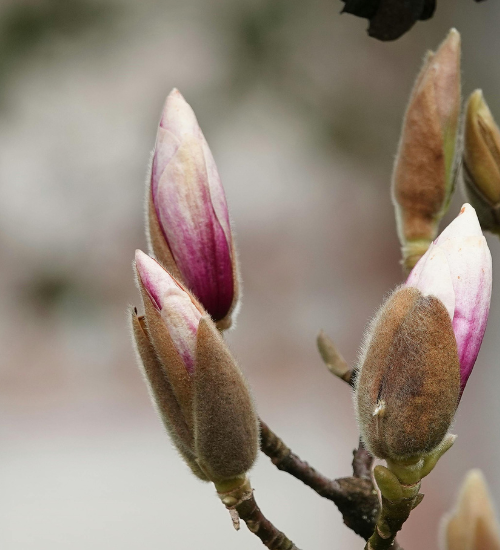
Few garden problems are more disappointing than watching healthy-looking flower buds turn brown, shrivel, or fall before they open. The plant may have green leaves and appear vigorous, yet the flowers never reach their full display.
If you are wondering why flower buds turn brown before opening, begin by examining the pattern. Brown buds can result from inconsistent watering, extreme temperatures, fungal disease, insect damage, poor air circulation, or natural aging. The correct solution depends on the symptoms.
Start With a Close Inspection
Before treating the plant, inspect several affected buds and compare them with healthy ones.
Look for:
- Brown spots on petals
- Gray fuzzy growth
- Black specks
- Small holes
- Sticky residue
- Webbing
- Soft or mushy tissue
- Dry, papery buds
- Damage concentrated on one side
- Yellowing leaves or weak stems
Also examine the leaves, stems, and soil. A flower problem rarely occurs in isolation. The plant may be showing signs of root stress, insect feeding, or disease elsewhere.
Do not immediately apply fertilizer or pesticide. Misdiagnosis can make the problem worse and may harm beneficial insects.
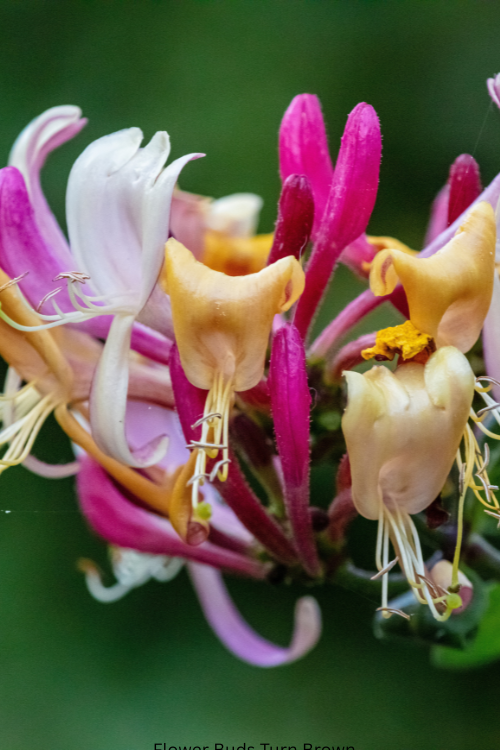
Why Flower Buds Turn Brown Before Opening
Cause 1: Gray Mold
Gray mold, also called Botrytis blight, can cause flower buds to turn brown or black before opening. Affected petals may develop brown spots, and gray fuzzy growth may appear as the disease progresses. Wet weather, crowded planting, and poor airflow encourage the problem. Gray mold in the flower garden | UMN Extension
Gray mold is more likely when:
- Flowers stay wet for long periods.
- Plants are crowded together.
- Spent petals remain on foliage.
- Humidity is high.
- Damaged tissue is left on the plant.
- Air movement is limited.
Remove infected flowers and damaged leaves promptly. Place diseased material in the trash rather than the compost pile unless your compost reaches temperatures sufficient to destroy pathogens.
Water at the base of the plant. Improve spacing and prune only enough to open crowded growth. Avoid excessive pruning during humid weather because fresh wounds can become infection sites.
Cause 2: Inconsistent Watering

Flowering plants need steady moisture while buds develop. Allowing a plant to become severely dry and then soaking it can stress the developing buds.
Underwatering may cause buds to:
- Dry before opening
- Become papery
- Drop from the plant
- Develop brown edges
- Open unevenly
Overwatering can damage roots, leaving the plant unable to supply water even when the soil is wet. In that case, buds may wilt, brown, and fall while the potting mix remains damp.
Check the soil several inches below the surface. If it is dry, water deeply. If it is saturated, pause watering and investigate drainage.
Container flowers often need more frequent watering than flowers growing in garden soil. However, watering frequency varies with pot size, sunlight, wind, temperature, and plant type. Fertilizing and watering container plants | UMN Extension
Cause 3: Extreme Heat
High temperatures can cause flower buds to dry before opening, particularly in containers, hanging baskets, and plants growing beside heat-reflecting walls.
Heat stress is more likely when:
- The plant receives intense afternoon sun.
- The container is small.
- The potting mix dries rapidly.
- Hot wind increases evaporation.
- The plant has recently been transplanted.
- Buds are forming during a heat wave.
Move portable containers to a location with morning sun and afternoon protection. Add a layer of organic mulch to garden beds, keeping it away from the stem.
Do not move a sun-loving flower into deep shade permanently. Temporary relief during extreme heat is different from depriving the plant of the light it needs to bloom.
Cause 4: Cold or Sudden Temperature Changes
Cold nights can interrupt flower development. Tender annuals may produce damaged buds after exposure to temperatures below their preferred range.
Cold injury may appear as:
- Brown or blackened buds
- Limp stems
- Water-soaked petals
- Buds that stop growing
- Flowers that open unevenly
Protect container flowers by moving them near a building or under cover when a cold night is expected. Avoid placing plants directly against heating vents or other hot sources indoors.
If frost damages the buds, remove the dead tissue once the weather improves. The plant may produce new buds if the stems and roots remain healthy.
Cause 5: Insect Damage
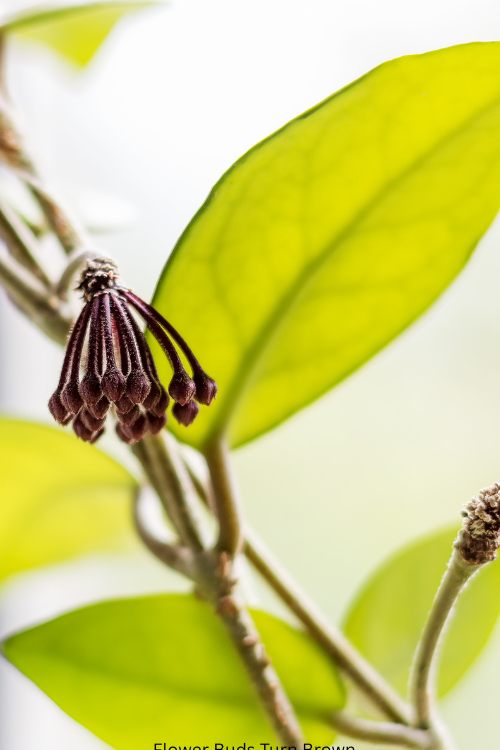
Why Flower Buds Turn Brown Before Opening
Some insects feed directly on developing flower buds. Tobacco budworms, also known as geranium budworms, commonly affect geraniums, petunias, and nicotiana. They can cause irregular holes in buds and flowers, often with dark specks of insect waste nearby. What’s wrong with my plant? : Garden : University of Minnesota Extension
Inspect plants in the late afternoon or evening, when some caterpillars are easier to find. Look under leaves, around buds, and along stems.
Practical steps include:
- Removing visible caterpillars by hand.
- Removing badly damaged buds.
- Checking plants regularly.
- Encouraging birds and beneficial insects.
- Using a labeled biological or low-impact treatment if damage is severe.
Always identify the pest before spraying. Broad-spectrum insecticides may kill pollinators and other helpful insects.
Cause 6: Poor Air Circulation
Crowded plants create a humid environment around leaves and flowers. Moisture dries slowly, which can encourage fungal problems.
Improve airflow by:
- Following the spacing recommendations for the plant.
- Avoiding dense planting in containers.
- Removing diseased leaves.
- Keeping weeds under control.
- Positioning containers where air can move around them.
- Avoiding overhead watering late in the day.
Do not strip away large amounts of foliage at once. Leaves provide energy for flowering, and excessive pruning can create additional stress.
Cause 7: Root Problems
Roots affected by waterlogging, compacted soil, or disease cannot support healthy flowers.
Possible root-related symptoms include:
- Wilting despite damp soil
- Yellow lower leaves
- Slow growth
- Soft stems
- Unpleasant soil odor
- Repeated bud loss
- Roots that are brown and mushy
For container plants, remove the root ball carefully and inspect the roots. Healthy roots are generally firm and pale, tan, or cream-colored, depending on the plant. Trim only clearly dead or rotten roots with clean tools, then repot into fresh, well-drained mix.
For garden plants, improve drainage and avoid watering until the soil has begun to dry.
Cause 8: Natural Flower Aging
Not every brown flower is diseased. Some buds and blooms are simply reaching the end of their natural cycle.
Older flowers may:
- Fade gradually
- Become dry and thin
- Drop petals
- Turn brown after pollination
- Develop seed pods
If only the oldest flowers are affected and new buds look healthy, the plant may simply need deadheading. Remove faded flowers before they produce mature seed if the plant responds well to deadheading.
However, if unopened buds are consistently turning brown, look for an environmental or pest-related cause.
A Simple Diagnosis Table
| Symptom | Likely cause | First response |
|---|---|---|
| Gray fuzz on brown petals | Gray mold | Remove affected tissue and improve airflow |
| Dry, papery buds | Underwatering or heat | Check soil and provide consistent moisture |
| Brown buds with holes | Caterpillars or budworms | Inspect at dusk and remove pests |
| Buds blackened after cold | Temperature injury | Protect plant and wait for new growth |
| Wilted plant in wet soil | Root stress | Improve drainage and pause watering |
| Old flowers fading evenly | Natural aging | Deadhead spent blooms |
| Browning in crowded, humid growth | Poor airflow or fungal disease | Thin carefully and water at the base |
What Not to Do
Avoid several common reactions.
Do not add fertilizer immediately
Fertilizer cannot repair damaged buds and may stress roots if the plant is already struggling.
Do not water every day automatically
Check the soil first. More water can worsen root problems.
Do not spray without identifying the problem
A fungicide will not solve caterpillar damage, and insecticide will not correct drought stress.
Do not compost diseased flowers casually
Diseased material can spread problems if the compost pile does not heat sufficiently.
Do not remove all the leaves
The plant needs healthy foliage to produce energy for future flowers.
How to Prevent Brown Buds
Prevention begins with consistent care:
- Choose plants suited to the available light.
- Use containers with drainage holes.
- Water deeply when the root zone begins to dry.
- Avoid keeping soil constantly saturated.
- Provide adequate spacing.
- Remove diseased tissue promptly.
- Monitor buds during hot and humid weather.
- Inspect for insects regularly.
- Protect tender plants from sudden cold.
- Deadhead faded flowers when appropriate.
If you still wonder why flower buds turn brown before opening, compare the timing with recent weather and watering. Browning after several hot, dry days suggests stress from moisture loss. Browning during damp, crowded conditions suggests disease. Browning with holes or dark specks suggests insects.
A careful inspection usually reveals more than a quick treatment. Once the cause is corrected, the plant may need time to produce a new flush of healthy buds.
Last modified: October 18, 2026
