

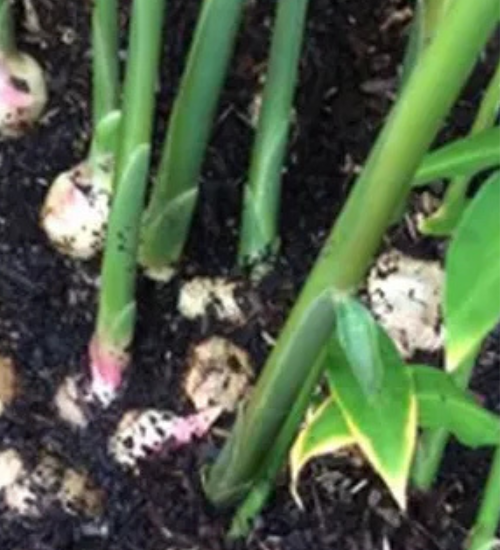
Growing ginger in a pot is a rewarding project for gardeners who want fresh flavor without needing a large outdoor garden. Ginger grows from a rhizome, the knobby underground stem commonly sold in grocery stores, and it can produce attractive leafy shoots before developing more rhizomes beneath the soil.
The process is not difficult, but ginger is slow-growing and needs warmth, moisture, and patience. With the right container and growing conditions, you can grow ginger indoors on a sunny porch, in a greenhouse, or beside a bright window.
Choose the Right Ginger Rhizome
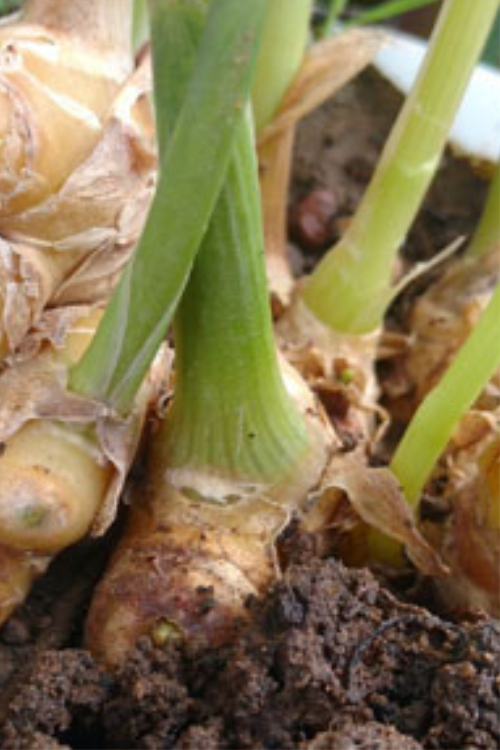
Start with a fresh, healthy piece of ginger. Look for a firm rhizome with smooth skin and several visible growth buds, sometimes called “eyes.”
Avoid ginger that is:
- Soft or wrinkled
- Moldy
- Extremely dry
- Damaged by deep cuts
- Covered with dark, spreading decay
Organic ginger may sprout more readily, but conventional ginger can also work. Some grocery-store rhizomes are treated to slow sprouting, so success may vary.
Choose a piece that is several inches long and contains multiple buds. You can plant it whole or divide it into sections, provided each section has at least one healthy growth bud.
Let the Rhizome Sprout
Before planting, place the ginger in a warm location with indirect light. You can set it on a plate or shallow dish and keep it slightly moist, but do not soak it in standing water.
Some gardeners plant ginger directly, while others wait for small shoots to appear. Pre-sprouting helps you identify viable pieces and gives the plant a head start.
If you divide the rhizome, allow freshly cut pieces to sit for a day or two so the cut surfaces can dry slightly. This can reduce the chance of rot when the pieces are planted.
Select a Wide Container
Ginger grows outward as new rhizomes develop, so a wide container is usually more useful than a narrow, deep pot.
Choose a container that:
- Is at least 12 inches wide
- Has drainage holes
- Is sturdy enough to support mature foliage
- Provides room for several inches of growing medium
- Can be moved if temperatures change
A shallow storage tub or wide grow bag can work if it has proper drainage. Do not use a container without holes in the bottom. Ginger needs consistent moisture, but waterlogged soil can cause the rhizome to rot.
Ginger plants can eventually reach roughly 2 to 3 feet tall, so place the container where it will not be knocked over. Growing Ginger and Turmeric at Home – University of Georgia
Use Loose, Well-Drained Potting Mix
Fill the container with a loose potting mix that drains well but holds some moisture. A basic indoor potting mix amended with compost can work well.
Avoid using heavy garden soil by itself. Garden soil may compact inside a container, restrict drainage, and reduce the amount of oxygen around the rhizome.
The growing medium should be:
- Loose and crumbly
- Moisture-retentive but not soggy
- Rich in organic matter
- Free-draining
- Free from large sticks and debris
Leave several inches of space at the top of the container. Ginger rhizomes may gradually push upward as they grow, and the extra space makes it easier to add more potting mix later.
Plant the Ginger Correctly
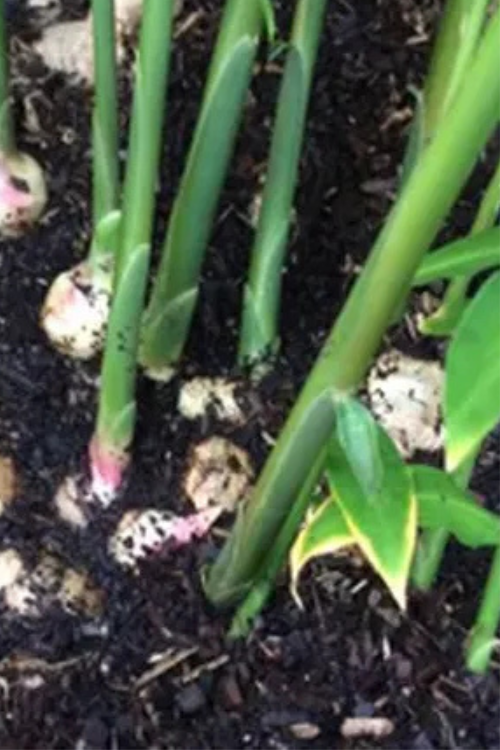
How to Grow Ginger in a Pot Indoors
Place the ginger rhizome horizontally, with the growth buds facing upward. Cover it with approximately 1 to 2 inches of potting mix.
Water gently until the soil is evenly moist. Do not flood the container.
If planting several pieces in one container, leave space between them. Crowding can reduce airflow and make harvesting more difficult later.
Keep the container warm while the ginger is beginning to grow. Ginger is tropical, and cold soil can slow sprouting or encourage rot.
Provide Bright, Indirect Light
Once shoots emerge, place the plant in bright light. A sunny window can work, but strong afternoon sun through glass may scorch the leaves.
Good locations include:
- An east-facing window
- A bright room with filtered light
- A covered porch during warm weather
- A greenhouse with partial shade
- A location beneath a grow light
Ginger can tolerate part shade and does not always need harsh direct sun. If the leaves become pale, stretched, or floppy, the plant may need more light. If leaf tips turn brown and crispy, the light may be too intense, the air may be too dry, or the plant may be experiencing inconsistent watering. How to grow tropical ginger for at-home spice – Illinois Extension
Water Consistently, but Avoid Soggy Soil
Ginger prefers evenly moist soil during active growth. Check the top inch of the potting mix with your finger and water when it begins to feel slightly dry.
Water slowly until a little drains from the bottom of the pot. Empty any water collected beneath the container.
Avoid both extremes:
- Letting the rhizome dry out completely
- Keeping the pot constantly saturated
Yellowing leaves, a sour smell, and soft rhizomes may indicate excess moisture. Brown leaf tips can result from dry soil, intense sunlight, low humidity, or mineral buildup.
Indoor air can be especially dry during winter. Grouping plants together or placing the container near, but not directly on, a humidity tray may help. Do not keep the pot sitting in water.
Feed Ginger During Active Growth
Ginger benefits from regular nutrition while it is producing leaves and rhizomes. Use a balanced liquid fertilizer diluted according to the product label.
Apply fertilizer during active growth rather than when the plant is dormant. Over-fertilizing can damage roots and create excessive leafy growth without improving the harvest.
A thin layer of compost on the soil surface can also provide slow-release nutrients. Keep compost away from the base of the stems and avoid piling it against the plant.
Move Outdoor Plants Inside Before Frost
If your ginger grows outdoors during summer, move the container indoors before freezing temperatures arrive. Ginger does not tolerate frost, and a sudden freeze can damage the foliage and rhizome.
Inspect the plant carefully for:
- Aphids
- Spider mites
- Fungus gnats
- Slugs
- Scale insects
Rinse the foliage and inspect the soil surface before bringing the pot inside. Isolating it from other houseplants for several days can help prevent unwanted pests from spreading.
Ginger may enter dormancy indoors during winter and lose some or all of its foliage. This does not necessarily mean the rhizome has died. Reduce watering while the plant is dormant, but do not allow the rhizome to become completely dry. How to grow tropical ginger for at-home spice – Illinois Extension
Know When Ginger Is Ready to Harvest
Ginger typically needs a long growing season. Depending on the variety and growing conditions, mature rhizomes may take approximately 8 to 10 months to develop. Growing Ginger and Turmeric at Home – University of Georgia
For young, mild ginger, you can harvest earlier. Baby ginger usually has thinner skin and a softer texture.
Signs that the plant is approaching harvest include:
- Leaves turning yellow
- Stems beginning to dry
- Foliage dying back naturally
- A longer growing period behind the plant
To harvest, gently remove some soil from one side of the container and locate the rhizomes. Cut away a section while leaving part of the plant in place, or remove the entire root mass if you want to harvest everything.
Use a clean knife to separate the rhizomes. Brush away excess soil and rinse them before storing.
How to Store Fresh Ginger
Freshly harvested ginger contains more moisture than the dry, mature ginger commonly sold in stores. Allow the surface to dry briefly, then store it in the refrigerator.
You can also:
- Peel and freeze small pieces
- Grate frozen ginger directly into recipes
- Slice it for tea
- Dry it for longer storage
- Preserve it in vinegar or another tested method
Do not store damaged or rotting pieces with healthy ginger. Use or discard them promptly.
Common Problems When Growing Ginger in a Pot
The ginger does not sprout
The rhizome may have been too dry, too cold, or treated to prevent sprouting. Move the container to a warmer location and check that the soil is moist but not wet.
The leaves turn yellow
Yellow leaves can indicate natural dormancy, overwatering, poor drainage, or insufficient nutrition. Check the soil before changing your watering routine.
The leaf tips turn brown
Brown tips may be caused by dry soil, low humidity, excess sunlight, or salt buildup from fertilizer. Flush the container occasionally with clean water and make sure it drains freely.
The rhizome becomes soft
A soft, foul-smelling rhizome is usually suffering from rot. Remove the damaged section and replant only firm, healthy pieces in fresh, well-drained mix.
The plant grows leaves but produces little ginger
Ginger needs a long, warm growing season to develop substantial rhizomes. Small containers, poor light, early harvesting, and inconsistent care can all reduce the final harvest.
Final Thoughts
Growing ginger in a pot indoors takes patience, but the process is simple enough for beginners. Start with a firm rhizome, use a wide container, keep the soil evenly moist, and provide warmth and bright filtered light.
The leafy plant is attractive on its own, and the underground harvest makes the project even more worthwhile. With a long growing season and steady care, one small piece of ginger can produce fresh rhizomes for cooking, tea, and future planting.
Last modified: October 15, 2026
