
I remember my first attempt at plant parenthood it ended with a sad, wilted basil plant that I somehow managed to both underwater and overwater at the same time.
If you’re hesitant to bring home some greenery because you’re worried about your “black thumb,” I completely understand!
However, I’ve discovered that becoming a successful plant parent isn’t about having a natural gift it’s about choosing the right plants to begin with.
The good news is that there are plenty of resilient houseplants that practically thrive on neglect.
These forgiving friends are perfect for first-time plant parents because they can withstand irregular watering, adapt to different light conditions, and generally put up with the learning curve that comes with developing your plant care skills.
In this guide, I’m sharing my top picks for first-time plant parents based on years of personal experience (and yes, plenty of plant failures along the way).
These plants have survived my forgetfulness, my overzealous watering phases, and even a few accidental relocations to less-than-ideal spots in my home.
They’re truly the champions of the plant world!
Why First-Time Plant Parents Should Start with Easy Plants
I want to emphasize why starting with easy-care plants is so important.
When I first began my plant journey, I ambitiously brought home a fiddle leaf fig notoriously finicky plants that even experienced plant parents struggle with.
Needless to say, it didn’t end well, and I was left feeling defeated.
Starting with forgiving plants builds your confidence and helps you learn the basics of plant care without the heartbreak of watching your new leafy friends struggle.
These plants are also more likely to grow and thrive, giving you that wonderful sense of accomplishment that comes with successful plant parenthood.
Additionally, easy-care plants are typically more adaptable to different home environments.
Because every home has different light conditions, humidity levels, and temperatures, choosing plants that can roll with these variables is key to success.
Therefore, my recommendations focus on versatility and resilience rather than just aesthetic appeal.
1. Snake Plant (Sansevieria trifasciata)

I absolutely adore snake plants, and they’re always my first recommendation for first-time plant parents.
Also known as mother-in-law’s tongue or Saint George’s sword, these architectural beauties feature tall, upright leaves with striking patterns that add instant style to any room.
| Care Factor | Requirements |
| Light Needs | Low to bright indirect light (adapts to almost any lighting) |
| Watering Frequency | Every 2-6 weeks (allow soil to dry completely) |
| Soil Type | Well-draining, cactus or succulent mix |
| Pet-Friendly | No (mildly toxic to cats and dogs) |
| Difficulty Level | Very Easy (nearly indestructible) |
I’ve had my snake plant for over five years now, and it’s survived multiple moves, occasional neglect, and even a period where it was stuck in a dark corner.
These plants are practically indestructible because they store water in their thick leaves, allowing them to go weeks without watering.
In fact, overwatering is the only real way to kill them, so I always tell new plant parents: “When in doubt, don’t water your snake plant.”
Snake plants also purify the air by removing toxins like formaldehyde and benzene, making them not just beautiful but beneficial for your home environment.
I keep one in my bedroom because they’re one of the few plants that release oxygen at night, potentially improving sleep quality.
Ready to add a Snake Plant to your collection?
Snake plants are widely available at most garden centers and plant shops.
They come in various sizes and patterns, from the classic tall green and yellow striped variety to the more compact “Bird’s Nest” type.
2. Photos (Epipremnum aureum)

Pothos, also known as Devil’s Ivy, has earned its nickname because it’s so hard to kill making it one of my top picks for first-time plant parents.
With its heart-shaped leaves that come in various patterns (golden, marble queen, neon, jade), this trailing beauty adds instant jungle vibes to any space.
| Care Factor | Requirements |
| Light Needs | Low to bright indirect light (more variegation in brighter light) |
| Watering Frequency | Every 1-2 weeks (when top 1-2 inches of soil are dry) |
| Soil Type | Standard potting mix with good drainage |
| Pet-Friendly | No (toxic to cats and dogs if ingested) |
| Difficulty Level | Very Easy (highly forgiving) |
I love my pothos because it tells me when it needs water the leaves start to droop slightly, giving me a clear signal that it’s thirsty.
However, even if I miss these cues, it bounces back quickly after watering.
This plant is incredibly resilient and can adapt to various light conditions, though I’ve noticed that the variegated varieties maintain their patterns better in brighter indirect light.
One of the most rewarding aspects of pothos is how easy they are to propagate.
I’ve created dozens of new plants by simply cutting a stem below a node, placing it in water, and watching roots develop within weeks.
This makes pothos not only a great starter plant but also a wonderful gift to share with friends once yours starts growing.
Add a Pothos to your plant family
Pothos plants are affordable and widely available. Choose from golden, marble queen, neon, or jade varieties depending on your style preference.
3. ZZ Plant (Zamioculcas zamiifolia)
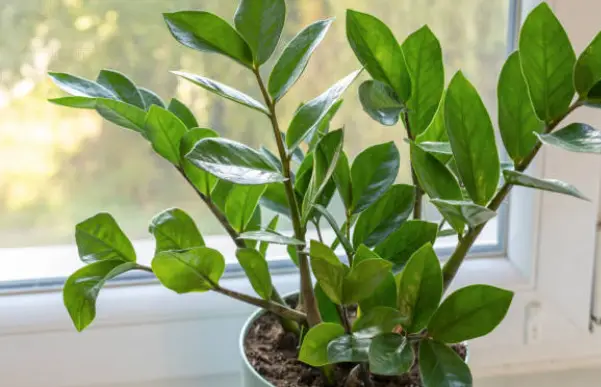
Zamioculcas zamiifolia
The ZZ plant has become increasingly popular in recent years, and for good reason it’s practically indestructible!
With its glossy, dark green leaves arranged in a symmetrical pattern, this plant has a sophisticated, modern look that elevates any space.
I particularly appreciate its architectural quality and how it reflects light beautifully.
| Care Factor | Requirements |
| Light Needs | Low to bright indirect light (thrives even in offices) |
| Watering Frequency | Every 2-3 weeks (allow soil to dry completely) |
| Soil Type | Well-draining potting mix |
| Pet-Friendly | No (toxic to pets if ingested) |
| Difficulty Level | Extremely Easy (thrives on neglect) |
The ZZ plant is my go-to recommendation for offices or rooms with minimal natural light.
I have one in my bathroom that receives almost no direct sunlight, and it’s thriving nonetheless.
This plant stores water in its thick rhizomes (underground stems), allowing it to survive drought-like conditions for extended periods.
In fact, I once forgot to water my ZZ plant for nearly two months during a busy period, and when I finally remembered, it looked exactly the same as when I’d left it!
This resilience makes it perfect for first-time plant parents or those who travel frequently.
The only real way to harm a ZZ plant is by overwatering, so I always recommend erring on the side of underwatering.
Want a plant that thrives on neglect?
The ZZ plant is perfect for busy people or those with less-than-ideal lighting conditions.
It’s available in standard green or the rarer “Raven” variety with nearly black foliage.
4. Spider Plant (Chlorophytum comosum)
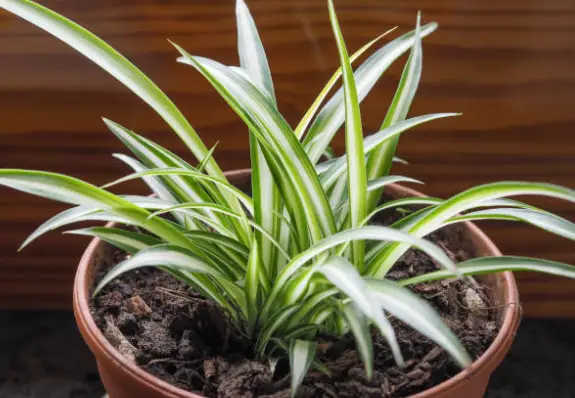
Chlorophytum comosum
Spider plants hold a special place in my heart as they were among my first successful houseplants.
These cheerful plants feature arching, grass-like leaves that can be solid green or variegated with white stripes.
What makes them especially fun for first-time plant parents is their production of “spiderettes”small baby plants that dangle from long stems, creating a dramatic cascading effect.
| Care Factor | Requirements |
| Light Needs | Bright indirect light (tolerates lower light) |
| Watering Frequency | Every 7-10 days (keep soil lightly moist) |
| Soil Type | Well-draining potting mix |
| Pet-Friendly | Yes (non-toxic to cats and dogs) |
| Difficulty Level | Easy (very forgiving) |
I particularly recommend spider plants for first-time plant parents with pets, as they’re one of the few common houseplants that are non-toxic to cats and dogs.
They’re also excellent air purifiers, removing formaldehyde and xylene from your home environment.
Spider plants are more tolerant of regular watering than some of the other plants on this list, though they can bounce back from occasional neglect.
I’ve found that they communicate their needs clearly their leaf tips may brown if they’re getting too much direct sunlight or if the air is too dry, giving you a chance to adjust their care.
Perhaps the most rewarding aspect of spider plants is how easily they propagate.
Those cute spiderettes can be snipped off and placed in water or directly into soil to create new plants.
Within a year of getting my first spider plant, I had propagated enough babies to give as gifts to several friends, spreading the joy of easy plant parenthood!
Perfect for pet owners!
Spider plants are safe for furry friends and produce plenty of baby plants you can share. They look beautiful in hanging baskets or on shelves where their “babies” can cascade down.
5. Jade Plant (Crassula ovata)
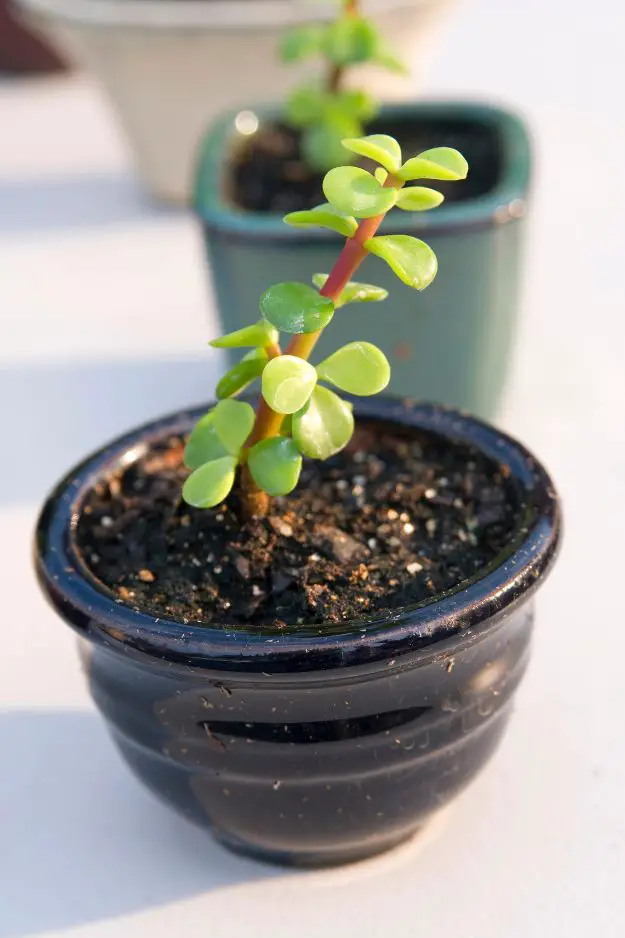
How To Grow Jade Plants
Jade plants have been popular houseplants for generations, and I can see why they’re incredibly resilient succulents with a charming, tree-like appearance.
Their thick, oval-shaped leaves store water efficiently, and over time, their stems become woody, giving them the look of miniature trees.
This makes them one of my top picks for first-time plant parents looking for something a bit different.
| Care Factor | Requirements |
| Light Needs | Bright indirect to direct light |
| Watering Frequency | Every 2-3 weeks (allow soil to dry completely) |
| Soil Type | Cactus or succulent mix |
| Pet-Friendly | No (toxic to cats and dogs) |
| Difficulty Level | Easy (drought-tolerant) |
As a succulent, jade plants thrive on neglect and actually prefer to dry out completely between waterings.
I water mine about once every three weeks in summer and even less frequently in winter.
Overwatering is the main cause of problems with jade plants, so when in doubt, it’s better to underwater than overwater.
What I love about jade plants is their longevity they can live for decades and become heirloom plants passed down through generations.
My grandmother had a jade plant that was over 30 years old!
They’re also considered symbols of good luck and prosperity in many cultures, making them thoughtful housewarming gifts.
Jade plants grow slowly, so they won’t outgrow their pots quickly, which is another bonus for beginners.
With proper care, they can eventually reach 3-4 feet tall, though this takes many years.
I find their compact growth and glossy leaves particularly attractive on windowsills or as desktop plants.
Bring good luck home with a Jade Plant
Jade plants are perfect for sunny spots and make wonderful long-term companions. They’re available in various sizes, from small desktop plants to larger specimens.
6. Peace Lily (Spathiphyllum)
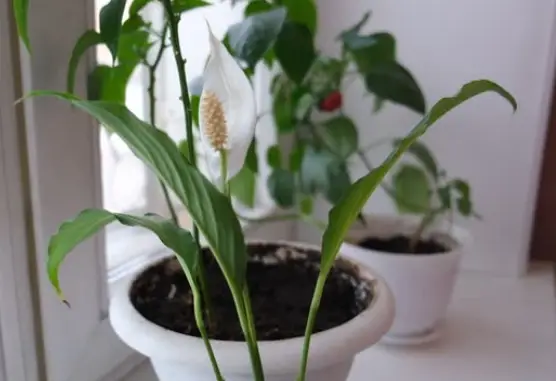
Spathiphyllum Species
If you’re looking for a flowering plant that’s still easy to care for, the peace lily is my go-to recommendation for first-time plant parents.
With its glossy, dark green leaves and elegnt white “flowers” (actually modified leaves called spathes), the peace lily adds a touch of sophistication to any room.
I particularly love how it combines the ease of foliage plants with the beauty of flowering ones.
| Care Factor | Requirements |
| Light Needs | Low to medium indirect light |
| Watering Frequency | Every 7-10 days (when top inch of soil is dry) |
| Soil Type | Standard potting mix with good drainage |
| Pet-Friendly | No (toxic to cats and dogs) |
| Difficulty Level | Easy (communicates needs clearly) |
One of the reasons peace lilies are so beginner-friendly is that they dramatically droop when they need water, making it obvious when it’s time to water them.
Even if they look completely wilted, they usually perk up within hours after watering.
This clear communication takes the guesswork out of plant care, which I found incredibly helpful when I was just starting out.
Peace lilies are also excellent air purifiers, removing toxins like ammonia, benzene, formaldehyde, and trichloroethylene from your home.
They’re perfect for bedrooms or living areas where you want to improve air quality.
While peace lilies can tolerate low light, they’ll produce more of their characteristic white flowers in medium indirect light.
I keep mine in my living room, a few feet away from a north-facing window, and it blooms several times a year.
The flowers last for weeks and gradually turn green as they age.
Want an easy flowering plant?
Peace lilies combine beautiful foliage with elegant white flowers and are perfect for lower light areas. They’re available in various sizes, from compact varieties to larger floor plants.
7. Chinese Evergreen (Aglaonema)

Chinese evergreens are among my favorite plants to recommend to first-time plant parents because they combine striking foliage with incredible ease of care.
These beautiful plants come in a variety of leaf patterns and colors, from classic green and silver to vibrant pink and red, allowing you to add a pop of color to your space without the maintenance that flowering plants require.
| Care Factor | Requirements |
| Light Needs | Low to medium indirect light (colorful varieties need more light) |
| Watering Frequency | Every 7-10 days (when top inch of soil is dry) |
| Soil Type | Well-draining potting mix |
| Pet-Friendly | No (toxic to cats and dogs) |
| Difficulty Level | Very Easy (tolerates inconsistent care) |
Chinese evergreens are native to the tropical and subtropical regions of Asia, where they grow on the forest floor in dappled light.
This makes them naturally adapted to the lower light conditions found in many homes.
I have several varieties throughout my apartment, including in spots that don’t get much natural light.
What I particularly appreciate about Chinese evergreens is their tolerance for different conditions.
They can adapt to various humidity levels, though they prefer higher humidity if possible.
If you notice brown leaf tips, it might indicate that the air is too dry, but this is easily remedied by placing the plant on a pebble tray with water or grouping it with other plants.
The colorful varieties (pink, red, or heavily variegated) generally need a bit more light to maintain their vibrant colors, but they’re still much more tolerant of lower light than many other colorful plants.
This makes them perfect for adding a splash of color to areas where other plants might struggle.
Add some color to your plant collection
Chinese evergreens come in stunning varieties with pink, red, silver, and green patterns. They’re perfect for adding color to your space without the maintenance of flowering plants.
8. Rubber Plant (Ficus elastica)
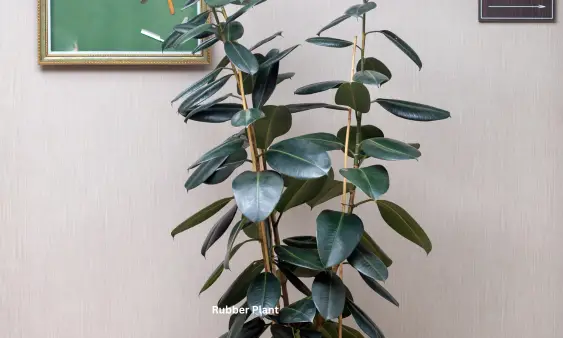
For first-time plant parents looking for something with a bit more presence, the rubber plant is an excellent choice.
With its large, glossy leaves in shades of deep green, burgundy, or variegated patterns, this plant makes a striking statement in any room.
I love how quickly it can transform a space with its bold, architectural form.
| Care Factor | Requirements |
| Light Needs | Medium to bright indirect light |
| Watering Frequency | Every 1-2 weeks (when top 1-2 inches of soil are dry) |
| Soil Type | Well-draining potting mix |
| Pet-Friendly | No (toxic to cats and dogs) |
| Difficulty Level | Easy to Moderate (somewhat sensitive to changes) |
While rubber plants are a bit more particular than some others on this list, they’re still quite forgiving for beginners.
The key is consistency they prefer to stay in the same spot with stable light conditions and a regular watering schedule.
I’ve found that once they’re settled in a location they like, they’re quite easy to maintain.
One thing I appreciate about rubber plants is their air-purifying qualities.
Like many ficus varieties, they’re excellent at removing formaldehyde from the air.
They also grow relatively quickly when happy, which provides that rewarding sense of progress that new plant parents often crave.
Rubber plants can eventually grow quite tall (up to 8 feet indoors!), but they’re easy to prune if you want to maintain a more compact size.
When pruned, they often branch out, creating a fuller appearance.
Just be aware that they produce a milky sap when cut, which can irritate skin, so it’s best to wear gloves when pruning.
Make a statement with a Rubber Plant
Rubber plants add dramatic flair to any room with their large, glossy leaves.
Choose from green, burgundy, or variegated varieties to match your decor.
Care Guide for First-Time Plant Parents
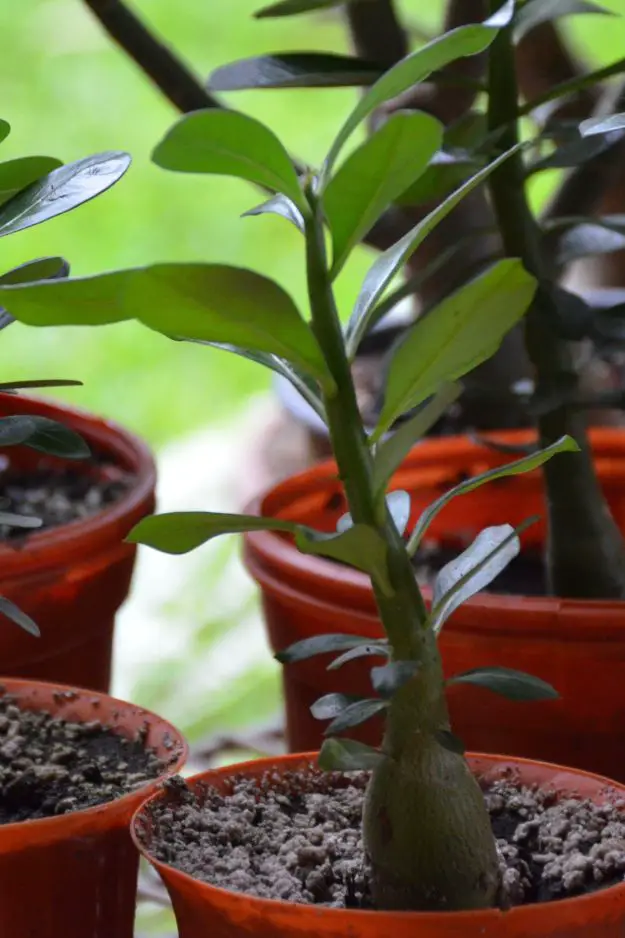
How To Grow Jade Plants
Now that we’ve covered my top picks for first-time plant parents, let’s talk about some general care principles that will help you succeed with any houseplant.
I’ve created this cheat sheet based on my own experiences (and many mistakes!) over the years.
| Care Aspect | Key Guidelines |
| Checking for Watering | Stick your finger 1-2 inches into the soil. If it feels dry at that depth, it’s time to water. For succulents and desert plants, wait until the soil is completely dry throughout the pot. |
| Signs of Overwatering | Yellowing leaves, soft/mushy stems, moldy soil surface, fungus gnats, or a general wilted appearance despite wet soil. |
| Signs of Underwatering | Crispy brown leaf edges, drooping or wilting despite dry soil, curling leaves, slow growth, or soil pulling away from the edges of the pot. |
| Light Tips | Most houseplants prefer bright, indirect light. Direct sun can burn leaves, while too little light causes leggy growth. Rotate plants regularly for even growth. |
| Seasonal Changes | Most plants need less water in winter. Growth slows or stops, so reduce fertilizer. Watch for drafts from heaters or air conditioners. |
How to Properly Water Your Plants
Watering is where most first-time plant parents struggle, so here’s my step-by-step guide to getting it right:
- Always check the soil before watering. Most plants prefer to dry out slightly between waterings.
- Water thoroughly until it flows from the drainage holes. This ensures the entire root ball gets moistened.
- Empty the saucer after 15-30 minutes. Never let plants sit in standing water.
- For very dry soil that repels water, soak the pot in a few inches of water for 15-20 minutes to allow it to absorb moisture from the bottom up.
- Use room temperature water, as cold water can shock plant roots.
How to Repot Your New Plant
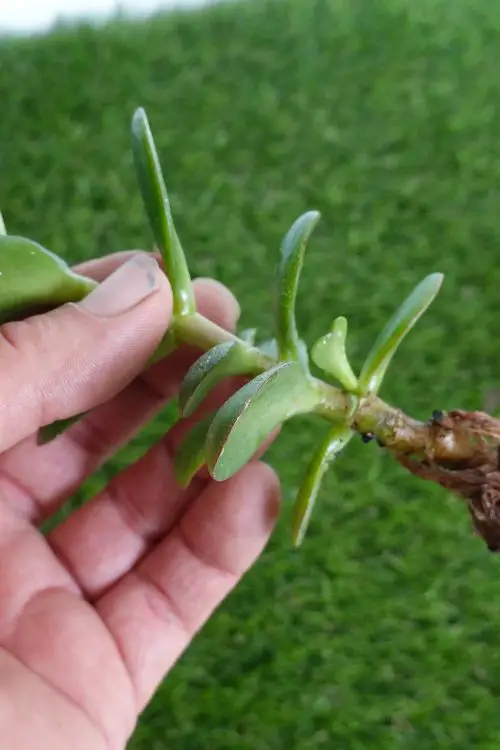
Many plants from stores are ready for repotting soon after purchase. Here’s how I approach it:
- Choose a pot 1-2 inches larger in diameter than the current pot, with drainage holes.
- Add a layer of fresh potting mix to the bottom of the new pot.
- Gently remove the plant from its current pot by turning it sideways and tapping the edge.
- Loosen the root ball slightly with your fingers, especially if it’s densely packed or circling the pot.
- Place the plant in the new pot, centering it, and add fresh potting mix around the sides.
- Leave about an inch of space between the soil surface and the pot rim for watering.
- Water thoroughly after repotting to help the soil settle and reduce transplant shock.
Your Journey as a First-Time Plant Parent
Starting your plant parenthood journey with these top picks for first-time plant parents will set you up for success and build your confidence.
Remember, even experienced plant enthusiasts kill plants sometimes it’s all part of the learning process!
The key is to start with forgiving plants that match your lifestyle and home environment.
I’ve found that plant care becomes intuitive over time as you learn to “read” your plants and understand their needs. Pay attention to how they respond to your care, and don’t be afraid to adjust your approach.
Each plant and each home is unique, so what works for someone else might need tweaking for your specific situation.
Most importantly, enjoy the process!
There’s something deeply satisfying about nurturing a living thing and watching it thrive under your care.
Plants bring life, beauty, and better air quality to our homes, and caring for them can be a mindful, rewarding practice that connects us to nature even in urban environments.
I hope this guide helps you choose the perfect plants to begin your collection.
Before you know it, you might find yourself with a thriving indoor jungle and the confidence to try more challenging varieties.
Happy planting!