

I used to think that my hectic schedule meant I couldn’t enjoy the benefits of houseplants.
Between long work hours, social commitments, and barely remembering to feed myself some days, how could I possibly keep another living thing alive?
However, after killing more plants than I’d like to admit, I discovered that there are actually many resilient plant varieties that thrive with minimal attention.
These carefree indoor plants for busy lives have transformed my home into a green sanctuary without adding stress to my packed calendar.
If you’re like me wanting to enjoy the beauty and benefits of indoor plants but lacking the time for constant care this guide is specifically for you.
I’ve compiled my favorite low-maintenance plants that can survive (and even thrive!) despite irregular watering, fluctuating light conditions, and occasional neglect.
These plants are perfect companions for busy professionals, frequent travelers, or anyone who simply doesn’t want plant care to become another chore on their to-do list.
Why Busy People Need Carefree Indoor Plants
Let’s talk about why adding some greenery to your busy life is worth the (minimal) effort:
Air Purification
Many low-maintenance plants are excellent air purifiers, removing common toxins from your home. This means you can breathe easier without any extra work on your part.
Stress Reduction
Studies show that indoor plants can significantly reduce stress levels and improve mood. As a busy person, you could probably use this passive benefit in your life!
Aesthetic Appeal
Let’s be honest, plants make any space look better. They add life, texture, and a finished quality to rooms with minimal effort required.
I’ve personally found that having plants in my home creates a sense of accomplishment and connection to nature that I desperately need when my schedule gets overwhelming.
The key is choosing the right plants that match your lifestyle, not trying to adapt your lifestyle to demanding plants.
Quick Comparison: Carefree Indoor Plants for Busy Lives
| Plant Name | Light Needs | Water Frequency | Pet-Friendly | Difficulty Level |
| Snake Plant | Low to Bright Indirect | Every 2-3 weeks | No | Very Easy |
| ZZ Plant | Low to Bright Indirect | Every 2-3 weeks | No | Very Easy |
| Pothos | Low to Bright Indirect | Every 1-2 weeks | No | Easy |
| Spider Plant | Bright Indirect | Every 1-2 weeks | Yes | Easy |
| Peace Lily | Low to Bright Indirect | When leaves droop | No | Easy |
| Succulents | Bright Direct/Indirect | Every 2-3 weeks | Most Yes | Easy |
| Air Plants | Bright Indirect | Soak weekly | Yes | Easy |
| Rubber Plant | Medium to Bright Indirect | Every 1-2 weeks | No | Moderate |
Not Sure Which Plant Is Right For You?
Take our quick quiz to find your perfect plant match based on your schedule, light conditions, and experience level.
1. Snake Plant (Sansevieria)
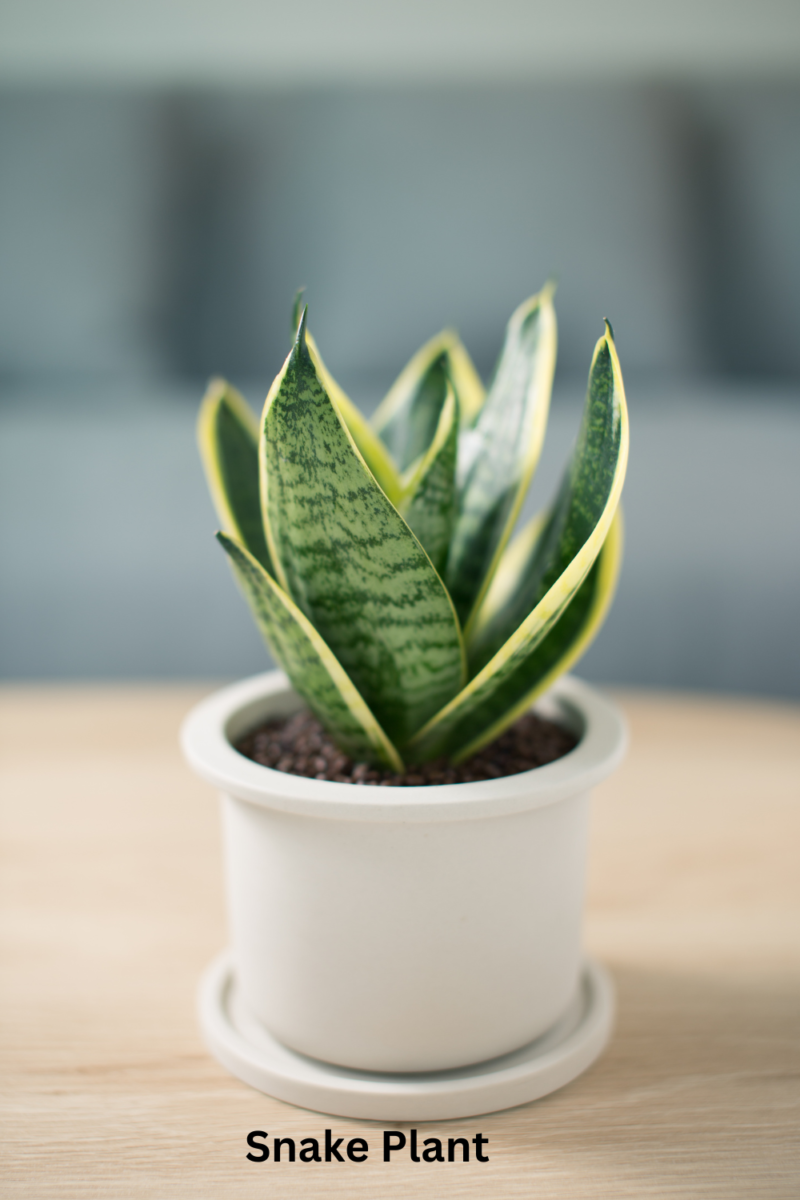
If I could only recommend one plant to someone with a hectic schedule, it would be the Snake Plant.
This resilient beauty tops my list of carefree indoor plants for busy lives because it’s practically indestructible.
With stiff, upright leaves that can grow up to several feet tall, Snake Plants make a bold statement in any room while requiring almost no attention.
Why Snake Plants Are Perfect for Busy People:
- They can survive in low light conditions, though they prefer bright indirect light
- They need watering only every 2-3 weeks (less in winter)
- They’re extremely drought-tolerant and can bounce back from neglect
- They’re excellent air purifiers, removing toxins even at night
- They rarely attract pests or develop diseases
I’ve personally left my Snake Plant unwatered for over a month during a business trip, and it looked exactly the same when I returned.
This plant truly embodies the “set it and forget it” approach to plant care, making it ideal for anyone with a packed schedule.
Pro Tip: If you notice your Snake Plant’s leaves starting to wrinkle or fold inward, that’s a sign it’s finally thirsty. One good watering and it’ll perk right back up!
2. ZZ Plant (Zamioculcas zamiifolia)

ZZ Plant
The ZZ Plant is another superstar in the world of carefree indoor plants for busy lives.
With its glossy, dark green leaves and elegant growth pattern, this plant brings a touch of sophistication to any space without demanding much in return.
Native to Eastern Africa, the ZZ Plant has evolved to survive long periods of drought, making it perfectly adapted to life with a forgetful or time-strapped plant parent.
ZZ Plant Care Basics:
- Light: Thrives in low to bright indirect light (avoid direct sun)
- Water: Every 2-3 weeks, allowing soil to dry completely between waterings
- Soil: Well-draining potting mix
- Temperature: Comfortable in normal indoor temperatures (65-75°F)
- Propagation: Division or leaf cuttings (though very slow to grow)
What makes the ZZ Plant particularly special is its ability to store water in its thick rhizomes beneath the soil.
This adaptation means it can go weeks without water and still look perfectly healthy.
I keep one on my office desk where it receives only artificial light and occasional watering when I remember and it continues to produce new growth!
“The ZZ Plant is like that reliable friend who never demands attention but is always there looking great.
It’s the ultimate plant for people who want the benefits of greenery without the commitment.”
My local plant shop owner
3. Pothos (Epipremnum aureum)
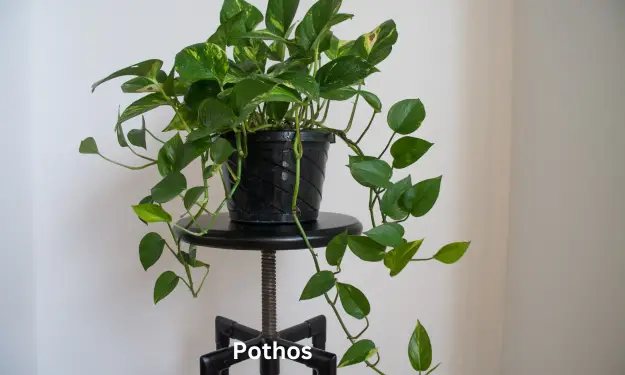
Pothos has earned its reputation as one of the most adaptable carefree indoor plants for busy lives, and for good reason.
This trailing vine with heart-shaped leaves comes in several varieties, including golden, marble queen, neon, and jade, offering options to match any decor.
What I love most about pothos is how it communicates its needs the leaves will visibly droop when thirsty, giving you a clear signal that it’s time for water.
Why Pothos Deserves a Spot in Your Busy Life:
- Extremely adaptable to various light conditions (though it grows fastest in bright indirect light)
- Can be grown in water or soil with equal success
- Tolerates irregular watering schedules
- Easy to propagate – just snip and place in water
- Grows quickly, providing visual satisfaction even for impatient plant parents
I’ve found that pothos is particularly forgiving of neglect.
When I forget to water mine, the leaves may droop dramatically, but after one good watering, it perks right back up with no lasting damage.
This resilience makes it perfect for those weeks when life gets too busy to think about plant care.
Styling Tip: Pothos can be trained to climb a moss pole or trellis, or allowed to trail from a hanging basket or high shelf. This versatility makes it perfect for various spaces in your home.
Ready to Add Some Pothos to Your Collection?
Pothos plants are widely available and come in several stunning varieties to match any decor style.
4. Spider Plant (Chlorophytum comosum)
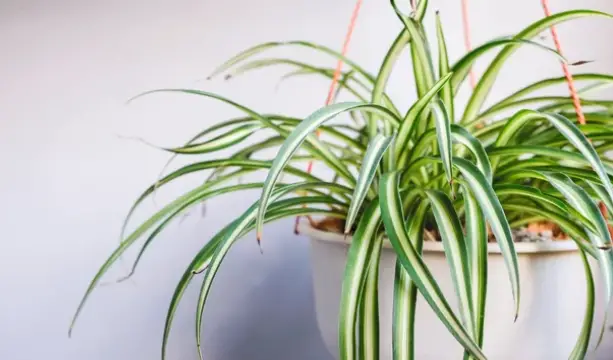
The Spider Plant has been a houseplant staple for decades, and there’s a good reason for its enduring popularity among carefree indoor plants for busy lives.
With its arching, variegated leaves and the charming “spiderettes” (baby plants) that dangle from long stems, this plant adds visual interest to any space while requiring minimal care.
Spider Plant Care Essentials:
- Light: Bright indirect light, though tolerates lower light
- Water: Keep soil lightly moist, watering when the top inch feels dry
- Soil: Standard potting mix with good drainage
- Temperature: Comfortable in normal indoor temperatures (60-75°F)
- Propagation: Simply pot the baby plantlets that form on the ends of stems
What I particularly appreciate about Spider Plants is that they’re one of the few pet-friendly options on this list.
If you have curious cats or dogs, you can rest easy knowing that Spider Plants are non-toxic to pets.
They’re also excellent air purifiers, removing formaldehyde and other toxins from your home.
Another bonus? Spider Plants practically propagate themselves by producing those baby plantlets.
I’ve started countless new plants from my original Spider Plant, making them perfect gifts for friends who also lead busy lives but want to enjoy some greenery.
5. Peace Lily (Spathiphyllum)

The Peace Lily stands out among carefree indoor plants for busy lives because it offers something special beautiful white flowers without demanding much attention in return.
With glossy, dark green leaves and elegant white spathes (often mistaken for flowers, though they’re actually modified leaves), Peace Lilies add a touch of sophistication to any room.
Why Peace Lilies Work for Busy Schedules:
- They thrive in low to medium light conditions
- They dramatically droop when thirsty, making it obvious when they need water
- They bounce back quickly after watering, even when severely wilted
- They’re excellent air purifiers, removing common household toxins
- They produce white blooms even in low light conditions
I’ve found Peace Lilies to be incredibly communicative plants when they need water, they let you know by dramatically drooping their leaves.
After a good drink, they perk back up within hours, showing no signs of their previous distress.
This clear signaling makes them perfect for busy people who might not remember to check on their plants regularly.
Important Note: Peace Lilies are toxic to pets if ingested.
If you have curious cats or dogs, place this plant in an area they can’t access or choose a pet-friendly alternative like a Spider Plant.
6. Succulents (Various Genera)

Succulents have exploded in popularity in recent years, and they’ve earned their place among the best carefree indoor plants for busy lives.
These water-storing plants come in an incredible variety of shapes, sizes, and colors, allowing you to create a diverse collection even with limited space.
From the rosette-shaped Echeverias to the trailing String of Pearls, there’s a succulent to match any aesthetic preference.
Succulent Care Basics:
- Light: Bright direct or indirect light (most need at least 6 hours of sunlight)
- Water: Allow soil to dry completely between waterings (typically every 2-3 weeks)
- Soil: Well-draining cactus or succulent mix
- Temperature: Prefer warmer temperatures; protect from cold drafts
- Propagation: Many can be propagated from leaves or cuttings
The key to success with succulents is understanding that they prefer neglect over too much attention.
I’ve learned this the hard way I’ve killed more succulents by overwatering than by forgetting to water them!
Their ability to store water in their leaves means they can go weeks between waterings, making them perfect for busy schedules or frequent travelers.
“When it comes to succulents, less is more.
The biggest mistake new plant parents make is showing too much love through water.”
One thing to note: while succulents are low-maintenance in terms of watering, they do need plenty of light.
If your home doesn’t get much natural sunlight, you might want to choose a different plant from this list that’s more tolerant of low light conditions.
7. Air Plants (Tillandsia)
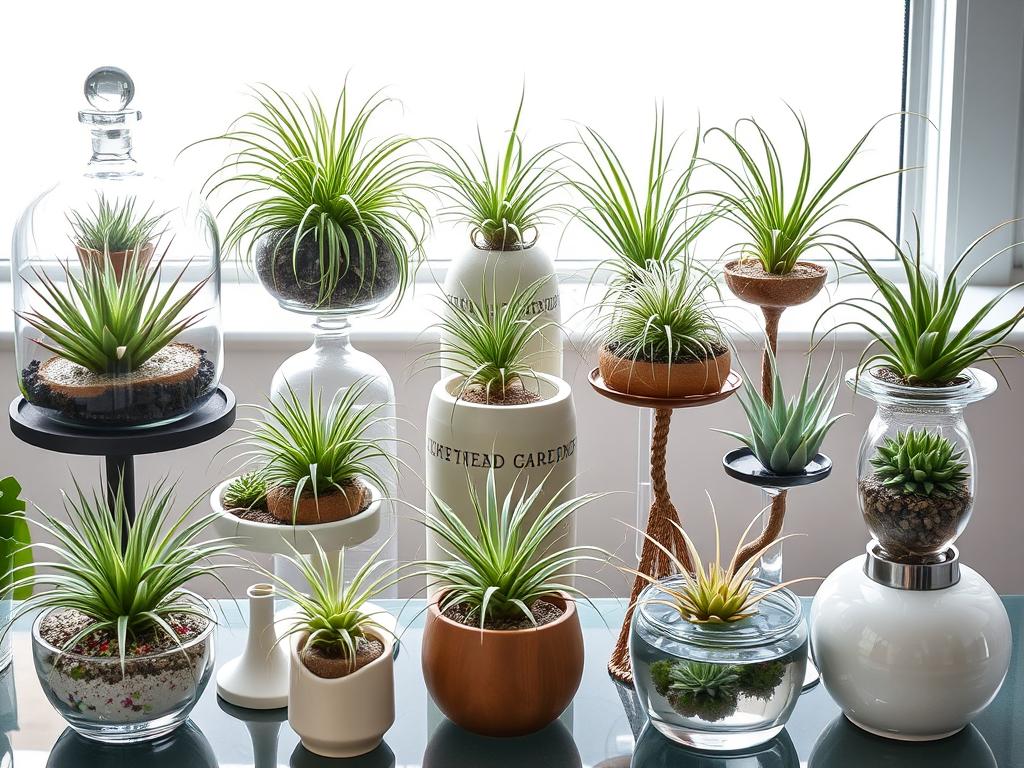
Air Plants (Tillandsia) are truly unique among carefree indoor plants for busy lives because they don’t even need soil to thrive!
These fascinating plants absorb water and nutrients through their leaves rather than roots, allowing for incredibly creative display options.
You can place them in glass terrariums, mount them on driftwood, or simply set them on a decorative dish.
Air Plant Care Made Simple:
- Light: Bright indirect light; avoid direct sun which can burn them
- Water: Soak in water for 20-30 minutes once a week, then shake off excess and allow to dry completely
- Soil: None needed!
- Temperature: Comfortable in normal indoor temperatures (65-85°F)
- Propagation: They produce “pups” (baby plants) that can be separated when they’re about 1/3 the size of the parent
The watering method for air plants is different from other houseplants, but it’s actually quite simple.
I’ve found that a weekly soak works well for most varieties, though you may need to mist them between soakings in very dry environments.
The key is making sure they dry completely within a few hours after watering to prevent rot.
Display Idea: Create a stunning air plant display by hanging them in glass globes from the ceiling or mounting them on a piece of driftwood for a natural, sculptural look.
8. Rubber Plant (Ficus elastica)
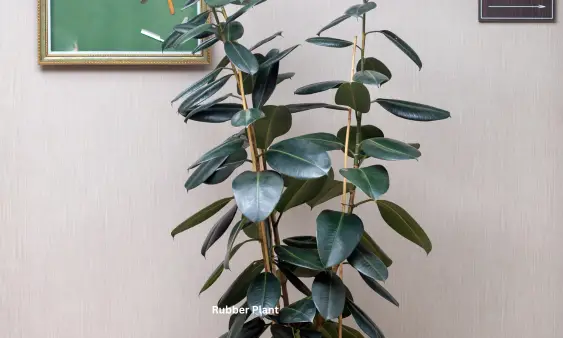
If you’re looking for a statement plant that grows tall without demanding constant attention, the Rubber Plant is one of the best carefree indoor plants for busy lives.
With its large, glossy leaves in deep green (or variegated patterns in some varieties), this plant adds a bold, tropical touch to any room.
Despite its impressive appearance, it’s surprisingly easy to maintain.
Rubber Plant Care Essentials:
- Light: Medium to bright indirect light; can adapt to lower light but growth will slow
- Water: Allow top 2 inches of soil to dry between waterings (typically every 1-2 weeks)
- Soil: Well-draining potting mix
- Temperature: Prefers warmer temperatures (60-80°F); avoid cold drafts
- Cleaning: Wipe leaves occasionally with a damp cloth to remove dust and keep them glossy
What I appreciate most about my Rubber Plant is how clearly it communicates its needs.
When underwatered, the leaves will droop slightly; when overwatered, the lower leaves may yellow and drop.
These clear signals make it easy to adjust your care routine before any serious problems develop.
Rubber Plants also grow at a moderate pace, adding height and new leaves without becoming unmanageable.
This gives you the satisfaction of seeing growth without the pressure of constant maintenance or frequent repotting.
Note: The sap of Rubber Plants can cause skin irritation in some people. Wear gloves when pruning, and keep the plant away from curious pets who might chew on the leaves.
Monthly Care Checklist for Carefree Indoor Plants
| Task | Frequency | Notes |
| Check soil moisture | Weekly | Stick your finger 1-2 inches into the soil; water only if dry |
| Rotate plants | Monthly | Turn plants a quarter turn to ensure even growth |
| Dust leaves | Monthly | Wipe larger leaves with a damp cloth; mist smaller ones |
| Check for pests | Monthly | Look under leaves and along stems for any unwanted visitors |
| Fertilize (growing season) | Every 2-3 months | Use half-strength fertilizer during spring/summer only |
| Prune dead/yellowing leaves | As needed | Remove any unhealthy growth to maintain appearance |
Want a Printable Version of This Checklist?
Download our free printable care checklist to keep track of your plant maintenance schedule without adding stress to your busy life.
5 Essential Tips for Busy Plant Parents
- Group plants with similar needs. Place plants with similar watering and light requirements together to streamline your care routine. This way, you can water several plants at once rather than remembering different schedules for each one.
- Use the right pots. Terracotta pots dry out faster, while plastic and glazed ceramic retain moisture longer. Choose based on your watering habits – if you tend to forget, opt for moisture-retaining pots.
- Set calendar reminders. Even with low-maintenance plants, a simple monthly reminder to check on your green friends can prevent problems before they start.
- Invest in self-watering solutions. For times when you’ll be away, self-watering globes or wicking systems can keep your plants hydrated without any effort on your part.
- Don’t be afraid to prune. Removing yellowing leaves or leggy growth not only keeps your plants looking their best but also encourages healthier growth in the long run.
I’ve found that the key to success with indoor plants as a busy person is to work with your natural habits rather than fighting against them.
If you know you’ll forget to water frequently, choose plants that prefer to dry out between waterings.
If your home doesn’t get much natural light, focus on low-light tolerant varieties instead of struggling with plants that need bright conditions.
“The best plant parent isn’t the one who provides perfect care it’s the one who chooses plants that match their lifestyle and available time.”
Troubleshooting Common Issues with Carefree Indoor Plants
Why are my plant’s leaves turning yellow?
Yellowing leaves are often a sign of overwatering, especially in low-maintenance plants. Allow the soil to dry out more between waterings. However, if only lower, older leaves are yellowing and dropping occasionally, this could be normal aging. Check the soil moisture level before watering again.
My plant isn’t growing. What’s wrong?
Even carefree plants need some light to grow. If your plant hasn’t produced new growth in months, it might need more light. Try moving it to a brighter location. Also, most plants naturally slow or stop growing during winter months, so seasonal dormancy is normal.
There are brown tips on my plant’s leaves. How do I fix this?
Brown leaf tips usually indicate low humidity or water quality issues. Try misting your plants occasionally or placing them on a pebble tray with water. Also, if you use tap water, letting it sit out overnight before watering can help reduce chemicals that may cause browning.
I found tiny bugs on my plant. What should I do?
Even low-maintenance plants can occasionally attract pests. For small infestations, wiping leaves with a solution of mild soap and water can help. For persistent problems, neem oil is an effective natural treatment. Isolate affected plants until the issue is resolved to prevent spreading.
Remember that even the most carefree indoor plants for busy lives will occasionally have issues.
The good news is that most problems can be resolved with simple adjustments to your care routine.
Don’t get discouraged if you encounter setbacks learning what works for your specific environment is part of the journey.
How to Choose the Right Carefree Indoor Plants for Your Space
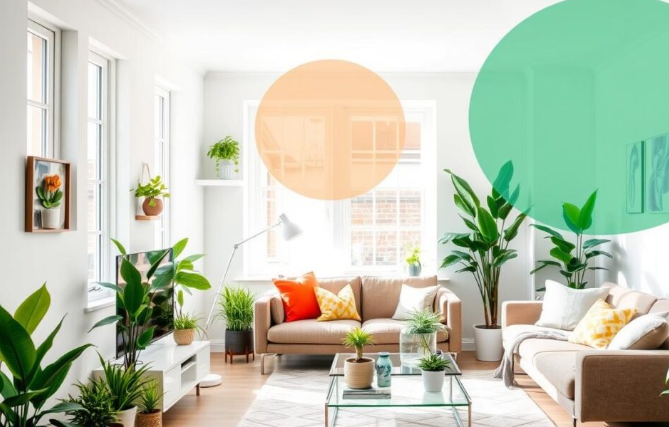
Choosing the right plants for your specific living situation is crucial for success, especially when you’re busy.
Here are the key factors I consider when selecting carefree indoor plants for busy lives:
Light Conditions
Assess the natural light in your space before choosing plants. For bright spots with direct sun, consider succulents or rubber plants. For medium light, pothos or peace lilies work well. For low light areas, snake plants and ZZ plants are your best bet.
Your Watering Habits
Be honest about how often you’ll remember to water. If you travel frequently or tend to forget, choose drought-tolerant options like succulents, snake plants, or ZZ plants. If you enjoy the routine of plant care but have limited time, peace lilies might be perfect as they clearly show when they need water.
Space Constraints
Consider how much space you have available. For small areas, air plants or small succulents work well. For floor space, larger statement plants like rubber plants or peace lilies can fill empty corners. For shelves or tables, trailing plants like pothos add visual interest without taking up much space.
I’ve found that the most successful approach is to start with just one or two plants that match your specific conditions and habits. Once you’ve had success with these, you can gradually expand your collection with confidence.
This prevents the overwhelm that can come from trying to care for too many plants at once when you’re already busy.
Pinterest-Worthy Tip: Create a “plant corner” in your home where you group several low-maintenance plants together. This not only creates a stunning visual focal point but also makes it easier to remember to check on all your plants at once!
Embracing Plant Parenthood with a Busy Schedule
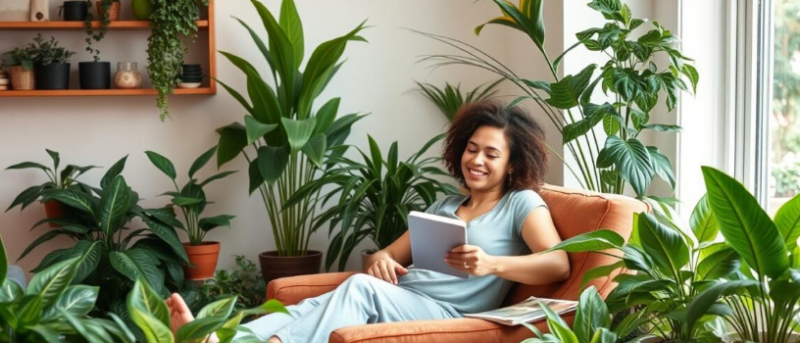
Adding greenery to your home doesn’t have to be another source of stress in your busy life.
With these carefree indoor plants for busy lives, you can enjoy all the benefits of being a plant parent from improved air quality to the simple joy of watching something grow without adding significant demands to your schedule.
I started my plant journey feeling overwhelmed and certain I’d kill anything green that entered my home.
However, by starting with these resilient varieties and gradually learning their needs, I’ve created a thriving indoor garden that brings me joy every day, even during my busiest periods.
Remember that even the most low-maintenance plants will thrive best when you understand their basic needs.
The plants on this list are forgiving of neglect, but they’re not immortal!
A minimal care routine checking soil moisture once a week and dusting leaves once a month will keep them looking their best with minimal time investment.
Ready to Start Your Low-Maintenance Plant Collection?
Begin with one of these carefree indoor plants and discover how easy it can be to bring nature into your busy life.
Love this guide? Pin it for later! Share this guide on Pinterest to help other busy plant lovers discover the joy of low-maintenance greenery.