
Living with chronic inflammation can be challenging, but I’ve discovered that what we eat plays a crucial role in how our bodies respond.
After struggling with joint pain and digestive issues for years, I began exploring anti-inflammatory eating and was amazed by how much better I felt.
These 12 anti-inflammatory meal ideas have become staples in my kitchen because they’re not only beneficial for reducing inflammation but also incredibly delicious.
I’m excited to share them with you today!
Inflammation is our body’s natural response to injury or infection, but when it becomes chronic, it can contribute to various health issues.
However, by incorporating anti-inflammatory foods into our daily meals, we can help our bodies fight excessive inflammation naturally.
The recipes I’m sharing today are packed with nutrients, antioxidants, and natural anti-inflammatory compounds that can help reduce inflammation while satisfying your taste buds.
Jump to Recipe:
- Turmeric Ginger Salmon Bowl
- Quinoa and Roasted Veggie Salad
- Lentil and Spinach Curry
- Berry and Spinach Smoothie
- Grilled Chicken with Avocado Salsa
- Sweet Potato and Black Bean Tacos
- Anti-Inflammatory Buddha Bowl
- Garlic Herb Roasted Chicken
- Omega-3 Rich Chia Pudding
- Mediterranean Stuffed Peppers
- Anti-Inflammatory Green Soup
- Spicy Turmeric Lentil Stew
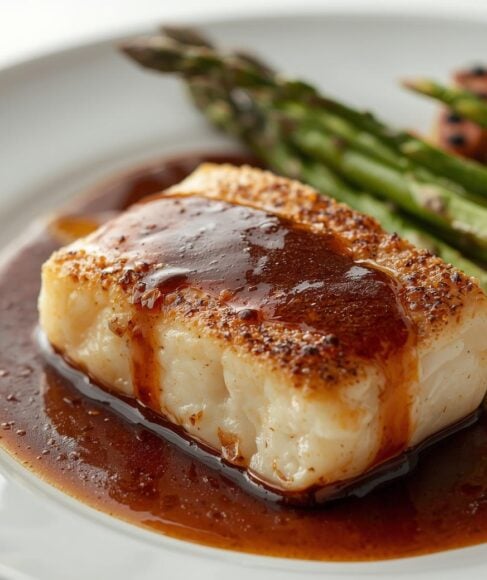
1. Turmeric Ginger Salmon Bowl
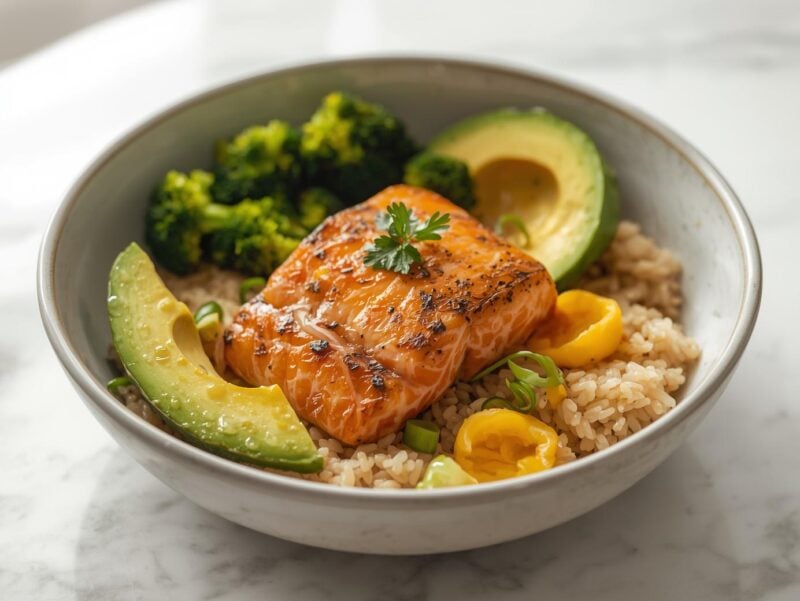
I absolutely love this salmon bowl because it combines two powerful anti-inflammatory ingredients:
fatty fish rich in omega-3s and turmeric with its active compound curcumin.
Whenever I’m feeling particularly achy or tired, this is my go-to meal.
The ginger adds a wonderful zing while also contributing its own anti-inflammatory properties.
However, if you’re not a fan of salmon, you can substitute it with another fatty fish like mackerel or even tofu for a plant-based option.
| Ingredient | Quantity | Anti-inflammatory Benefit |
| Wild-caught salmon fillet | 4 oz (per serving) | Rich in omega-3 fatty acids |
| Ground turmeric | 1 teaspoon | Contains curcumin, a potent anti-inflammatory compound |
| Fresh ginger, grated | 1 tablespoon | Contains gingerol, which reduces inflammation |
| Brown rice, cooked | 1/2 cup | Whole grain with fiber to stabilize blood sugar |
| Broccoli florets | 1 cup | Contains sulforaphane, an anti-inflammatory compound |
| Avocado, sliced | 1/4 | Rich in healthy fats and antioxidants |
| Extra virgin olive oil | 1 tablespoon | Contains oleocanthal, which has anti-inflammatory effects |
| Lemon juice | 1 tablespoon | Rich in vitamin C, an antioxidant |
Instructions:
Start by mixing the turmeric, grated ginger, a pinch of black pepper (which enhances turmeric absorption), and olive oil in a small bowl.
Rub this mixture all over the salmon fillet and let it marinate for at least 15 minutes. Meanwhile, steam the broccoli until tender-crisp and warm up the cooked brown rice.
Next, heat a non-stick skillet over medium-high heat and cook the salmon for about 4 minutes per side, or until it flakes easily with a fork.
To assemble your bowl, place the brown rice at the bottom, arrange the broccoli and sliced avocado around the edges, and place the salmon in the center.
Drizzle with lemon juice and a little extra olive oil if desired.
Therefore, you’ll have a balanced meal with protein, healthy fats, and fiber. Nonetheless, be careful not to overcook the salmon as it can become dry.
2. Quinoa and Roasted Veggie Salad
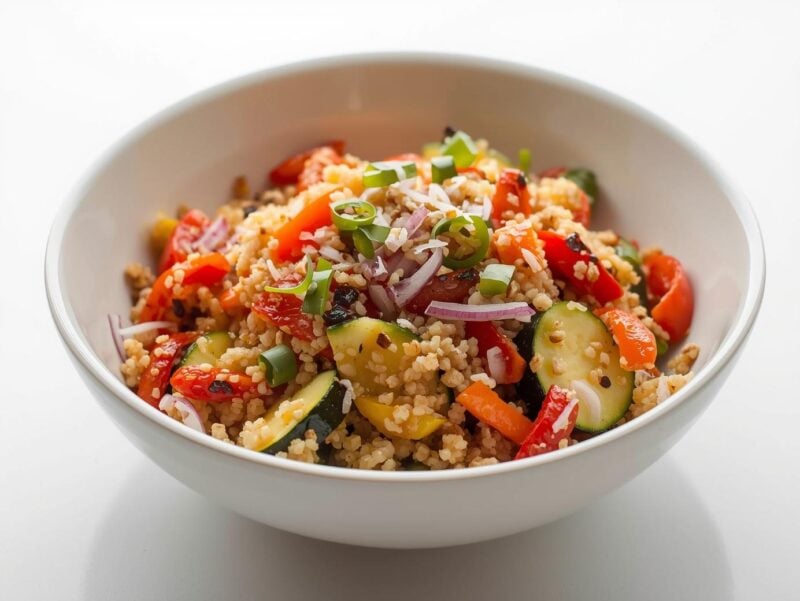
This quinoa and roasted veggie salad is one of my favorite make-ahead lunches.
I often prepare a big batch on Sunday and enjoy it throughout the week.
Quinoa provides a complete protein source, while the colorful array of vegetables delivers a spectrum of antioxidants.
The olive oil dressing adds healthy fats and helps your body absorb fat-soluble vitamins from the vegetables.
I am particularly fond of how versatile this recipe is you can use whatever vegetables are in season or available in your fridge.
| Ingredient | Quantity | Anti-inflammatory Benefit |
| Quinoa, uncooked | 1 cup | Contains quercetin, an anti-inflammatory flavonoid |
| Sweet potato, cubed | 1 medium | Rich in beta-carotene and anthocyanins |
| Bell peppers, chopped | 2 (different colors) | High in vitamin C and antioxidants |
| Zucchini, chopped | 1 medium | Contains antioxidants and vitamin C |
| Red onion, chopped | 1/2 | Contains quercetin and sulfur compounds |
| Extra virgin olive oil | 3 tablespoons | Rich in oleocanthal and polyphenols |
| Lemon juice | 2 tablespoons | High in vitamin C |
| Fresh herbs (parsley, basil) | 1/4 cup, chopped | Contains essential oils with anti-inflammatory properties |
| Walnuts, chopped | 1/4 cup | Excellent source of omega-3 fatty acids |
Instructions:
Begin by rinsing the quinoa thoroughly under cold water to remove its natural coating, which can taste bitter. Cook the quinoa according to package instructions, usually with a 1:2 ratio of quinoa to water.
While the quinoa is cooking, preheat your oven to 425°F (220°C). Toss the sweet potato, bell peppers, zucchini, and red onion with 1 tablespoon of olive oil and spread them on a baking sheet.
Roast for about 25-30 minutes, stirring halfway through, until the vegetables are tender and slightly caramelized.
In a small bowl, whisk together the remaining olive oil, lemon juice, and a pinch of salt and pepper to make the dressing.
Once the quinoa has cooled slightly and the vegetables have roasted, combine them in a large bowl.
Add the fresh herbs and drizzle with the dressing, tossing gently to coat.
Top with chopped walnuts just before serving. This salad tastes even better the next day after the flavors have had time to meld together!
3. Lentil and Spinach Curry

This lentil and spinach curry is one of my go-to meals when I want something warming, filling, and packed with anti-inflammatory ingredients.
Lentils are an excellent source of plant-based protein and fiber, while spinach provides a wealth of antioxidants.
The combination of turmeric, ginger, and garlic creates a powerful anti-inflammatory base for this curry.
Because it’s so hearty and satisfying, I find this meal particularly helpful when I’m trying to reduce meat consumption without feeling deprived.
| Ingredient | Quantity | Anti-inflammatory Benefit |
| lentils, dry | 1 cup | High in fiber and plant protein |
| Fresh spinach | 4 cups | Rich in antioxidants and vitamin K |
| Onion, diced | 1 medium | Contains quercetin and sulfur compounds |
| Garlic, minced | 3 cloves | Contains allicin, a potent anti-inflammatory compound |
| Fresh ginger, grated | 1 tablespoon | Contains gingerol, which reduces inflammation |
| Ground turmeric | 1 teaspoon | Contains curcumin, a powerful anti-inflammatory |
| Ground cumin | 1 teaspoon | Has antioxidant properties |
| Coconut milk | 1 can (13.5 oz) | Contains medium-chain triglycerides |
| Vegetable broth | 2 cups | Provides hydration and nutrients |
| Lemon juice | 1 tablespoon | Rich in vitamin C |
Instructions:
Start by rinsing the lentils thoroughly under cold water until the water runs clear. In a large pot, heat a tablespoon of olive oil over medium heat.
Add the diced onion and cook until translucent, about 5 minutes.
Add the minced garlic and grated ginger, cooking for another minute until fragrant. Stir in the ground turmeric and cumin, toasting the spices for about 30 seconds. Add the rinsed lentils to the pot along with the vegetable broth.
Bring to a boil, then reduce heat and simmer, partially covered, for about 20 minutes or until the lentils are tender.
Stir in the coconut milk and continue to simmer for another 5 minutes. Add the fresh spinach in batches, stirring until wilted.
Finish with a squeeze of fresh lemon juice and adjust seasoning with salt and pepper to taste.
This curry is delicious served over brown rice or with a piece of whole grain naan bread. Also, I like to garnish it with fresh cilantro for an extra burst of flavor.
4. Berry and Spinach Smoothie
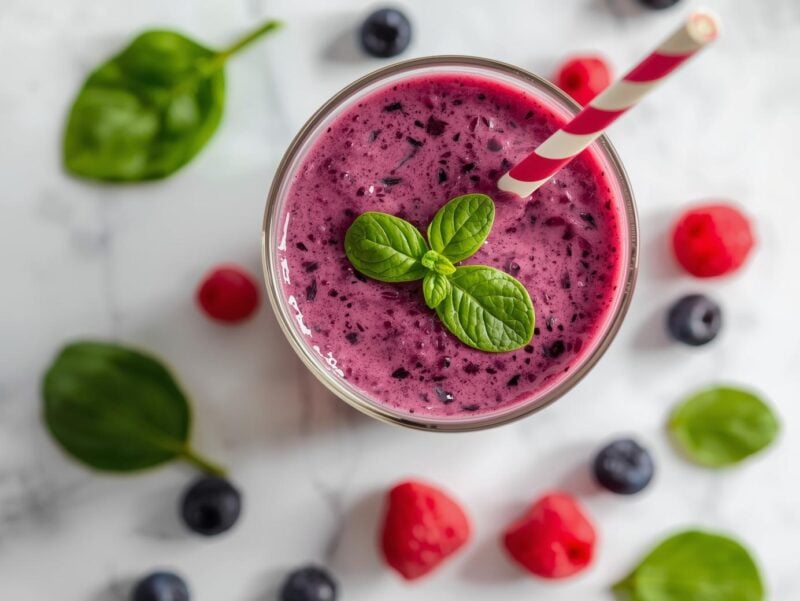
This berry and spinach smoothie has become my breakfast staple, especially on busy mornings when I need something quick yet nutritious.
Berries are among the most potent anti-inflammatory foods, packed with antioxidants and polyphenols.
The addition of spinach provides a wealth of nutrients without affecting the taste, while the chia seeds add omega-3 fatty acids and fiber.
I find that starting my day with this smoothie gives me sustained energy and helps keep inflammation at bay.
Therefore, it’s perfect for those mornings when I’m feeling a bit stiff or achy.
| Ingredient | Quantity | Anti-inflammatory Benefit |
| Mixed berries (blueberries, strawberries, blackberries) | 1 cup | Rich in anthocyanins and antioxidants |
| Fresh spinach | 1 cup | Contains antioxidants and vitamin K |
| Chia seeds | 1 tablespoon | Excellent source of omega-3 fatty acids |
| Greek yogurt, plain | 1/2 cup | Contains probiotics for gut health |
| Almond milk, unsweetened | 1 cup | Low in inflammatory sugars |
| Ground turmeric | 1/4 teaspoon | Contains curcumin |
| Ground cinnamon | 1/4 teaspoon | Contains anti-inflammatory compounds |
| Honey (optional) | 1 teaspoon | Contains antioxidants and has antimicrobial properties |
Instructions:
Simply place all ingredients in a blender, starting with the liquid (almond milk) at the bottom to help the blending process.
Blend on high speed until smooth and creamy, about 30-60 seconds depending on your blender.
If the smoothie is too thick, add a little more almond milk; if it’s too thin, add more berries or a few ice cubes.
Pour into a glass and enjoy immediately. For an extra anti-inflammatory boost, I sometimes add a small piece of fresh ginger or a tablespoon of flaxseed oil.
This smoothie is also great for post-workout recovery due to its combination of protein, carbohydrates, and anti-inflammatory compounds.
Nonetheless, if you’re sensitive to oxalates, you might want to substitute the spinach with kale or reduce the amount.
5. Grilled Chicken with Avocado Salsa
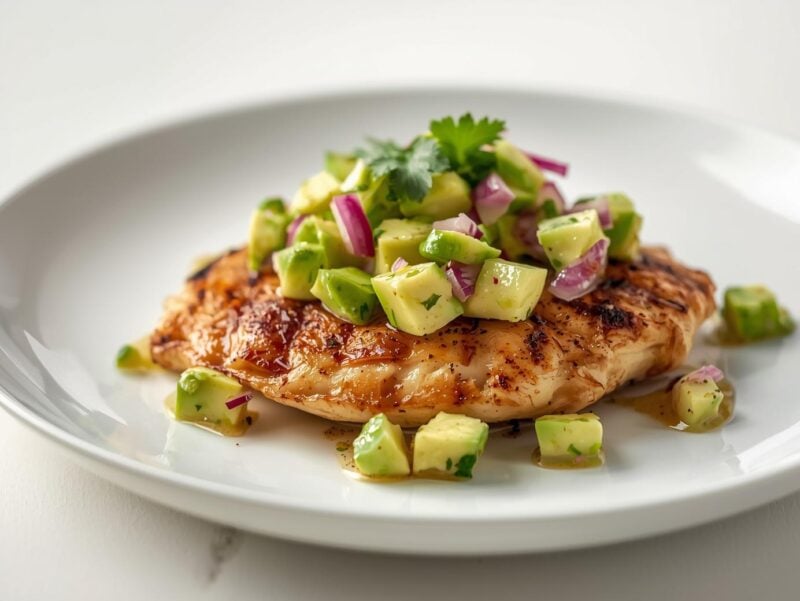
This grilled chicken with avocado salsa is my go-to dinner when I want something satisfying yet light.
The lean protein from the chicken keeps me full, while the avocado provides healthy fats that are essential for fighting inflammation.
I particularly love how the fresh herbs and lime juice in the salsa brighten up the dish.
However, what makes this meal truly anti-inflammatory is the combination of avocado’s monounsaturated fats and the antioxidant-rich herbs and spices used to season the chicken.
| Ingredient | Quantity | Anti-inflammatory Benefit |
| Chicken breasts, boneless, skinless | 2 (6 oz each) | Lean protein source |
| Avocado, diced | 1 ripe | Rich in monounsaturated fats and antioxidants |
| Cherry tomatoes, quartered | 1 cup | Contains lycopene and vitamin C |
| Red onion, finely diced | 1/4 cup | Contains quercetin |
| Fresh cilantro, chopped | 1/4 cup | Contains antioxidants and essential oils |
| Lime juice | 2 tablespoons | High in vitamin C |
| Extra virgin olive oil | 2 tablespoons | Contains oleocanthal and polyphenols |
| Ground turmeric | 1/2 teaspoon | Contains curcumin |
| Ground cumin | 1/2 teaspoon | Has antioxidant properties |
| Garlic powder | 1/2 teaspoon | Contains allicin |
Instructions:
First, prepare the chicken by placing the breasts between two sheets of plastic wrap and gently pounding them to an even thickness of about 1/2 inch.
This helps them cook evenly.
In a small bowl, mix 1 tablespoon of olive oil with the turmeric, cumin, garlic powder, and a pinch of salt and pepper.
Rub this mixture all over the chicken breasts and let them marinate for at least 15 minutes, or up to 24 hours in the refrigerator for more flavor.
While the chicken is marinating, prepare the avocado salsa by combining the diced avocado, cherry tomatoes, red onion, and cilantro in a bowl.
Drizzle with the lime juice and the remaining tablespoon of olive oil, then season with salt and pepper to taste.
Gently toss to combine, being careful not to mash the avocado. Preheat your grill or grill pan to medium-high heat.
Grill the chicken for about 5-6 minutes per side, or until the internal temperature reaches 165°F (74°C). Let the chicken rest for 5 minutes before slicing.
Serve the grilled chicken topped with the fresh avocado salsa.
This dish pairs wonderfully with a side of quinoa or a simple green salad for a complete meal.
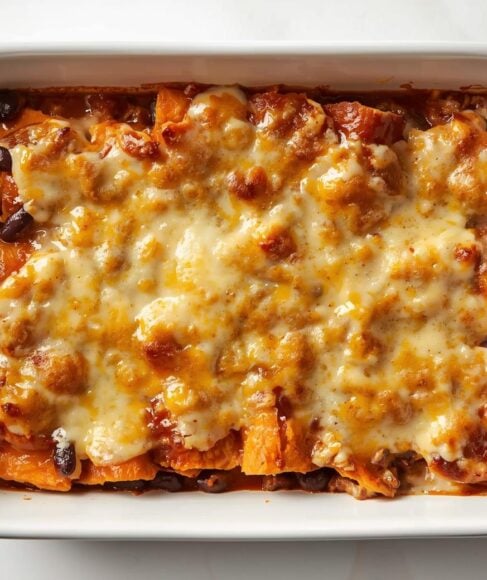
6. Sweet Potato and Black Bean Tacos
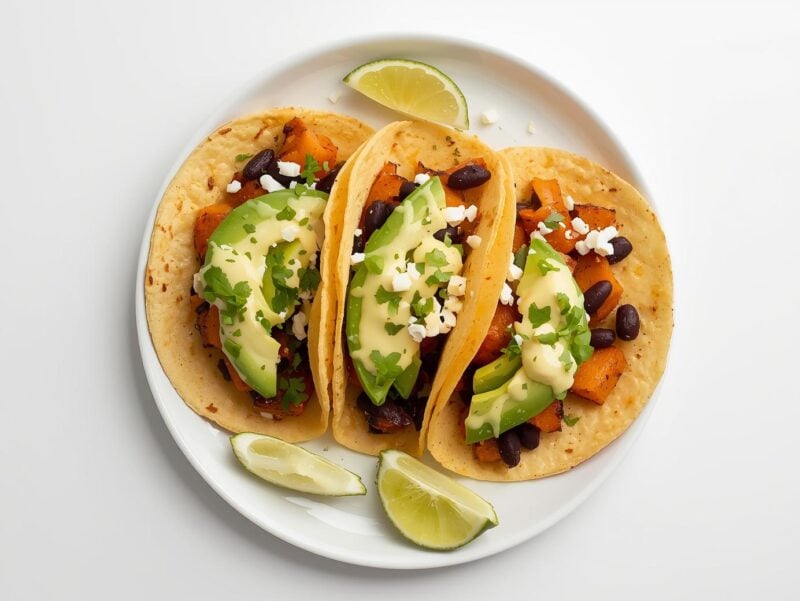
These sweet potato and black bean tacos have become a family favorite in my household.
They’re not only delicious but also packed with anti-inflammatory ingredients.
Sweet potatoes are rich in beta-carotene and anthocyanins, while black beans provide fiber and plant-based protein.
The combination of these ingredients with anti-inflammatory spices creates a satisfying meal that’s perfect for Meatless Monday or any day of the week.
I am particularly fond of how colorful and vibrant these tacos are they truly eat with your eyes first!
| Ingredient | Quantity | Anti-inflammatory Benefit |
| Sweet potatoes, cubed | 2 medium | Rich in beta-carotene and anthocyanins |
| Black beans, cooked | 1 can (15 oz), drained and rinsed | High in fiber and plant protein |
| Corn tortillas | 8 small | Whole grain option with fiber |
| Avocado, sliced | 1 ripe | Rich in monounsaturated fats |
| Red cabbage, shredded | 1 cup | Contains anthocyanins and vitamin C |
| Ground cumin | 1 teaspoon | Has antioxidant properties |
| Smoked paprika | 1/2 teaspoon | Contains capsaicin |
| Ground turmeric | 1/2 teaspoon | Contains curcumin |
| Extra virgin olive oil | 2 tablespoons | Contains oleocanthal |
| Lime juice | 2 tablespoons | High in vitamin C |
| Fresh cilantro, chopped | 1/4 cup | Contains antioxidants |
Instructions:
Preheat your oven to 425°F (220°C). Toss the cubed sweet potatoes with 1 tablespoon of olive oil, cumin, smoked paprika, turmeric, and a pinch of salt.
Spread them on a baking sheet in a single layer and roast for 25-30 minutes, stirring halfway through, until they’re tender and slightly caramelized.
While the sweet potatoes are roasting, warm the black beans in a small saucepan over medium-low heat.
You can add a pinch of the same spices to the beans for extra flavor.
In a small bowl, mix the remaining tablespoon of olive oil with the lime juice to make a simple dressing for the cabbage. Toss the shredded red cabbage with this dressing and set aside.
Warm the corn tortillas either in the oven wrapped in foil for the last 5 minutes of the sweet potato roasting time, or individually in a dry skillet for about 30 seconds per side.
To assemble the tacos, place a spoonful of black beans on each tortilla, top with roasted sweet potatoes, dressed red cabbage, avocado slices, and a sprinkle of fresh cilantro.
Serve with lime wedges on the side.
These tacos are not only anti-inflammatory but also gluten-free if you ensure your corn tortillas are certified gluten-free.
7. Anti-Inflammatory Buddha Bowl
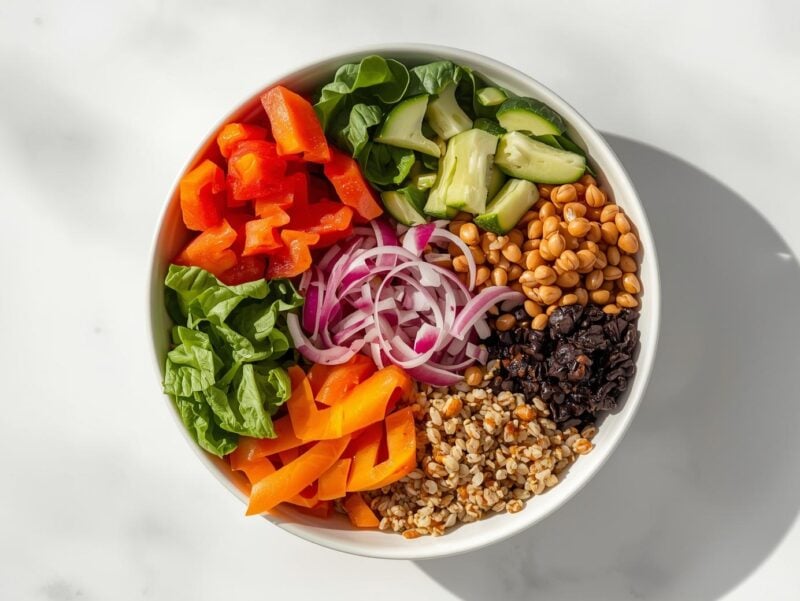
The anti-inflammatory Buddha bowl is one of my favorite ways to pack multiple inflammation-fighting foods into one delicious meal.
What I love about Buddha bowls is their versatility you can customize them based on what you have available or what’s in season.
This particular combination focuses on colorful vegetables, whole grains, and plant-based proteins, all of which contribute to reducing inflammation.
I find that eating a variety of colors ensures I’m getting a wide range of antioxidants and phytonutrients.
Therefore, this bowl is not only anti-inflammatory but also visually appealing!
| Ingredient | Quantity | Anti-inflammatory Benefit |
| Quinoa, cooked | 1/2 cup | Contains quercetin and fiber |
| Sweet potato, roasted | 1/2 cup, cubed | Rich in beta-carotene |
| Chickpeas, roasted | 1/2 cup | High in fiber and plant protein |
| Avocado, sliced | 1/4 | Contains healthy fats |
| Broccoli, steamed | 1/2 cup | Contains sulforaphane |
| Purple cabbage, shredded | 1/2 cup | Rich in anthocyanins |
| Spinach, fresh | 1 cup | Contains antioxidants |
| Pumpkin seeds | 2 tablespoons | Rich in zinc and magnesium |
| Tahini | 2 tablespoons | Contains healthy fats and minerals |
| Lemon juice | 1 tablespoon | High in vitamin C |
| Ground turmeric | 1/4 teaspoon | Contains curcumin |
| Extra virgin olive oil | 1 tablespoon | Contains oleocanthal |
Instructions:
Start by preparing all your components.
Cook the quinoa according to package instructions, adding a pinch of turmeric to the cooking water for an anti-inflammatory boost.
Roast the sweet potato cubes at 400°F (200°C) for about 20-25 minutes until tender.
For the chickpeas, drain and rinse them, then pat dry.
Toss with a little olive oil, salt, and spices of your choice (I like cumin and paprika), then roast at 400°F (200°C) for about 20 minutes until crispy.
Steam the broccoli until tender-crisp, about 5 minutes.
For the dressing, whisk together the tahini, lemon juice, olive oil, a small clove of minced garlic, and a pinch of salt and pepper. Add water as needed to reach your desired consistency.
To assemble your bowl, start with a base of fresh spinach, then arrange the quinoa, sweet potato, chickpeas, broccoli, and purple cabbage in sections around the bowl.
Top with sliced avocado and pumpkin seeds.
Drizzle with the tahini dressing just before eating.
This bowl is not only anti-inflammatory but also provides a complete protein when you combine the quinoa and chickpeas.
Also, feel free to substitute any ingredients based on what you have available the key is to include a variety of colors and textures.
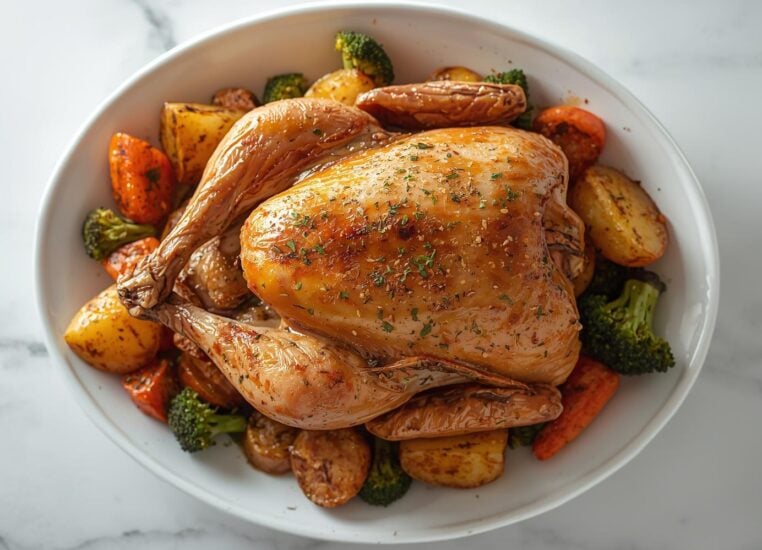
8. Garlic Herb Roasted Chicken
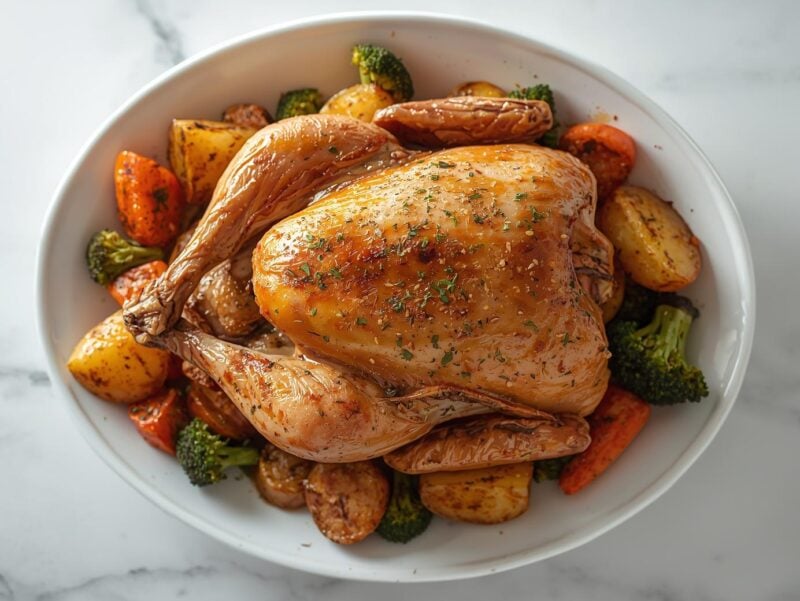
This garlic herb roasted chicken is my go-to comfort food that also happens to be packed with anti-inflammatory ingredients.
The combination of garlic, herbs, and olive oil creates a flavorful dish that’s both satisfying and beneficial for reducing inflammation.
I particularly love how the vegetables roast alongside the chicken, absorbing all the delicious flavors while providing additional anti-inflammatory benefits.
However, what makes this dish truly special is the abundance of garlic, which contains allicin a compound with powerful anti-inflammatory properties.
| Ingredient | Quantity | Anti-inflammatory Benefit |
| Whole chicken | 1 (about 4-5 lbs) | Protein source |
| Garlic cloves | 8, minced (plus 1 whole head) | Contains allicin |
| Fresh rosemary | 2 tablespoons, chopped | Contains antioxidants and essential oils |
| Fresh thyme | 2 tablespoons, chopped | Contains thymol with anti-inflammatory properties |
| Lemon | 1, zested and quartered | High in vitamin C |
| Extra virgin olive oil | 3 tablespoons | Contains oleocanthal |
| Carrots | 4, chopped | Rich in beta-carotene |
| Onions | 2, quartered | Contains quercetin |
| Brussels sprouts | 2 cups, halved | Contains sulforaphane |
| Black pepper, freshly ground | 1 teaspoon | Contains piperine, enhances turmeric absorption |
Instructions:
Preheat your oven to 425°F (220°C). Pat the chicken dry with paper towels, which helps achieve crispy skin.
In a small bowl, mix the minced garlic, chopped rosemary, thyme, lemon zest, 2 tablespoons of olive oil, salt, and pepper to create a herb paste.
Gently loosen the skin of the chicken breast and thighs, then rub about half of the herb paste underneath the skin. Rub the remaining paste all over the outside of the chicken.
Cut the top off the head of garlic to expose the cloves, drizzle with a little olive oil, and place it inside the chicken cavity along with the quartered lemon.
Tie the legs together with kitchen twine and tuck the wing tips under the body. Place the chicken in a large roasting pan.
Toss the carrots, onions, and Brussels sprouts with the remaining tablespoon of olive oil, salt, and pepper.
Arrange the vegetables around the chicken in the roasting pan.
Roast for about 1 hour and 15 minutes, or until the internal temperature of the thickest part of the thigh reaches 165°F (74°C) and the juices run clear.
Baste the chicken with the pan juices every 30 minutes and toss the vegetables to ensure even cooking. Once done, let the chicken rest for 15 minutes before carving.
Serve with the roasted vegetables and squeeze the roasted garlic cloves over the meat or spread on bread for an extra anti-inflammatory boost.
This meal is perfect for Sunday dinner and provides leftovers that can be used in salads or sandwiches throughout the week.
9. Omega-3 Rich Chia Pudding
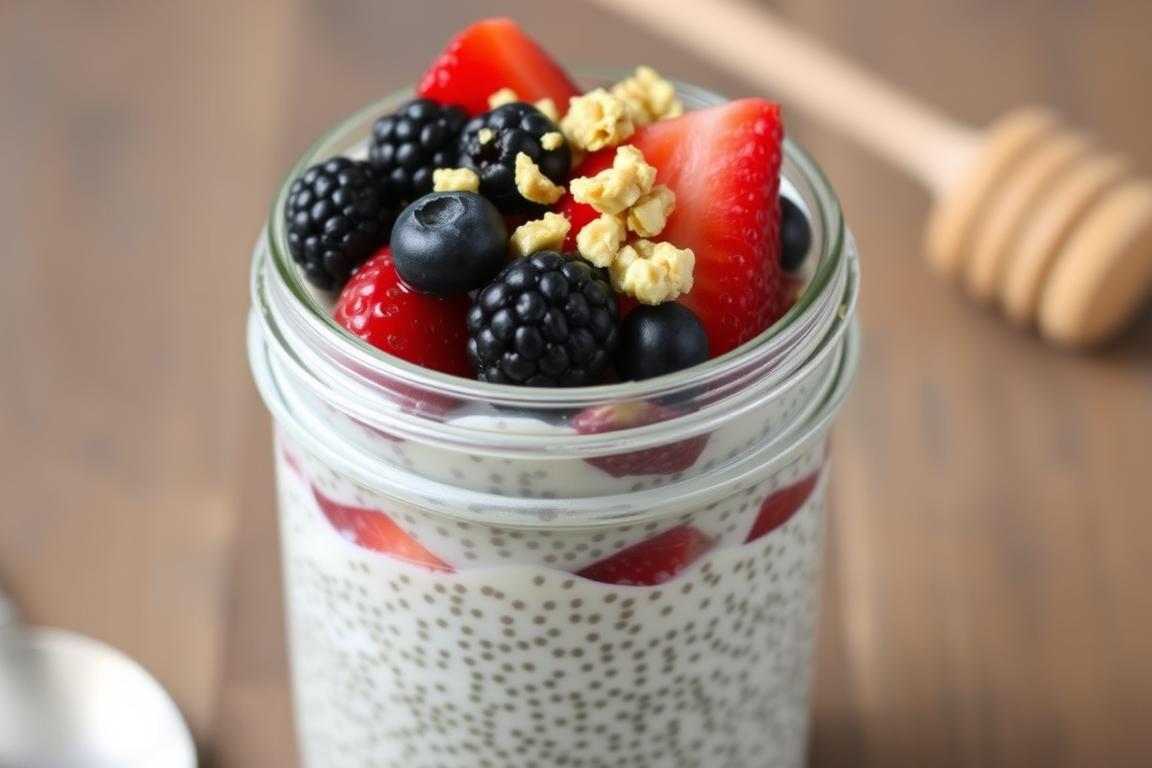
This omega-3 rich chia pudding has become my favorite make-ahead breakfast or snack.
Chia seeds are one of the best plant sources of omega-3 fatty acids, which are known for their powerful anti-inflammatory properties.
I love how versatile this pudding is you can top it with different fruits, nuts, and spices to keep it interesting.
What makes this recipe particularly beneficial for fighting inflammation is the combination of chia seeds, berries, and walnuts, all of which contain different anti-inflammatory compounds.
Therefore, it’s not only delicious but also a nutritional powerhouse!
| Ingredient | Quantity | Anti-inflammatory Benefit |
| Chia seeds | 1/4 cup | Rich in omega-3 fatty acids |
| Almond milk, unsweetened | 1 cup | Low in inflammatory sugars |
| Mixed berries (blueberries, strawberries, blackberries) | 1/2 cup | Rich in anthocyanins and antioxidants |
| Walnuts, chopped | 2 tablespoons | Excellent source of omega-3 fatty acids |
| Ground cinnamon | 1/4 teaspoon | Contains anti-inflammatory compounds |
| Vanilla extract | 1/4 teaspoon | Adds flavor without sugar |
| Honey or maple syrup (optional) | 1 teaspoon | Natural sweetener with antioxidants |
Instructions:
In a bowl or jar, combine the chia seeds, almond milk, vanilla extract, and cinnamon. Stir well to ensure the chia seeds don’t clump together.
Let the mixture sit for 5 minutes, then stir again to break up any clumps.
Cover and refrigerate for at least 4 hours, or preferably overnight, to allow the chia seeds to absorb the liquid and create a pudding-like consistency.
When ready to serve, give the pudding a good stir.
If it’s too thick, add a splash more almond milk; if it’s too thin, add a few more chia seeds and let it sit for another 10 minutes.
Top the pudding with mixed berries and chopped walnuts.
Drizzle with a small amount of honey or maple syrup if desired, although the natural sweetness of the berries is often enough.
This pudding can be stored in the refrigerator for up to 5 days, making it perfect for meal prep.
For variety, try different milk alternatives like coconut milk or oat milk, and experiment with toppings such as sliced banana, hemp seeds, or a sprinkle of ground flaxseed for even more omega-3s.
Also, I sometimes add a tablespoon of unsweetened cocoa powder to the base mixture for a chocolate version that’s still anti-inflammatory.
10. Mediterranean Stuffed Peppers
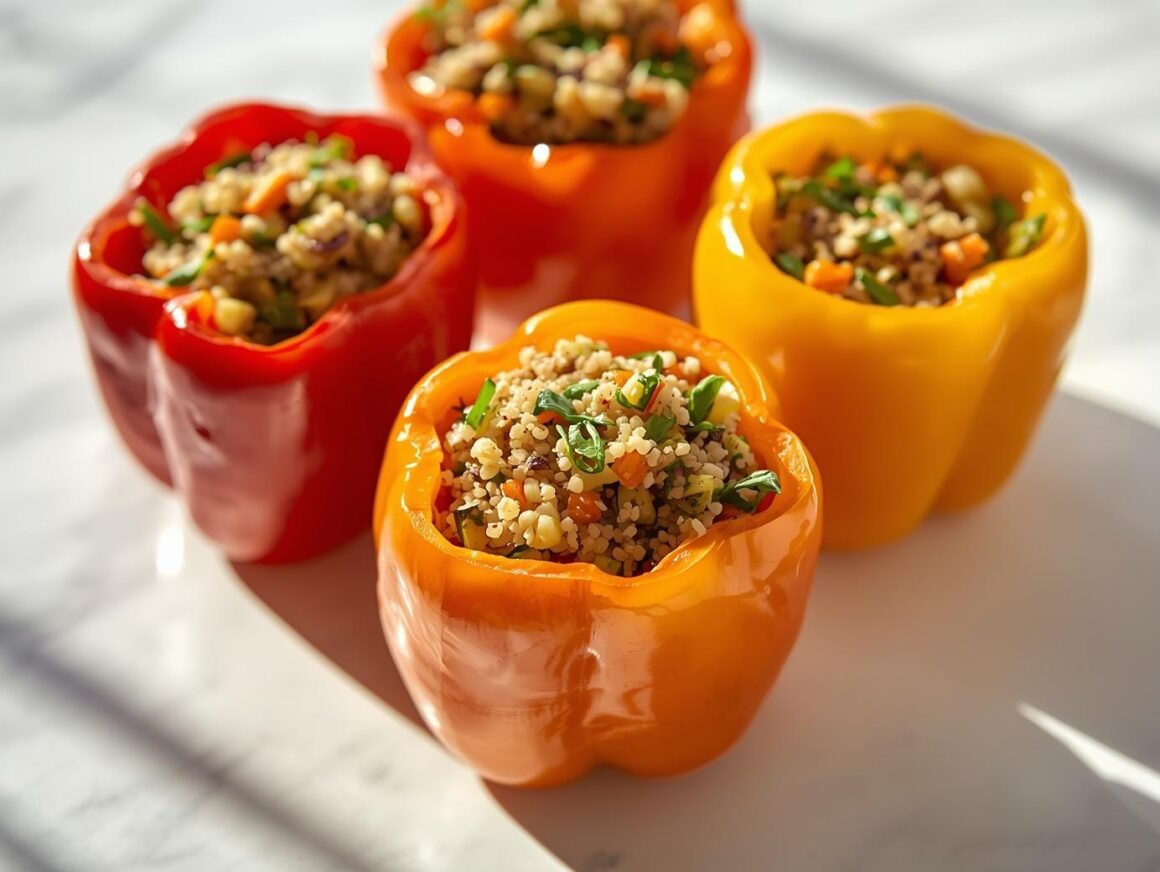
These Mediterranean stuffed peppers have become a staple in my anti-inflammatory meal rotation.
Bell peppers are rich in vitamin C and antioxidants, while the quinoa and vegetables provide fiber and additional anti-inflammatory compounds.
What I particularly love about this dish is how it incorporates multiple components of the Mediterranean diet, which is widely recognized for its anti-inflammatory benefits.
The combination of olive oil, tomatoes, herbs, and whole grains creates a delicious and satisfying meal that helps combat inflammation.
I am always impressed by how such a simple dish can be so flavorful and nutritious!
| Ingredient | Quantity | Anti-inflammatory Benefit |
| Bell peppers, any color | 4 large | Rich in vitamin C and antioxidants |
| Quinoa, uncooked | 1 cup | Contains quercetin and fiber |
| Vegetable broth | 2 cups | Provides flavor without added salt |
| Cherry tomatoes, halved | 1 cup | Contains lycopene |
| Spinach, chopped | 2 cups | Rich in antioxidants |
| Red onion, diced | 1/2 cup | Contains quercetin |
| Kalamata olives, pitted and chopped | 1/4 cup | Contains healthy fats |
| Feta cheese, crumbled (optional) | 1/4 cup | Source of protein and calcium |
| Fresh parsley, chopped | 1/4 cup | Contains antioxidants |
| Fresh mint, chopped | 2 tablespoons | Contains essential oils with anti-inflammatory properties |
| Extra virgin olive oil | 2 tablespoons | Contains oleocanthal |
| Lemon juice | 2 tablespoons | High in vitamin C |
| Garlic, minced | 2 cloves | Contains allicin |
Instructions:
Preheat your oven to 375°F (190°C). Start by preparing the quinoa.
Rinse it thoroughly under cold water, then cook it in the vegetable broth according to package instructions, usually about 15-20 minutes until the liquid is absorbed and the quinoa is fluffy.
While the quinoa is cooking, prepare the bell peppers by cutting them in half lengthwise and removing the seeds and membranes.
Place the pepper halves cut-side up in a baking dish. In a large bowl, combine the cooked quinoa, cherry tomatoes, chopped spinach, diced red onion, chopped olives, minced garlic, chopped parsley, and mint. Add the olive oil and lemon juice, then season with salt and pepper to taste.
Gently mix everything together. Spoon the quinoa mixture into the pepper halves, packing it in lightly.
If using feta cheese, sprinkle it on top of the stuffed peppers.
Pour about 1/4 cup of water into the bottom of the baking dish to help steam the peppers.
Cover the dish with foil and bake for 30 minutes.
Remove the foil and bake for an additional 15 minutes until the peppers are tender and the tops are lightly browned.
Garnish with additional fresh herbs before serving.
These stuffed peppers can be made ahead and reheated, making them perfect for meal prep.
They also freeze well just thaw and reheat in the oven when ready to eat.
For a protein boost, you can add cooked lentils or chickpeas to the filling.
11. Anti-Inflammatory Green Soup
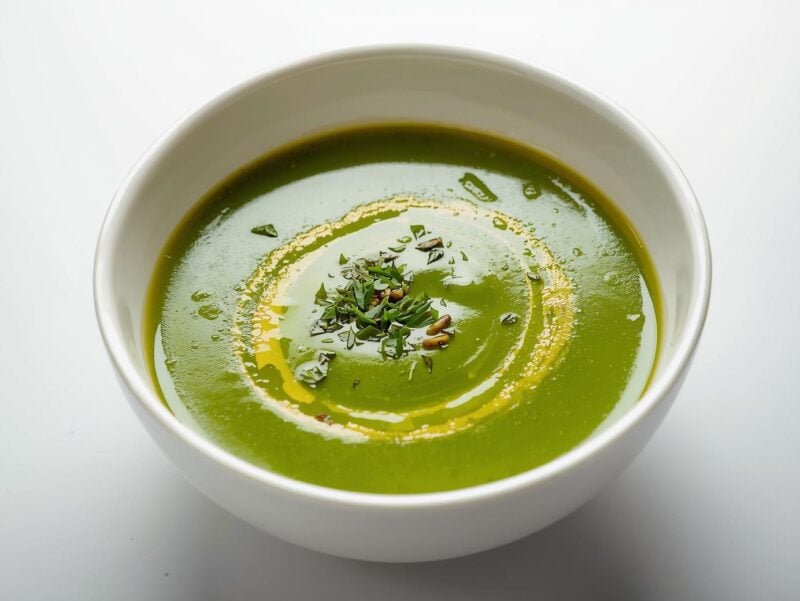
This anti-inflammatory green soup has been my saving grace during cold and flu season.
It’s packed with leafy greens, herbs, and anti-inflammatory spices that help boost the immune system and reduce inflammation.
I particularly love how soothing and nourishing this soup feels when I’m not feeling my best.
However, it’s not just for sick days it’s a delicious way to incorporate more greens into your diet any time of year.
The combination of spinach, kale, and herbs provides a wealth of antioxidants and anti-inflammatory compounds that help fight chronic inflammation.
| Ingredient | Quantity | Anti-inflammatory Benefit |
| Spinach | 4 cups | Rich in antioxidants and vitamin K |
| Kale, stems removed | 2 cups | Contains quercetin and kaempferol |
| Broccoli florets | 1 cup | Contains sulforaphane |
| Leek, white and light green parts | 1, chopped | Contains kaempferol |
| Garlic cloves | 3, minced | Contains allicin |
| Fresh ginger, grated | 1 tablespoon | Contains gingerol |
| Fresh parsley | 1/2 cup | Contains antioxidants |
| Fresh cilantro | 1/4 cup | Contains antioxidants |
| Vegetable broth | 4 cups | Base for nutrients |
| Avocado | 1 ripe | Contains healthy fats |
| Lemon juice | 2 tablespoons | High in vitamin C |
| Extra virgin olive oil | 2 tablespoons | Contains oleocanthal |
| Ground turmeric | 1/2 teaspoon | Contains curcumin |
| Pumpkin seeds, for garnish | 2 tablespoons | Rich in zinc and magnesium |
Instructions:
In a large pot, heat 1 tablespoon of olive oil over medium heat.
Add the chopped leek and cook until softened, about 5 minutes. Add the minced garlic and grated ginger, cooking for another minute until fragrant.
Stir in the ground turmeric and a pinch of black pepper (which helps with turmeric absorption).
Add the broccoli florets and vegetable broth to the pot. Bring to a simmer and cook for about 5 minutes until the broccoli starts to soften.
Add the spinach and kale in batches, stirring until wilted. Simmer for another 5 minutes until all the vegetables are tender.
Remove from heat and add the fresh parsley and cilantro.
Using an immersion blender, blend the soup until smooth. Alternatively, carefully transfer the soup to a blender in batches.
Add the avocado and lemon juice, then blend again until creamy and smooth. Return the soup to the pot if needed and warm gently.
Season with salt and pepper to taste.
Serve the soup hot, drizzled with the remaining tablespoon of olive oil and garnished with pumpkin seeds. This soup is not only anti-inflammatory but also incredibly nutrient-dense.
The healthy fats from the avocado and olive oil help your body absorb the fat-soluble vitamins from the greens.
For a heartier meal, you can add white beans or serve with a slice of whole grain bread.
Nonetheless, the soup is quite filling on its own due to the fiber content and the addition of avocado.
12. Spicy Turmeric Lentil Stew
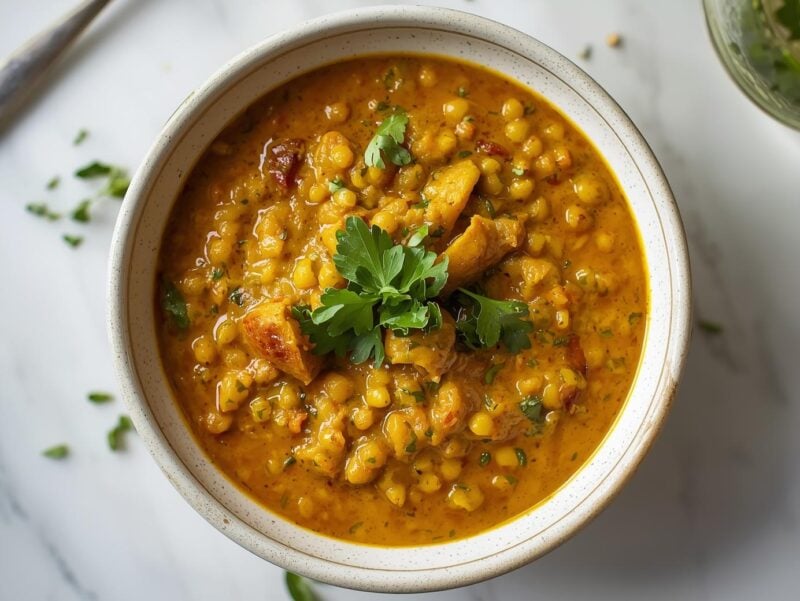
This spicy turmeric lentil stew is the ultimate comfort food with powerful anti-inflammatory benefits.
The star ingredient, turmeric, contains curcumin one of the most potent natural anti-inflammatory compounds available.
Combined with protein-rich lentils, a variety of vegetables, and warming spices, this stew is both satisfying and medicinal.
I find myself making this recipe whenever the weather turns cold or when I’m feeling run down.
Therefore, it’s become my go-to remedy for fighting inflammation while also providing a hearty, delicious meal.
| Ingredient | Quantity | Anti-inflammatory Benefit |
| lentils, dry | 1 cup | High in fiber and plant protein |
| Onion, diced | 1 large | Contains quercetin |
| Carrots, diced | 2 medium | Rich in beta-carotene |
| Celery, diced | 2 stalks | Contains antioxidants |
| Garlic cloves, minced | 4 | Contains allicin |
| Fresh ginger, grated | 1 tablespoon | Contains gingerol |
| Ground turmeric | 2 teaspoons | Contains curcumin |
| Ground cumin | 1 teaspoon | Has antioxidant properties |
| Cayenne pepper | 1/4 teaspoon (adjust to taste) | Contains capsaicin |
| Diced tomatoes | 1 can (14.5 oz) | Contains lycopene |
| Vegetable broth | 4 cups | Base for nutrients |
| Coconut milk | 1/2 cup | Contains medium-chain triglycerides |
| Spinach, fresh | 2 cups | Rich in antioxidants |
| Lemon juice | 2 tablespoons | High in vitamin C |
| Fresh cilantro, chopped | 1/4 cup | Contains antioxidants |
| Extra virgin olive oil | 2 tablespoons | Contains oleocanthal |
Instructions:
Begin by rinsing the red lentils thoroughly under cold water until the water runs clear. In a large pot or Dutch oven, heat the olive oil over medium heat.
Add the diced onion, carrots, and celery, cooking until softened, about 5-7 minutes. Add the minced garlic and grated ginger, cooking for another minute until fragrant.
Stir in the ground turmeric, cumin, and cayenne pepper, toasting the spices for about 30 seconds to release their flavors. Add the rinsed lentils, diced tomatoes with their juice, and vegetable broth to the pot.
Bring to a boil, then reduce heat and simmer, partially covered, for about 25-30 minutes until the lentils are tender and beginning to break down.
Stir occasionally to prevent sticking. Once the lentils are cooked, stir in the coconut milk and fresh spinach, cooking until the spinach is wilted, about 2-3 minutes.
Remove from heat and stir in the lemon juice. Taste and adjust seasoning with salt and pepper as needed.
Serve the stew hot, garnished with fresh cilantro. This stew thickens as it sits, so you may need to add a little more broth when reheating leftovers.
The combination of turmeric and black pepper is particularly effective for fighting inflammation, as the piperine in black pepper enhances the absorption of curcumin.
Also, I sometimes add a dollop of plain Greek yogurt on top for a creamy, cooling contrast to the spiciness.
Conclusion
After incorporating these 12 anti-inflammatory meal ideas into my routine, I’ve noticed significant improvements in how I feel less joint pain, better digestion, and more energy throughout the day.
What I love most about these recipes is that they prove healthy eating doesn’t have to be bland or boring.
Instead, these meals are vibrant, flavorful, and satisfying while helping to reduce inflammation naturally.
The key to success with anti-inflammatory eating is consistency and variety.
By rotating through these recipes and incorporating a wide range of colorful fruits, vegetables, healthy fats, and spices, you’ll be providing your body with the diverse nutrients it needs to fight inflammation effectively.
Remember that small changes add up over time, so even incorporating just a few of these meals into your weekly rotation can make a difference.
I hope these 12 anti-inflammatory meal ideas inspire you to explore the delicious possibilities of anti-inflammatory eating.
Your body will thank you for the nourishment, and your taste buds will be delighted by the flavors. Here’s to your health and wellbeing!